Ukraine Calls for UN Security Council Meeting Amid Russian Attacks on Black Sea Shipping
Ukraine accuses Russia of economic and humanitarian terror targeting Black Sea trade routes, raising concerns over global food security.
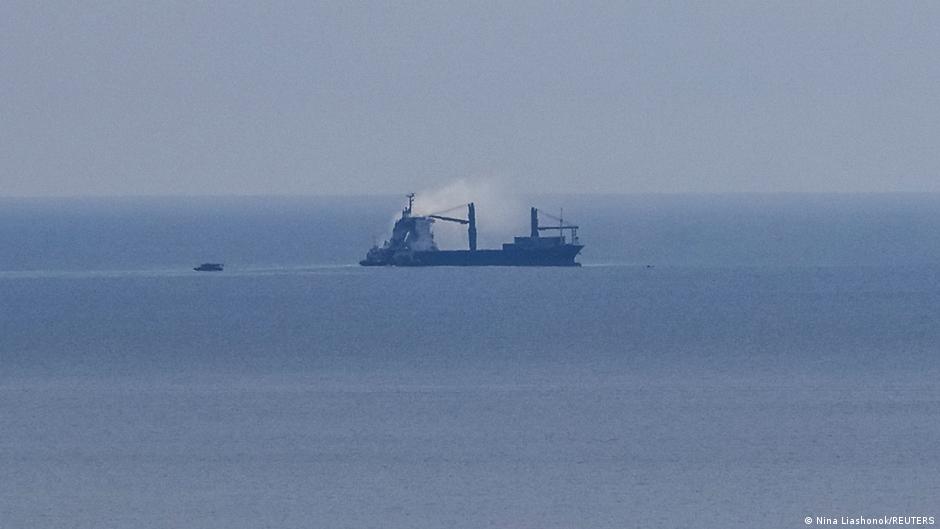
Amid escalating tensions in the Black Sea, Ukraine has formally requested an emergency meeting of the United Nations Security Council to address recent Russian attacks on civilian commercial vessels. The move highlights the growing geopolitical and economic risks impacting global trade and food security.
Strategic Implications of Russian Attacks on Black Sea Shipping
Ukraine’s Foreign Minister, Andriy Sybiha, described Russia's actions as "economic and humanitarian terror" in a series of statements on July 22. By targeting civilian merchant ships navigating the Black Sea, Russia threatens critical trade arteries that underpin both regional economies and global commodity markets, particularly food exports.
"If this terror continues, millions of families in Africa, Asia, the Middle East, and Latin America may face rising prices and hunger," Sybiha warned.
Ukraine's request for a Security Council session, scheduled for July 27, reflects concerns that disruptions in Black Sea maritime traffic could exacerbate existing shortages and price volatility in international food markets. Ukraine is a major exporter of grain and agricultural products; restrictions or attacks on its maritime export routes pose serious risks to global supply chains.
Despite these threats, Ukrainian authorities maintain that key ports remain operational. The Ministry for Restoration, Infrastructure, and Transport confirmed that the Black Sea port of Chornomorsk, part of the larger Greater Odessa port complex, continues normal operations, supporting export activities and international contracts. Still, on July 22, no vessels passed through Ukraine’s maritime corridor, underscoring the precariousness of the situation.
Russian accusations claim Ukraine has used civilian cargo ships as cover to transport defensive weaponry, a claim Ukraine denies. Meanwhile, Ukrainian drone forces report striking 126 vessels of the so-called "shadow fleet" in the Sea of Azov and 70 in the Black Sea between July 6 and July 22, indicating active maritime conflict.
Diplomatic Engagements and Defense Cooperation
Sybiha’s diplomacy extends beyond the UN appeal. On July 22, he held a telephone conversation with German Foreign Minister Johann Wadephul, discussing the rapidly evolving Black Sea security landscape. Both officials agreed to coordinate efforts aimed at restoring freedom of navigation, enhancing maritime security, and delivering a decisive international response to Russian aggression.
Furthermore, their dialogue covered bolstering Ukraine’s air defense systems, expanding bilateral cooperation in the defense industry, and joint initiatives to strengthen Ukraine’s recovery capacity and broader European security frameworks.
Sybiha also spoke with Estonian Foreign Minister Margus Tsahkna the same day, echoing similar themes of security and cooperation.
These high-level talks underscore the strategic importance Western partners place on supporting Ukraine’s sovereignty and securing critical trade routes against Russian maritime threats.
Overall, the situation in the Black Sea remains a focal point for international diplomatic and military attention, with significant implications for global trade, regional security, and the international food supply chain.