Ukraine's Security Service Reports Strategic Strikes on Over 100 Russian Targets in 40-Day Campaign
Ukraine’s Security Service executed a 40-day operation targeting Russia’s military and energy infrastructure to pressure Moscow toward peace.
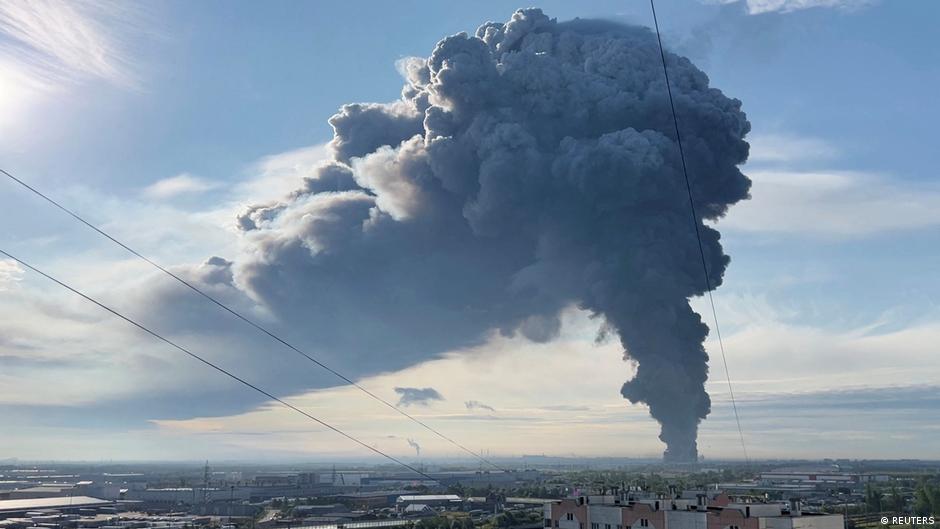
The Security Service of Ukraine (SBU) has reported a 40-day military campaign striking over 100 strategic targets across Russian territory and occupied Ukrainian regions. The operation, approved by President Volodymyr Zelensky on June 25, aimed to compel Russia to cease hostilities by significantly degrading its military and economic capabilities.
Targeting Russia’s Military and Energy Assets
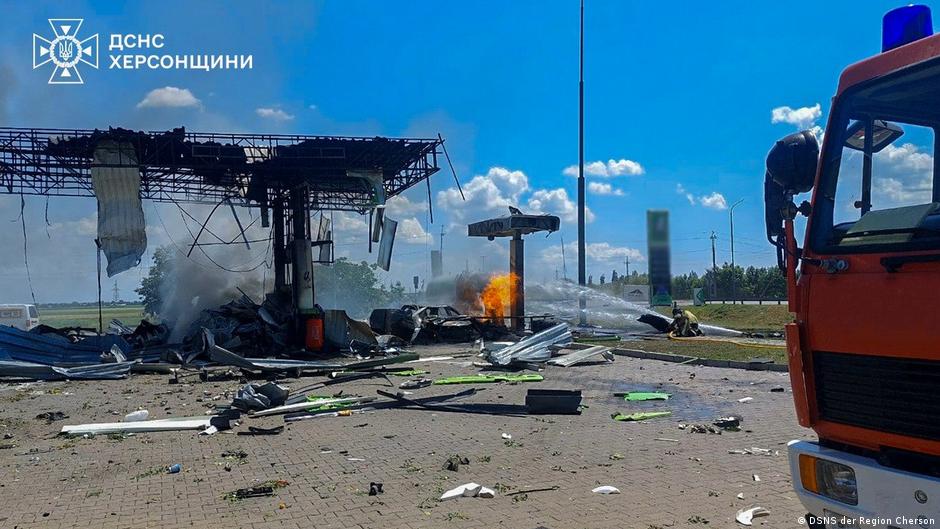
The SBU’s offensive reportedly damaged more than 21,000 units of military hardware, weapons, and infrastructure, resulting in approximately 5,000 Russian military casualties. Key targets included defense industry enterprises, air bases, air defense systems, command centers, Russian Navy vessels, and shadow fleet tankers. Additionally, the operation focused on transport and military logistics facilities critical to Russia’s war effort.
One of the campaign’s strategic objectives was a concerted assault on Russia’s fuel and energy infrastructure. Over the 40 days, the SBU targeted 14 oil refineries, numerous oil depots, tank farms, pumping stations, oil terminals, and an offshore oil platform. Several tankers and cargo ships, including vessels under international sanctions such as Blue, Louise 1, Banda, and Avero, were also hit.
“The 40-day campaign aimed at simultaneously weakening the key components of the Russian military machine,” the SBU stated. “Efforts to diminish Russia's military-economic potential will continue.”
Strategic Implications for Corporate and Defense Leadership
From a business and strategic perspective, the operation underscores Ukraine’s shift toward leveraging asymmetrical strikes to disrupt Russia’s supply chains and defense production capabilities. For Russian defense and energy corporations, these attacks signal heightened operational risks, potential asset losses, and increased pressure from evolving geopolitical dynamics.
Executives and board members within Russia’s military-industrial complex are likely to face significant challenges in safeguarding critical infrastructure and sustaining production under persistent threat. Concurrently, the international sanctions regime targeting Russian energy exports further compounds financial and logistical constraints.
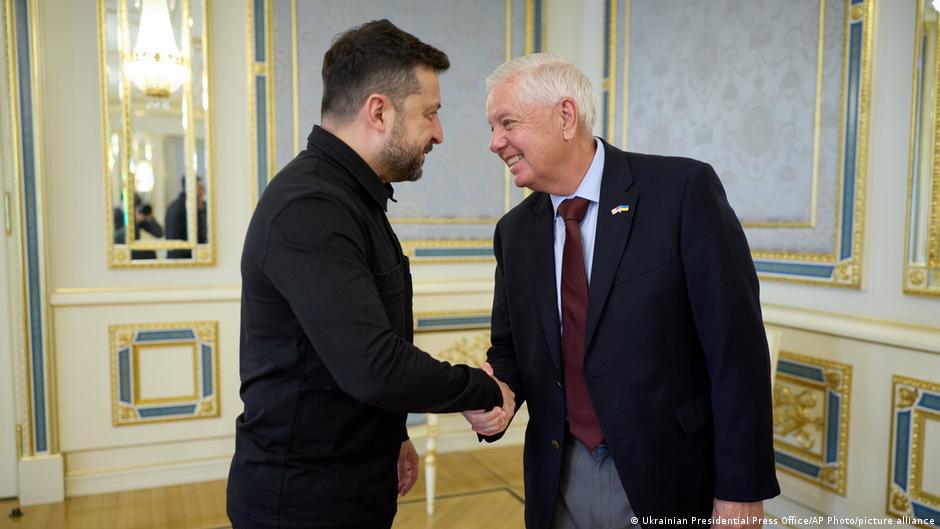
President Zelensky has coordinated directly with acting SBU chief Major General Oleksandr Poklad to authorize ongoing operations, signaling a sustained commitment to this strategic pressure campaign. This approach seeks not only military but economic leverage to compel a resolution in the conflict.
As Ukraine intensifies its efforts, global stakeholders in defense, energy, and logistics sectors must monitor these developments closely to assess long-term implications for regional security and market stability.