US Military Strikes Iran in Retaliation for Downed Apache Helicopter over Strait of Hormuz
US forces launched targeted strikes on Iranian air defense and radar sites following Tehran’s downing of an Apache helicopter, escalating regional tensions.
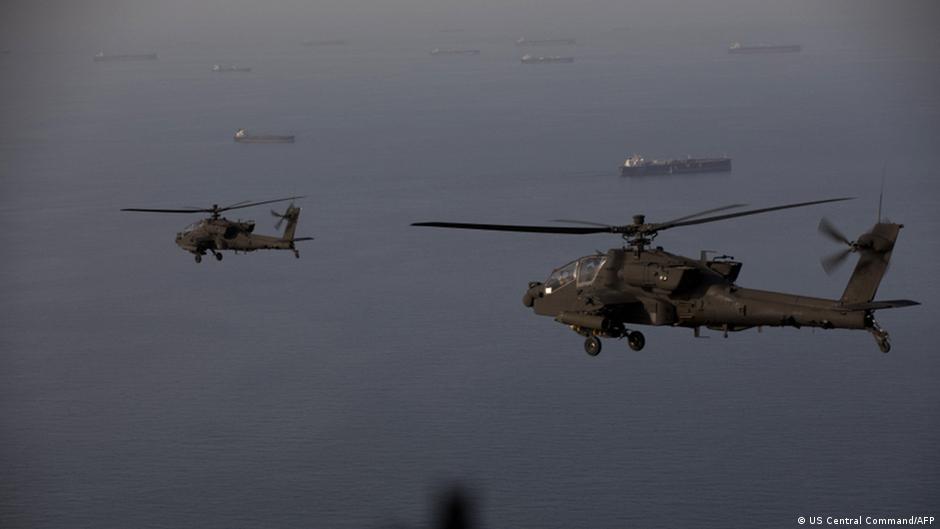
On June 9, 2024, the United States military resumed offensive operations against Iranian targets in response to the recent downing of a US Apache attack helicopter over the Strait of Hormuz. The Central Command (CENTCOM) described the strikes as a "proportional response to unjustified Iranian aggression," marking a significant escalation in the ongoing regional confrontation.
Strategic Military Response and Regional Impact
The US strikes targeted multiple Iranian air defense systems and radar stations located near the Strait of Hormuz, a critical chokepoint for global oil shipments. American intelligence sources reported that the helicopter was downed after a collision with an Iranian drone, although it remains unclear whether the incident was deliberate. Both US pilots survived and are reportedly safe.
Following the attacks, Iranian state-linked media outlets reported explosions along the southern coast of Iran near the Strait, with audible blasts in cities such as Sirik, Minab, and on Qeshm Island. The Iranian Foreign Minister, Abbas Araghchi, issued a stern warning to the United States, emphasizing that Iran's military would respond decisively to any aggression.
"Our powerful armed forces will not leave any attack or threat unanswered. Leave our region if you want to be safe," Araghchi stated on social media.
Later, Iran's Islamic Revolutionary Guard Corps (IRGC) claimed to have launched missile and drone strikes targeting US positions in the region, underscoring the risk of further escalation.
Executive Decisions and Geopolitical Calculus
President Donald Trump publicly defended the military response as necessary and proportionate, emphasizing the strength of the countermeasures. In interviews, Trump indicated that the strikes were intended to send a clear message about US resolve, asserting that the response was "very strong, very powerful." Prior to the strikes, Trump had warned of retaliation for the helicopter incident, highlighting the strategic importance of maintaining US operational freedom in the Strait of Hormuz.
Despite the rising tensions, President Trump also expressed optimism about ongoing diplomatic efforts with Tehran. In statements preceding the military action, he suggested that a favorable peace agreement with Iran was within reach, potentially to be finalized within days. This juxtaposition reflects a complex balancing act between exerting military pressure and pursuing negotiated solutions.
Boardroom and Corporate Strategy Implications
The renewed military confrontation in the Gulf region carries significant implications for American businesses, particularly those in energy, shipping, and defense sectors. The Strait of Hormuz is a crucial artery for global oil trade; disruptions or escalations risk triggering volatility in energy markets and supply chains.
Executives in multinational corporations must monitor evolving geopolitical risks, assessing potential impacts on commodity prices, logistics, and regulatory environments. Defense contractors may see increased demand for surveillance and unmanned systems as regional conflicts highlight the importance of advanced military technologies. Additionally, firms with regional operations must evaluate security protocols and contingency plans amid heightened hostilities.
Strategic decision-makers will need to weigh the ramifications of US foreign policy shifts and military engagements on global markets and corporate risk profiles. The interplay between diplomatic negotiations and military actions in this context underscores the importance of agile leadership and comprehensive scenario planning.