U.S. Secretly Assisted Around 70 Ships Through Tense Strait of Hormuz in Recent Weeks
CENTCOM provided covert support for commercial vessels navigating the Iran-blockaded Strait of Hormuz amid heightened geopolitical tensions.
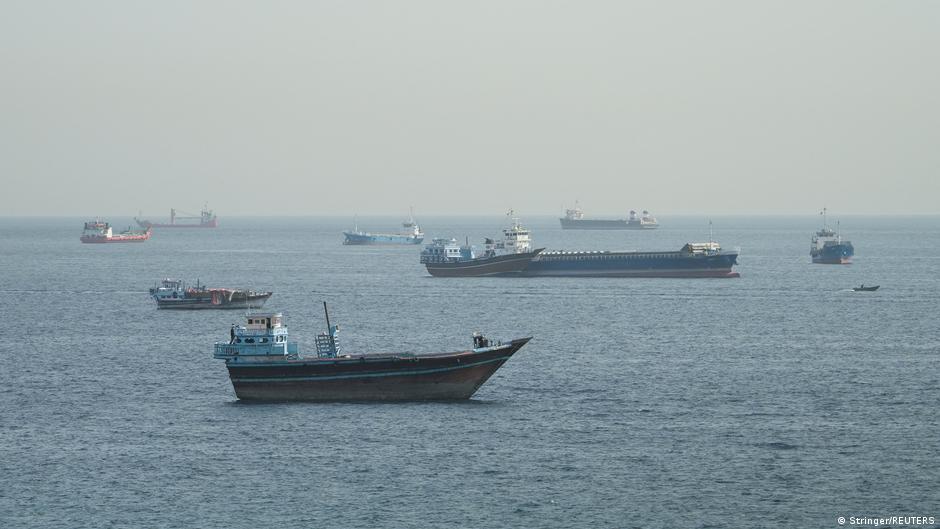
In the past three weeks, the United States Central Command (CENTCOM) has covertly assisted approximately 70 commercial ships in traversing the Strait of Hormuz, a vital waterway currently blockaded by Iran. This strategic maneuver aims to ensure the flow of maritime commerce despite escalating regional tensions and risks of military confrontation.
Operational Support Amidst a Fraught Geopolitical Environment
According to anonymous sources familiar with the operations, the majority of these vessels navigated the strait with their transponders turned off, likely to avoid detection and potential attacks. Specific details regarding the timing and routes of these passages remain undisclosed, but at least one documented operation occurred well offshore, away from Iran's coast, to mitigate the risk of Iranian strikes, which are considered "almost guaranteed" if vessels attempt passage along the coastline without Tehran's permission.
"The covert assistance reflects a calculated balance of maintaining commercial shipping flow while avoiding direct military engagement with Iran," said a U.S. official.
This covert assistance contrasts sharply with pre-conflict maritime activity through the Strait of Hormuz. Prior to the outbreak of hostilities between Washington and Tehran on February 28, more than 100 commercial vessels transited the strait daily. Currently, CENTCOM data indicate that only about three ships pass daily with U.S. support.
Although the existence of U.S. aid to ships in the Strait of Hormuz is understood within maritime circles, U.S. authorities deliberately limit public acknowledgment to avoid provoking Iranian attacks on vessels receiving assistance.
Earlier this month, President Donald Trump paused an announced operation called "Project Freedom," which was intended to publicly facilitate ship passages through the strait. Subsequently, CENTCOM has continued to encourage commercial traffic through the waterway but without providing overt naval escorts, maintaining a lower profile approach.
Shipping Patterns and Regional Ramifications
Despite the covert U.S. support, a majority of vessels still opt to coordinate their passage with Iranian authorities. Data from Kpler, a maritime analytics firm, show that between March 1 and May 19, out of 895 transits through the strait, just over half followed routes agreed upon with Iran. Approximately 40% of ship movements took place via "unknown" or "dark" routes, involving disabled transponders.
The blockade of the Strait of Hormuz has been in effect since April, with Iran demanding that shipowners obtain passage approval, while the U.S. prohibits tankers from docking at Iranian ports. This standoff continues to disrupt global oil supply routes and elevate geopolitical risks in the region.
Recent reports suggest that negotiators from both countries have tentatively reached a framework agreement aimed at resolving the ongoing conflict. However, President Trump has not yet endorsed any deal, reportedly conditioning support on Iran's commitment to abandon nuclear weapons development. Iran’s leadership has stated that a final settlement with the U.S. has yet to be achieved.
These developments underscore the complexities faced by corporate executives and board members in shipping, energy, and related sectors, as they navigate operational risks, geopolitical uncertainties, and regulatory constraints tied to the Strait of Hormuz. Strategic decisions regarding route planning, risk management, and stakeholder communications must now incorporate these covert support mechanisms and evolving diplomatic dynamics.