US to Reduce NATO Combat Aircraft and Naval Assets Amid Strategic Pivot to Indo-Pacific
Washington plans substantial cuts to fighter jets, warships, and other military resources supplied to NATO in Europe, signaling a strategic shift.
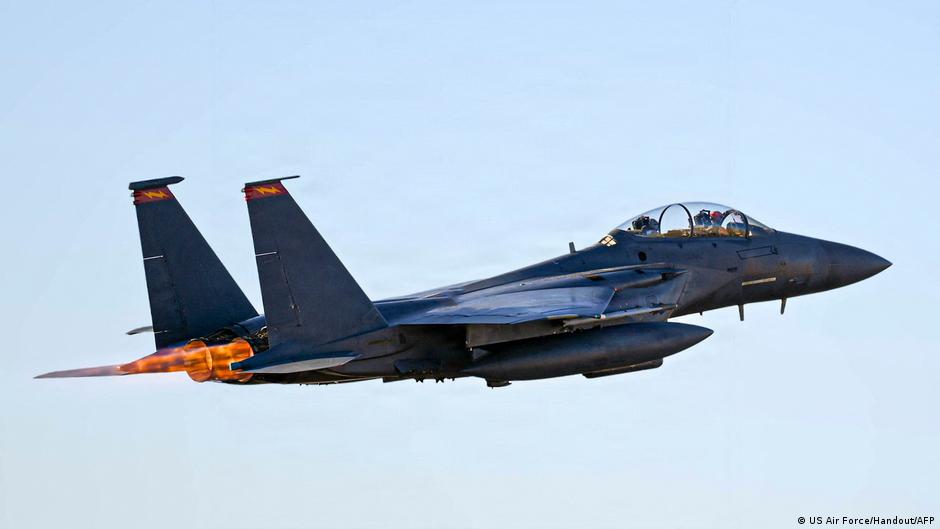
According to reports from European officials cited by The New York Times, the United States intends to significantly reduce the number of combat aircraft and naval vessels it supplies to NATO operations in Europe. The move represents a major realignment of American defense priorities, with a clear focus on the Indo-Pacific region.
The planned reduction will see US fighter jets, including F-16s and F-15Es, cut by about one-third—from approximately 150 down to around 100 aircraft. Additionally, the number of naval reconnaissance aircraft is expected to decline from 26 to 15. This downsizing extends beyond aircraft; all eight aerial refueling tankers currently stationed in Europe are to be withdrawn, alongside the repositioning of a missile submarine, an aircraft carrier, multiple warships, and dozens of aircraft associated with carrier operations.
Implications for NATO's Operational Capacity and Burden Sharing
European partners were formally notified of these plans in early June through a written document, parts of which have been reviewed by journalists. Officials warn that this decision will "limit NATO's ability to conduct long-range strikes and surveillance," raising concerns about the alliance's operational readiness and reach.
"This decision will limit NATO's ability to deliver long-range strikes and conduct surveillance," the report stated.
The drawdown is reportedly set to begin imminently, earlier than many European allies had anticipated. German media outlet Die Welt had earlier reported on June 4 that the US provided NATO with a classified list of 11 items detailing a substantial reduction of American military presence in Europe, particularly affecting aviation and naval forces. This reduction aligns with a broader US strategic pivot toward the Pacific theater.
On May 26, Der Spiegel reported that a Pentagon representative at NATO headquarters informed senior officials from allied countries about the forthcoming cuts. The United States plans to decrease its provision of critical military assets, including fighters, ships, drones, tankers, and strategic bombers. Historically, the US has contributed roughly half of NATO's military capabilities under the burden-sharing framework.
In preparation for the upcoming Force Sourcing Conference scheduled for June, Washington is soliciting proposals from European nations on how they might compensate for the reduced American contributions in various operational domains. This approach underscores a potential shift toward greater European responsibility for the alliance's defense posture.
Moreover, on May 19, the Pentagon announced the withdrawal of one of four US combat brigade groups stationed in Europe. This move will reduce the number of American troops in the region to levels last seen in 2021. Combat brigade groups, fundamental tactical units capable of independent operations, typically consist of 4,000 to 5,000 soldiers depending on their composition. Recent US troop presence in Europe has hovered around 100,000 personnel, with approximately 65,000 permanently stationed and the remainder on rotational deployments.
The US military repositioning conveys a strategic recalibration, emphasizing the growing importance of the Indo-Pacific region in American defense planning while posing challenges for NATO's cohesion and European security commitments.