Washington Thunderstorm Forces Cancellation of Independence Day 250th Anniversary Events
Severe weather conditions led to the abrupt halt of key July 4 celebrations in Washington, impacting planned presidential appearances and city event strategies.
Storm Disrupts Key Celebrations in Washington
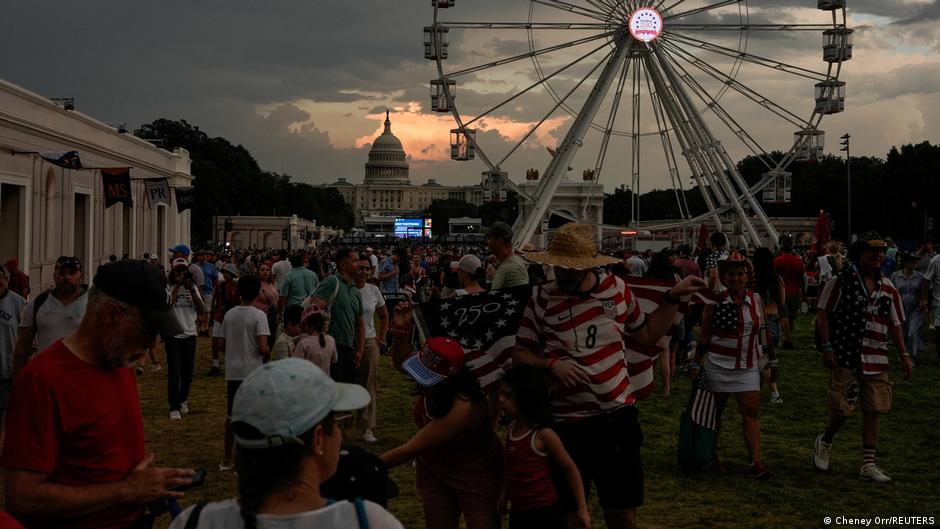
On July 4, 2026, Washington authorities were compelled to cancel major events commemorating the 250th anniversary of American independence due to an imminent thunderstorm. The decision came just hours before President Donald Trump was scheduled to deliver a keynote speech, underscoring the challenges extreme weather poses for high-profile public events and executive communications.
The city’s emergency response teams acted swiftly to ensure public safety, ordering attendees to evacuate the National Mall and seek refuge in nearby museums and government buildings. Despite these precautions, some guests resisted leaving, hoping to catch the president’s appearance. Law enforcement personnel had to intervene to clear the area, highlighting the complexities of crowd management in such scenarios.
"Today is a Saturday night! Let's have fun, even if we have to stay late," President Trump urged supporters via his social platform Truth Social, pledging to speak after the storm passes.
Implications for Executive and Event Strategy
The cancellation follows the earlier decision by Washington’s city officials to call off the annual Independence Day parade due to extreme heat exceeding 46 degrees Celsius (115 degrees Fahrenheit). These consecutive weather-related disruptions raise important considerations for executive decision-making and event management strategies in the face of climate volatility.
From a corporate and governmental perspective, the ability to swiftly pivot and communicate alternative plans is paramount. President Trump’s prompt messaging on Truth Social exemplifies an adaptive communication approach intended to maintain engagement and manage public expectations despite unforeseen interruptions.
However, the situation also exposes the potential reputational and operational risks when large-scale events are vulnerable to environmental factors. For businesses and public institutions, there is an increasing imperative to incorporate robust contingency protocols and real-time audience management tactics that prioritize safety without compromising stakeholder engagement.
The difficult balance between preserving tradition and responding to extreme weather underscores the evolving challenges faced by executives and event planners globally. As climate anomalies become more frequent, organizational resilience and strategic agility will be critical in safeguarding both public welfare and institutional credibility.
Washington’s experience this Independence Day serves as a case study in the necessity of integrating environmental risk assessments into event frameworks and executive decision-making processes.