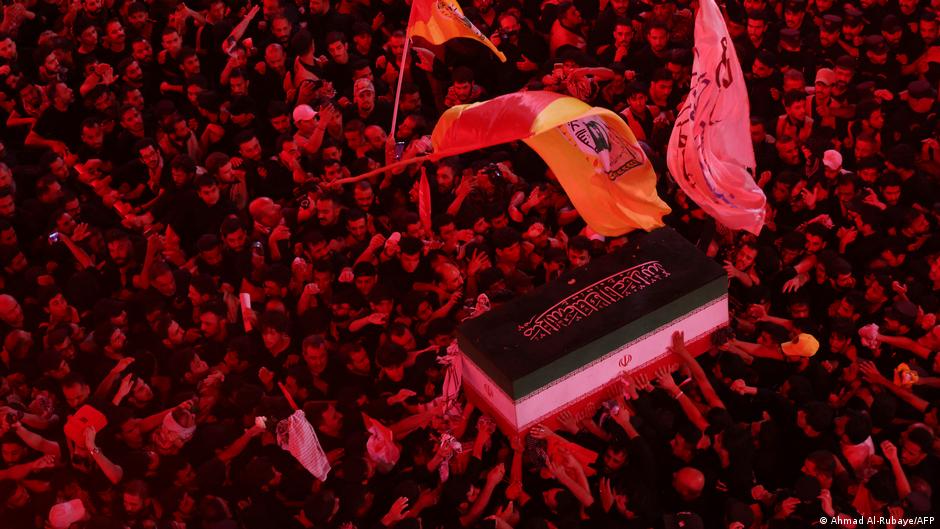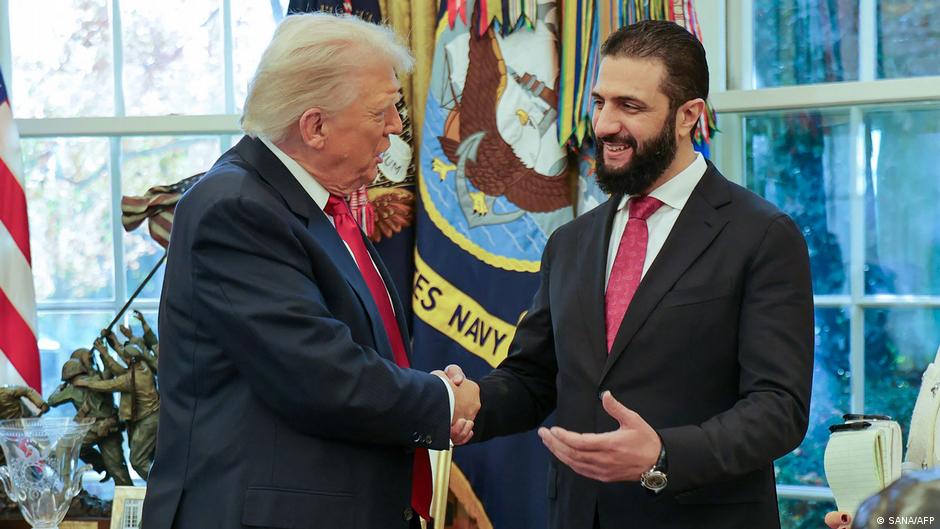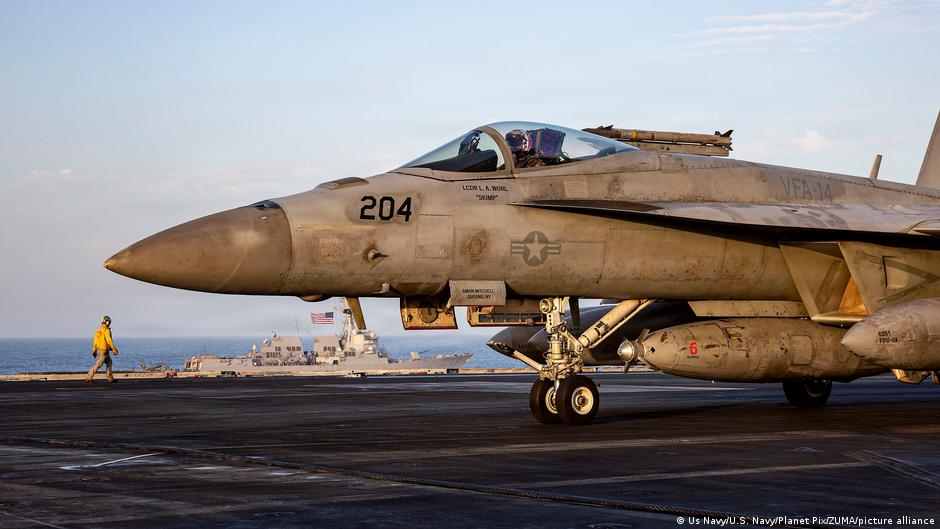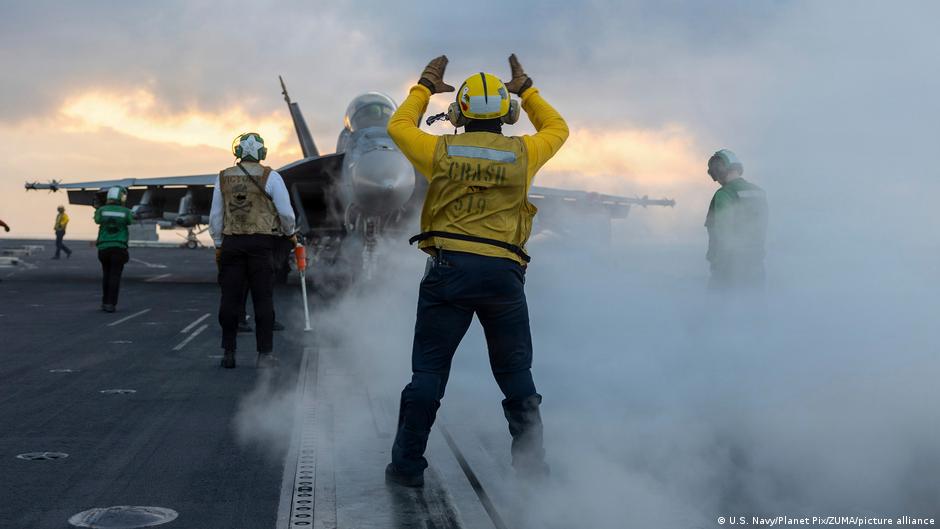
Israeli Airstrikes on Iran Escalate Amidst US-Iran Peace Negotiations
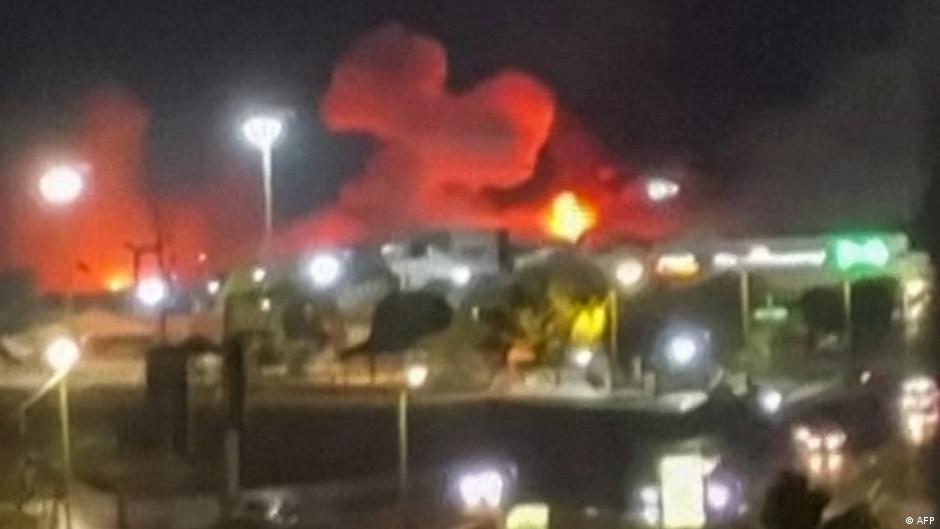
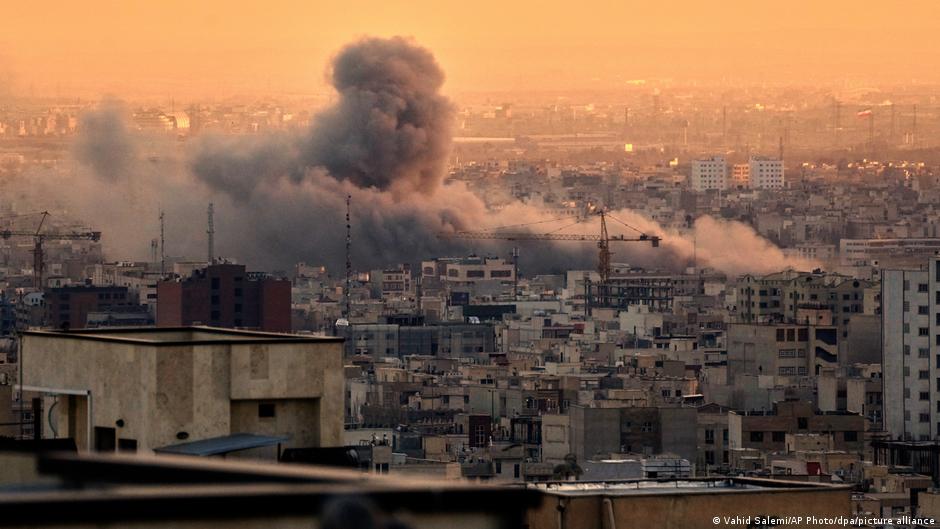
Israel's airstrikes on Iran escalate tensions amid US-led efforts to negotiate a peace deal, posing strategic challenges for businesses tied to the Middle East.

Israel's airstrikes on Iran escalate tensions amid US-led efforts to negotiate a peace deal, posing strategic challenges for businesses tied to the Middle East.

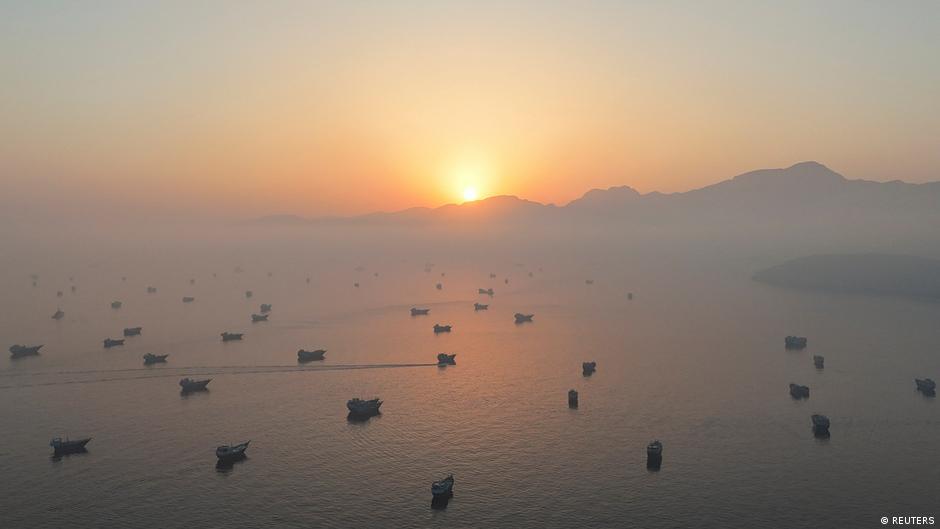
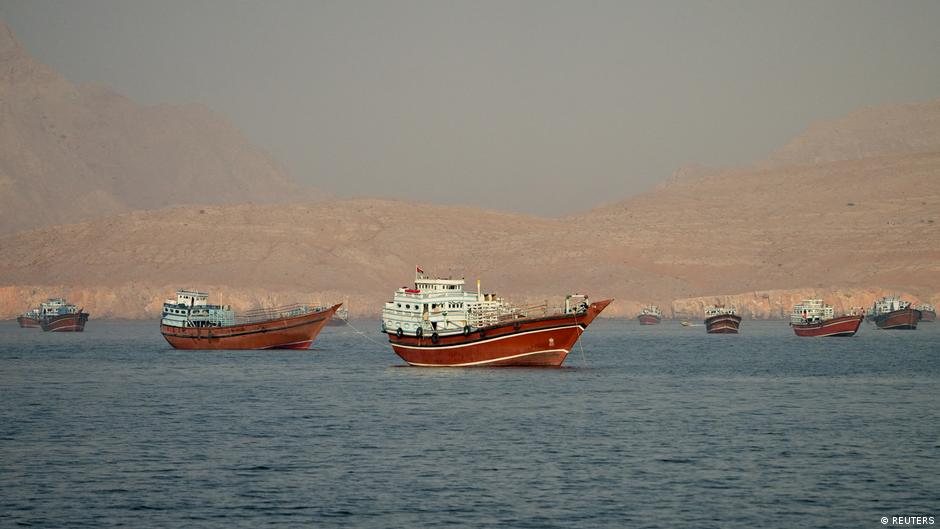
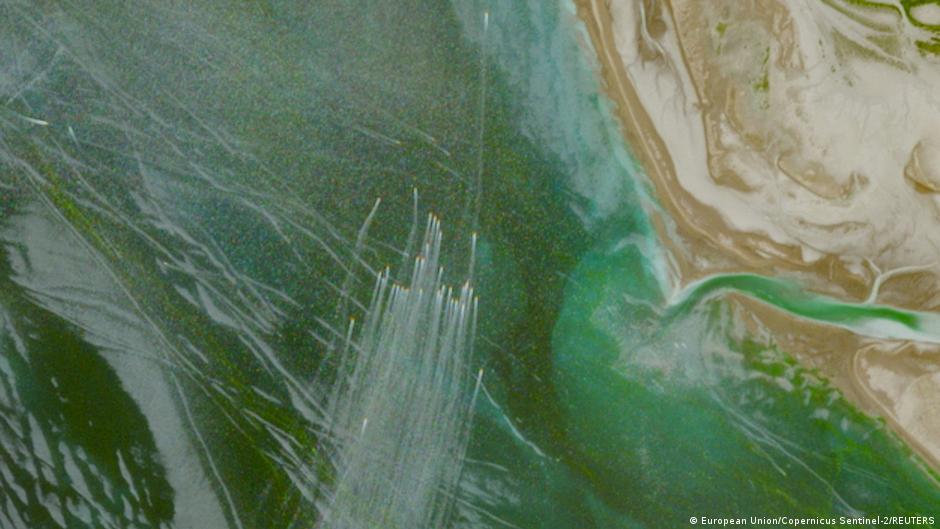
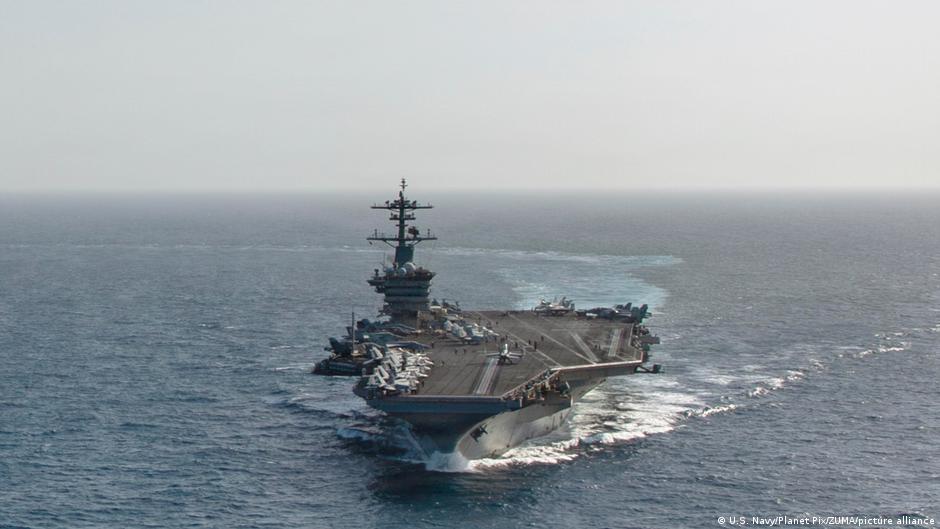
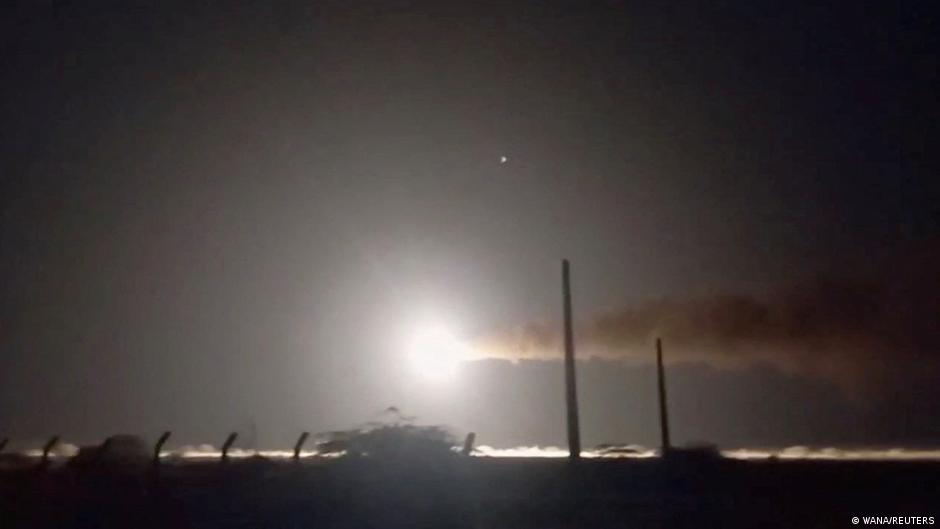
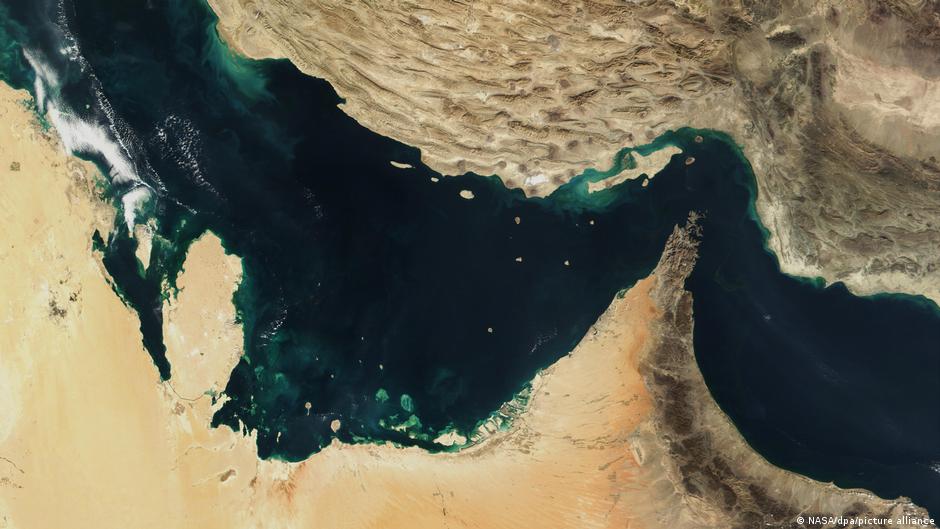
US forces shot down four Iranian drones threatening the Strait of Hormuz and struck Iranian radar stations, underscoring escalating regional tensions affecting global energy routes.

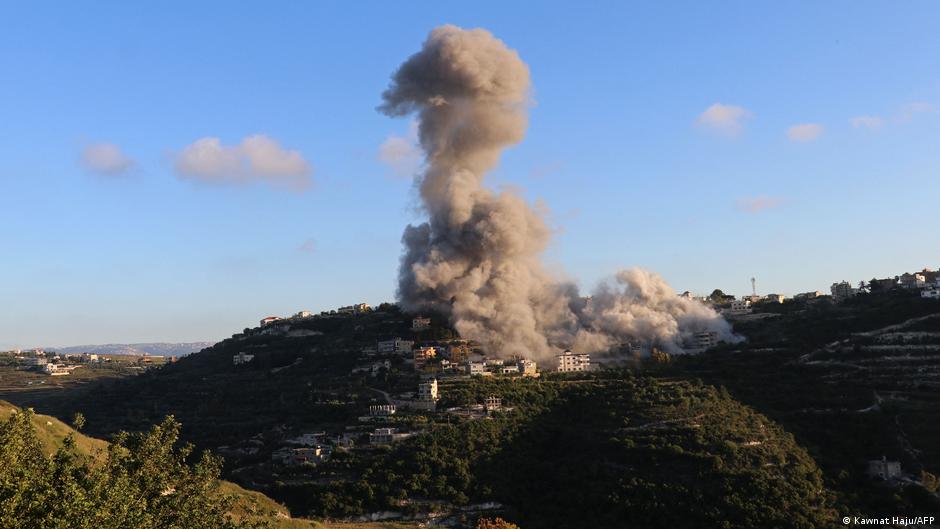
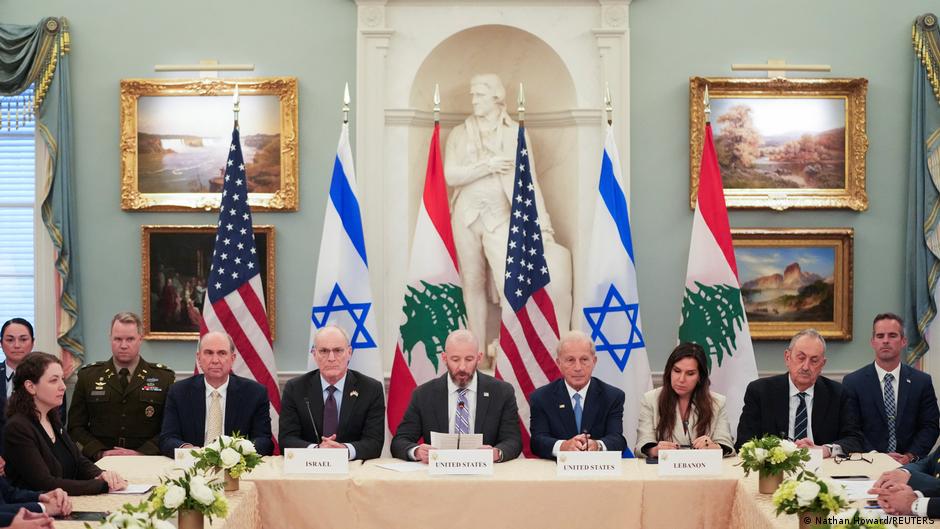
The US brokered a ceasefire between Israel and Lebanon, requiring Hezbollah’s disarmament and withdrawal, providing a critical pause in regional conflict with business and geopolitical implications.
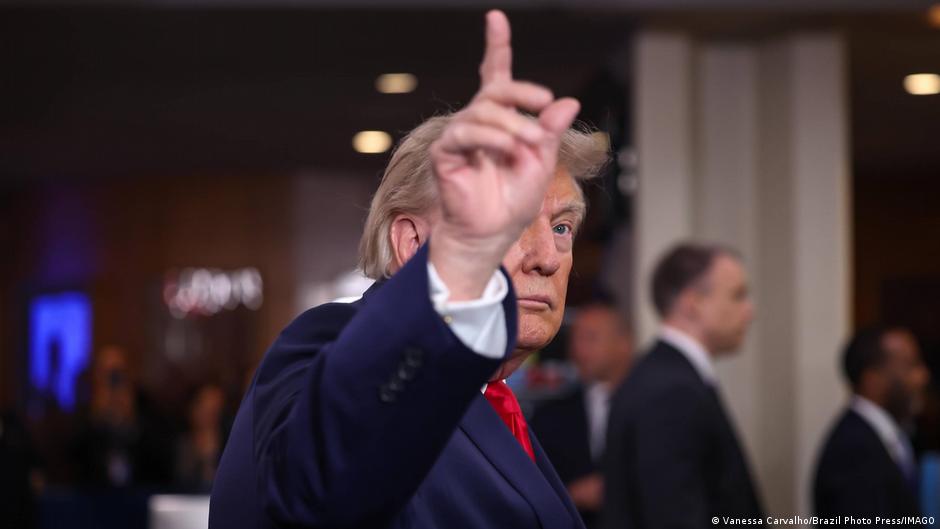
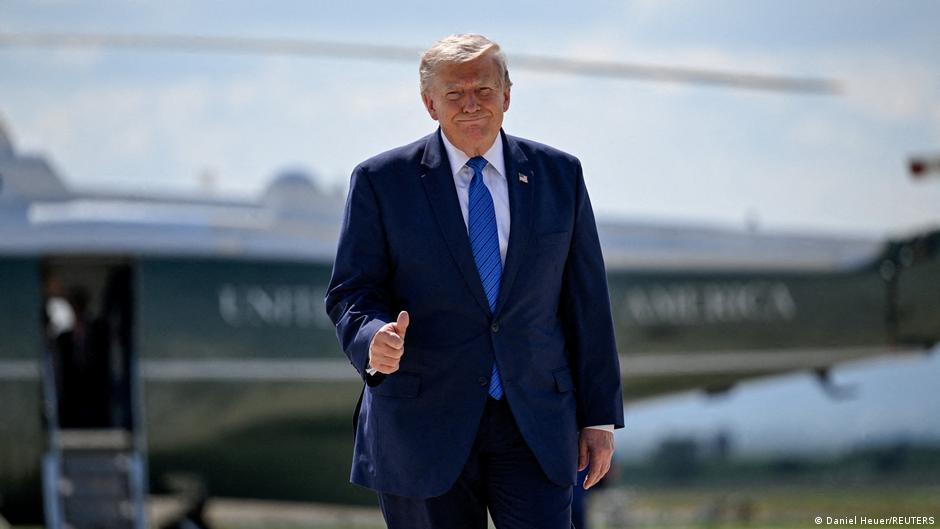
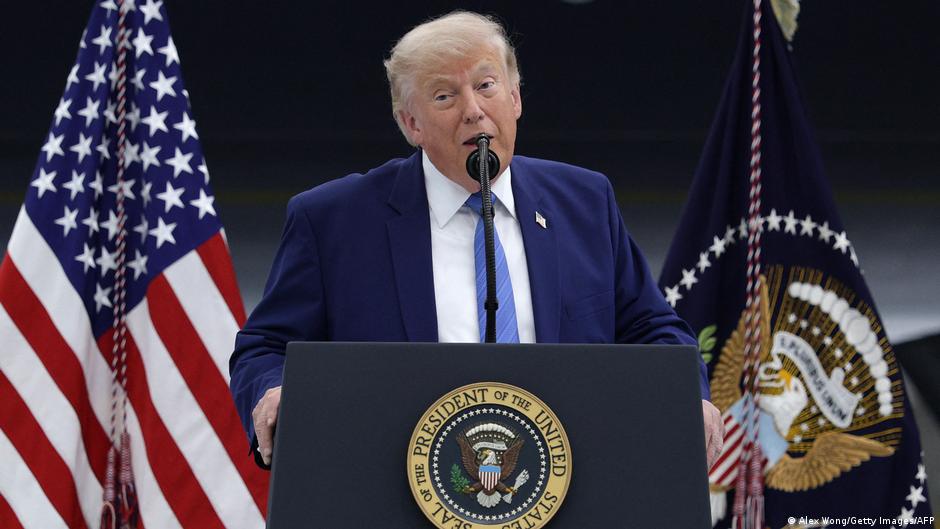
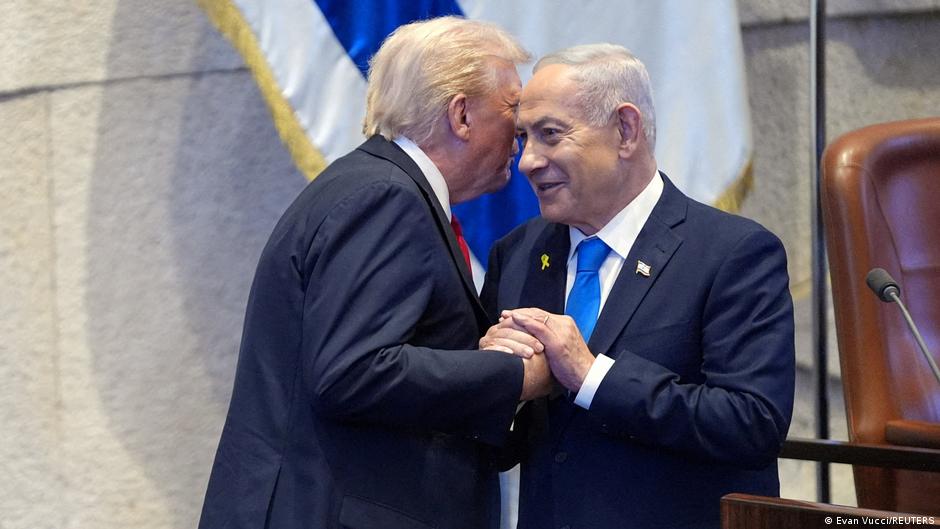
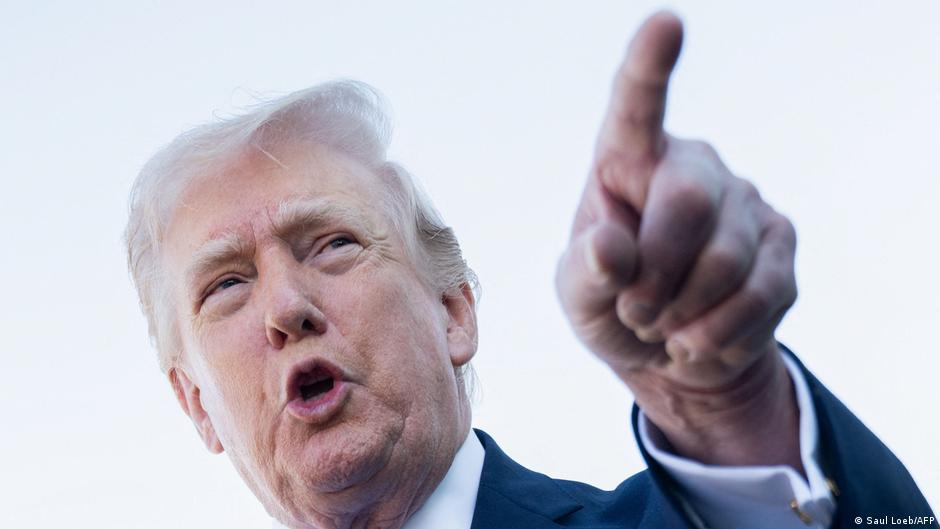
Former President Trump rebuked Israeli PM Netanyahu for Lebanon strikes, warning of increased civilian casualties and risks of Israel's international isolation amid ongoing Middle East tensions.
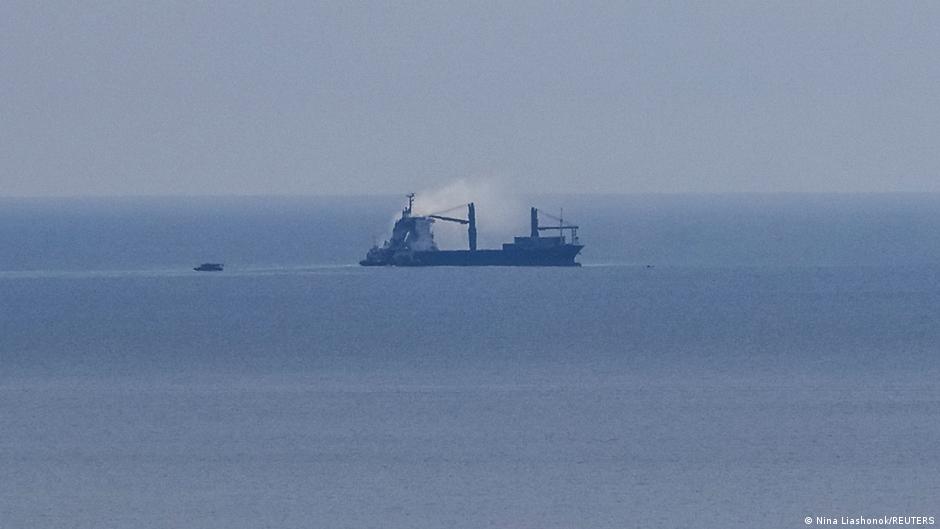
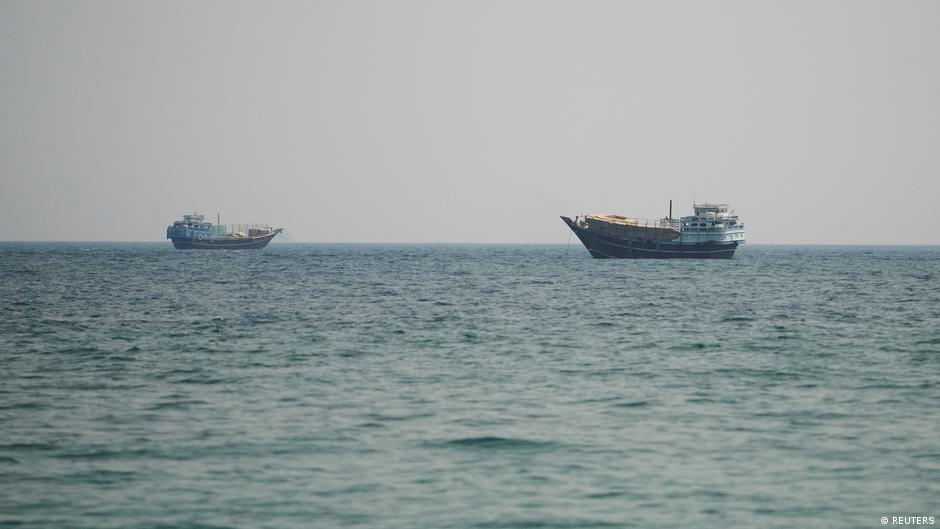
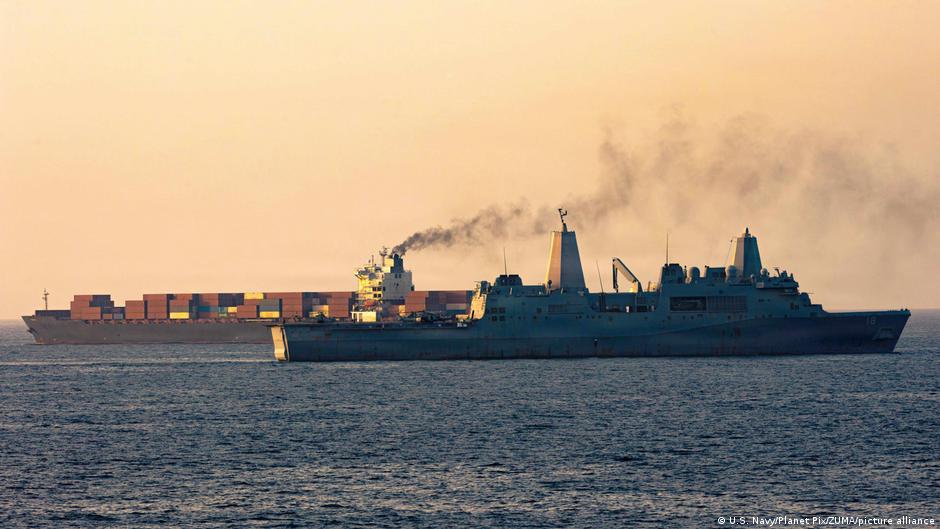
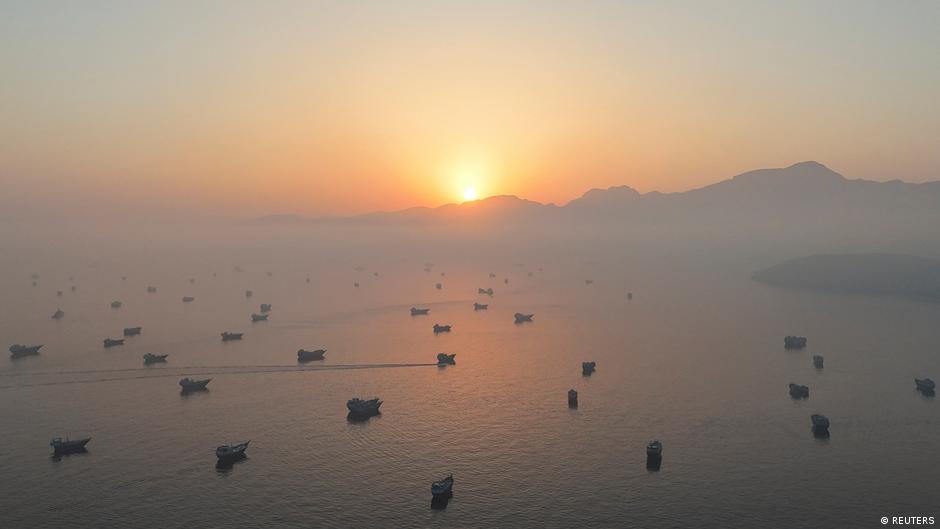
The U.S. disabled a Gambian-flagged ship en route to Iran amid intense enforcement of the Strait of Hormuz blockade, highlighting rising risks for maritime and defense sectors.

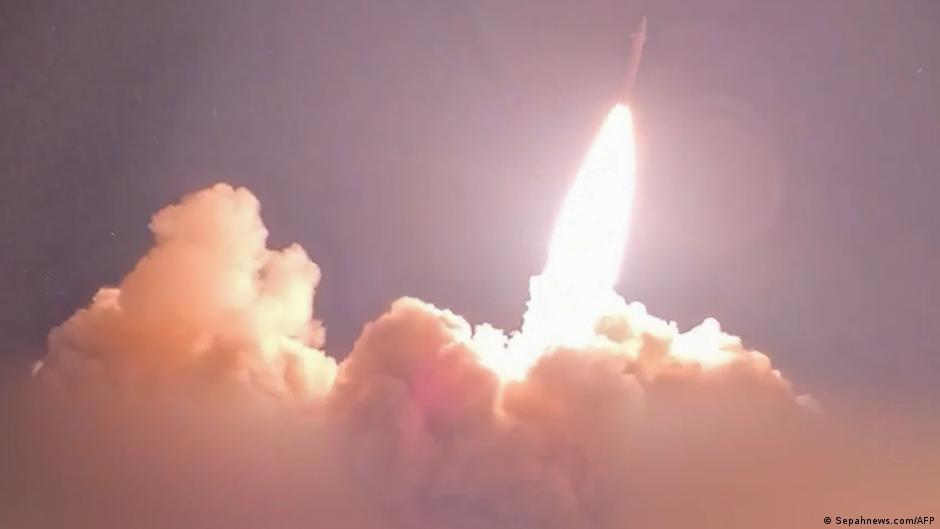
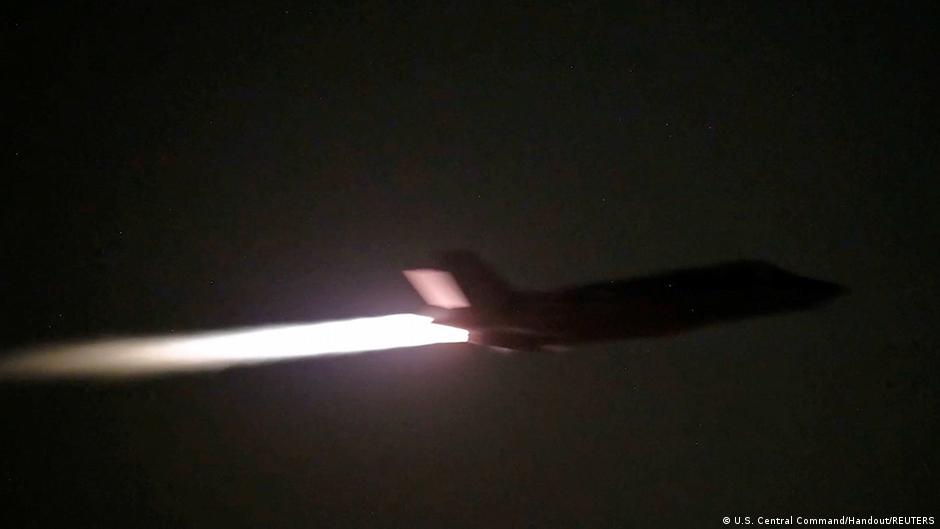
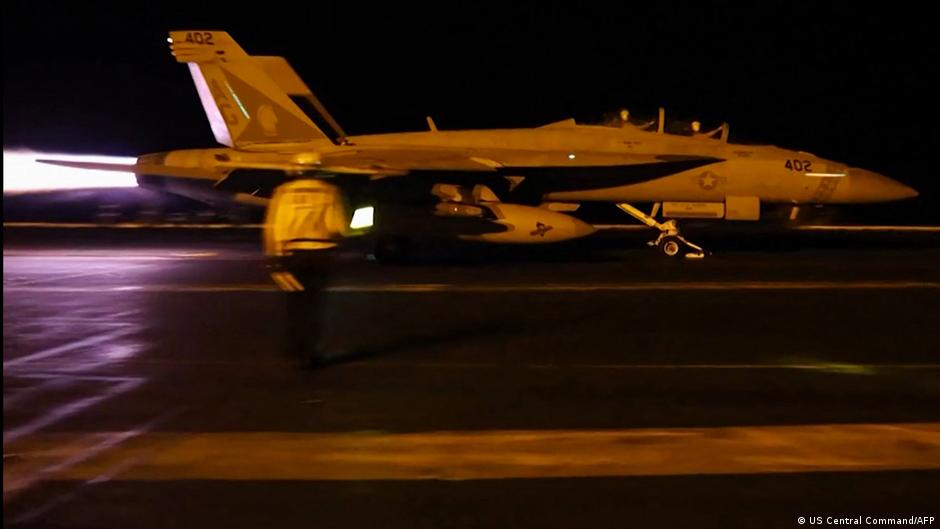
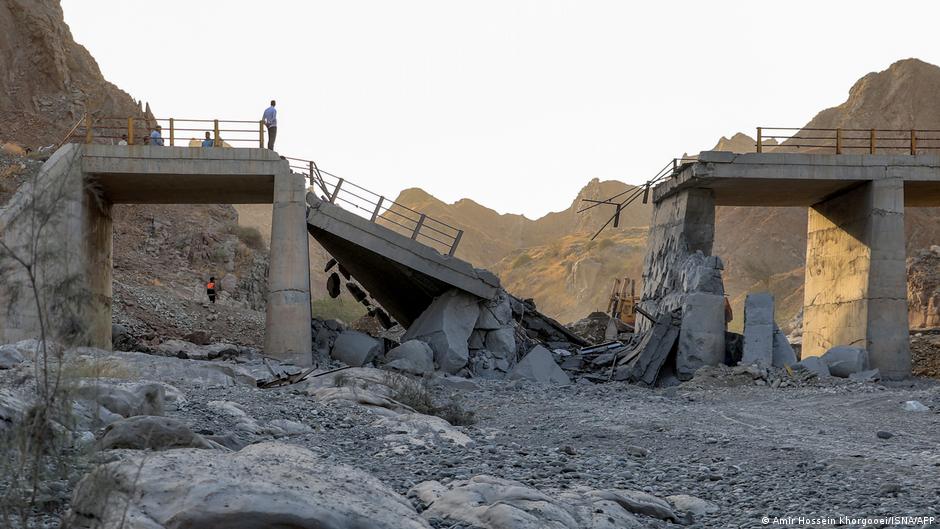
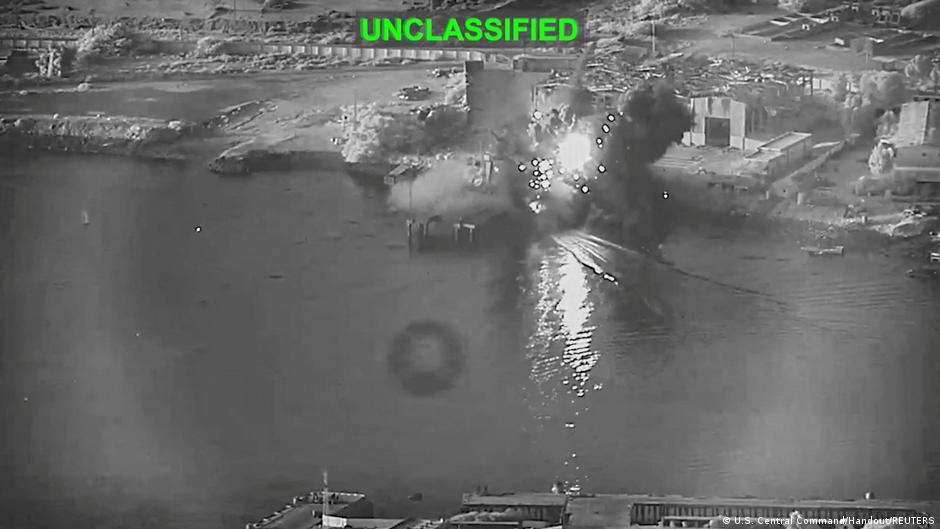
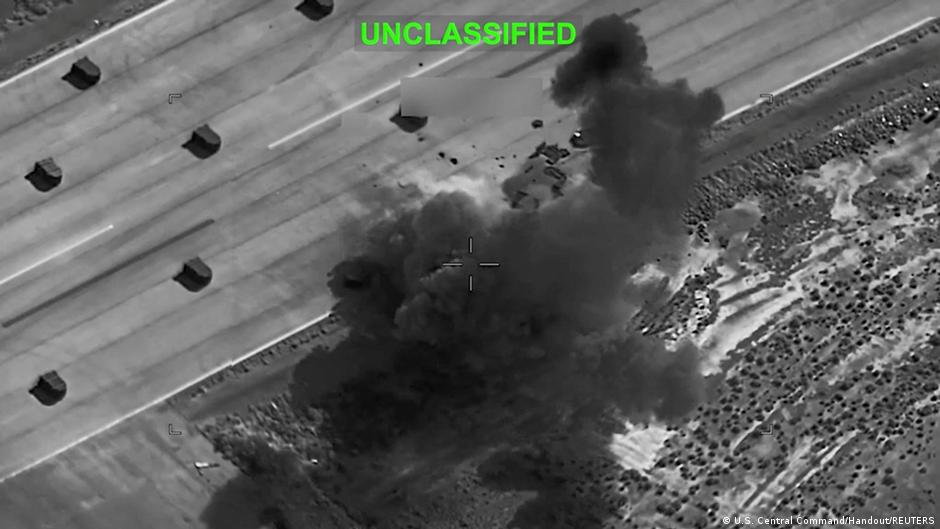
The US military conducted defensive strikes on missile sites and mining vessels in southern Iran, reinforcing protection of American forces amid an active ceasefire and complex diplomatic negotiations.

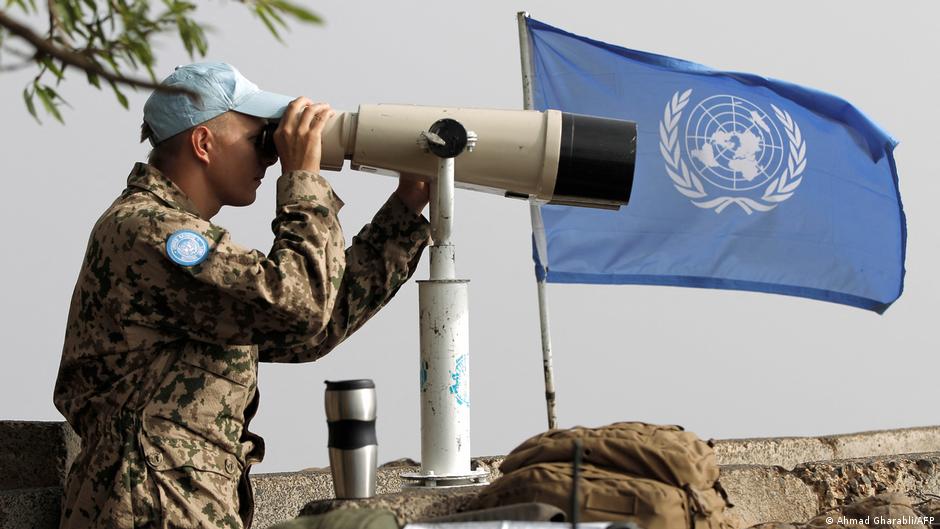
UN peacekeeping personnel have declined to the lowest level since 2000 due to funding crises and geopolitical tensions, threatening the effectiveness of multilateral conflict resolution.

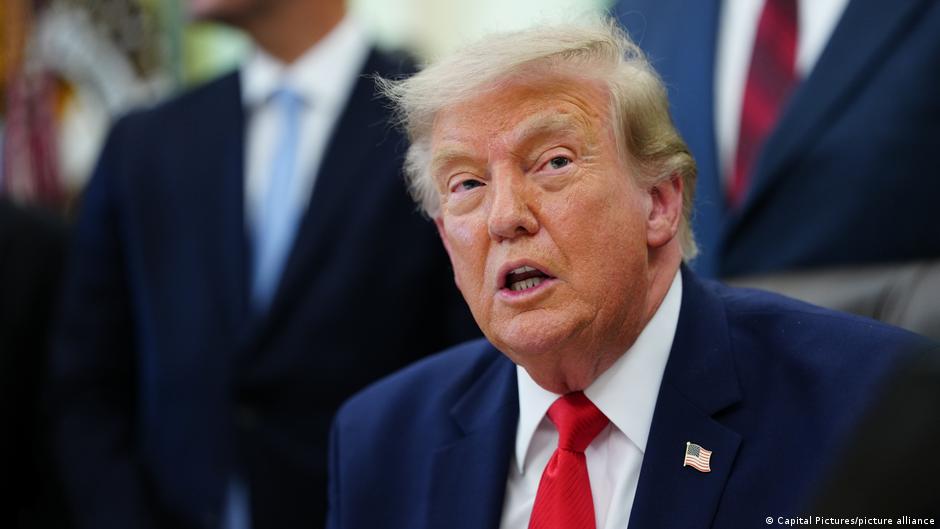
President Trump delayed a planned military strike on Iran following diplomatic appeals from Gulf leaders and ongoing negotiations aiming for a nuclear agreement.

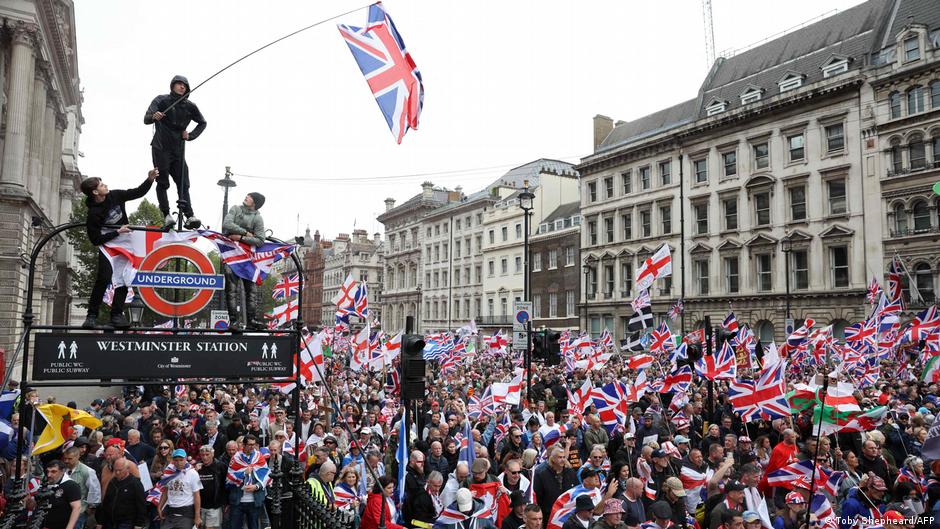
London hosted two large, opposing marches on migration and Palestinian rights, highlighting political divides and challenges for UK leadership amid social tensions.

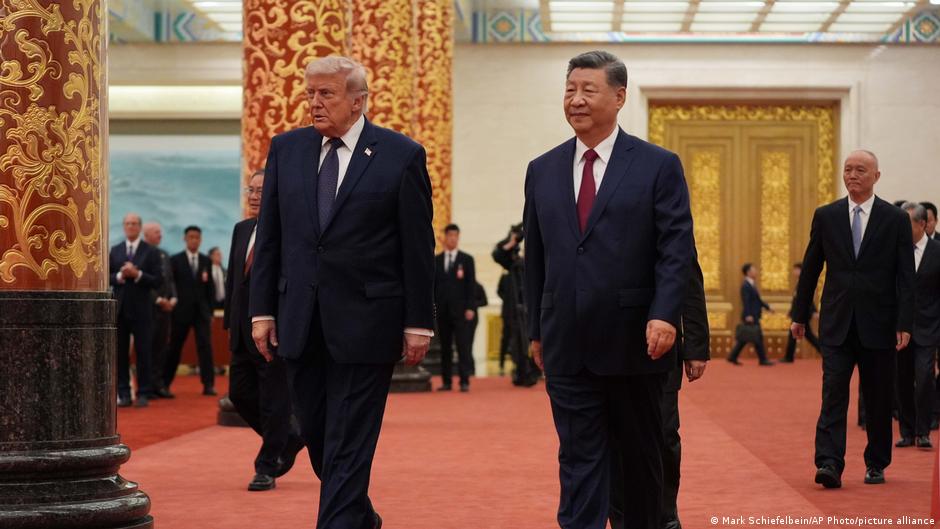
Donald Trump reveals China’s renewed interest in buying U.S. oil and soybeans, hinting at shifting trade dynamics and potential influence on Iran amid recent talks with Xi Jinping.

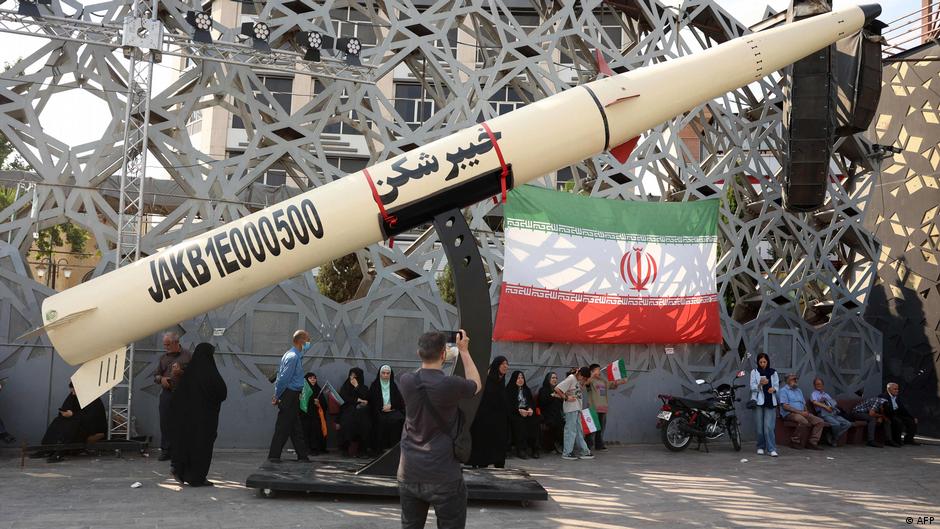
US intelligence reveals Iran retains about 70% of its missile capabilities, challenging official claims of Tehran's military defeat and raising strategic and logistical concerns for US defense.

EU leaders prepare strategies for potential negotiations with Russia amid uncertain signals from Moscow and shifting geopolitical dynamics.

Global oil stocks fell by a record 200 million barrels in April despite declining demand, driven by Middle East conflicts and supply disruptions, signaling rising prices ahead.

Iran has delivered a 14-point peace proposal to the U.S., demanding troop withdrawals, sanctions relief, and reparations, while Washington remains doubtful about its acceptance.

The US notifies European allies of significant arms shipment delays as it prioritizes replenishing military stockpiles depleted by conflict with Iran, impacting NATO partners and Ukraine.

Oxfam reports a 56% rise in CEO pay among Germany’s DAX 40 companies since 2019, while average worker wages remain below pre-pandemic levels, intensifying income inequality.

Israeli naval forces have detained vessels from the Global Sumud Flotilla attempting to deliver humanitarian aid to Gaza, reinforcing the maritime blockade amid ongoing conflict.

President Trump ends US negotiators’ travel to Pakistan, citing America’s superior position and secure remote communication lines in ongoing Iran talks.

US President Trump announced a three-week extension of the Israel-Lebanon ceasefire following historic US-facilitated talks aimed at advancing peace and countering Hezbollah.

Lufthansa will cancel 20,000 flights through October 2026 to save over 40,000 tons of jet fuel amid rising energy costs and geopolitical instability affecting aviation fuel supplies.

Iran accuses the U.S. of ceasefire violations after American forces seized an Iranian cargo ship in the Gulf of Oman, complicating diplomatic negotiations and regional stability.

Global airlines reduce flight capacity by 3% in May due to jet fuel shortages caused by Middle East conflicts and the Strait of Hormuz blockade.

The US extends its suspension of sanctions on Russian oil sales until May 16, balancing geopolitical pressure with global energy market stability amid rising Russian revenues.

Donald Trump declined NATO's offer to assist in the Strait of Hormuz security mission, calling the alliance ineffective, while European leaders plan a multinational peacekeeping operation.

Germany authorized multimillion-euro arms exports to Israel amid war, balancing solidarity, political tensions, and complex export regulations affecting corporate strategy.

The Trump administration wants GM, Ford and other manufacturers to help produce weapons, echoing WWII-era industrial mobilization.