Iran Accuses U.S. of Breaching Ceasefire After Seizure of Iranian Vessel in Gulf
Tehran condemns U.S. naval action in the Gulf of Oman as piracy and ceasefire violation amid escalating tensions.
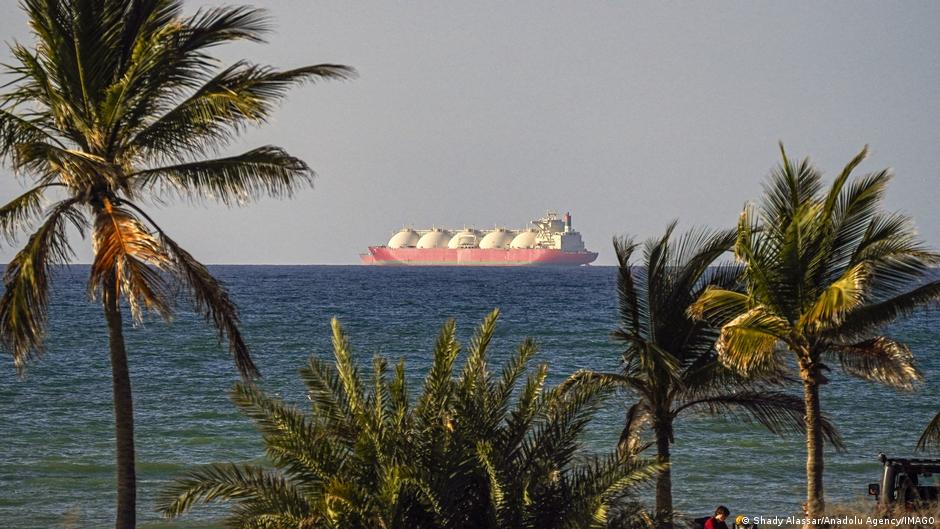
In a significant escalation of tensions between Iran and the United States, Tehran's military command has accused the U.S. of violating a ceasefire by seizing an Iranian-flagged cargo ship in the Gulf of Oman. The Iranian Central Military Command described the American naval operation as an "act of piracy," further accusing U.S. forces of striking American vessels with drones in retaliation.
Details of the Incident and Strategic Implications
The incident occurred amid heightened U.S. enforcement of a maritime blockade in the Strait of Hormuz, a critical chokepoint for global energy supplies. U.S. President Donald Trump confirmed the operation on his social media platform, Truth Social, stating that the Iranian vessel was intercepted while attempting to circumvent the blockade imposed on Iranian ports.
Following the seizure, the U.S. Central Command for the Middle East (CENTCOM) officially acknowledged the capture of the ship, underscoring the active enforcement of maritime sanctions against Iran. This development marks a notable intensification in maritime confrontations between the two nations.
"Aggressive America has violated the ceasefire and committed an act of maritime piracy," stated a representative of Iran's central military command, as reported by Iranian state media.
This incident raises critical questions regarding the stability of ongoing diplomatic efforts. Earlier, President Trump had announced plans for renewed negotiations with Iran, aimed at addressing nuclear and regional security issues. However, following the seizure and Tehran's strong condemnation, Iranian authorities have indicated a refusal to engage in talks while the U.S. blockade persists.
From a corporate and geopolitical perspective, the blockade and subsequent military actions could have considerable ramifications for international shipping companies and energy markets. The Strait of Hormuz is a vital artery for global oil exports, and disruptions here can trigger volatility in oil prices and supply chains. Companies with exposure in the region or reliance on stable energy prices must monitor these developments closely as they may impact shipping routes, insurance costs, and risk management strategies.
Moreover, the incident underscores the broader strategic posture of the U.S. in exerting pressure on Iran to comply with its sanctions regime. For U.S. corporate and policy decision-makers, understanding the potential for escalation and its impact on global commerce is essential.
As diplomatic prospects dim, businesses and investors must account for the likelihood of prolonged instability in the Gulf region, which could influence executive decisions related to international operations and supply chain resilience.