Russian Intimidation Tactics Target German Defense Firms Supplying Ukraine, Warns Security Chief
Thuringia’s constitutional protection head highlights psychological warfare aimed at German defense executives involved in arms deliveries to Ukraine.
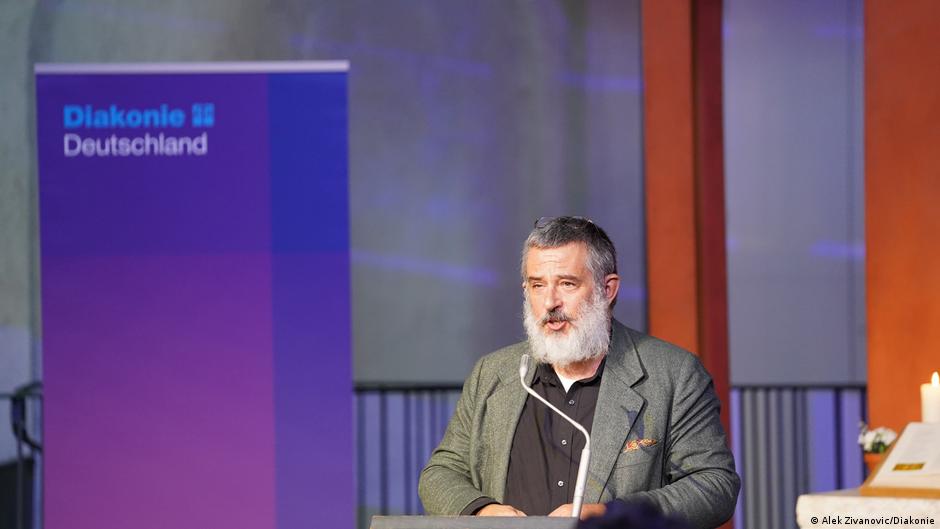
In a revealing assessment of Russia’s strategic pressure on Western defense industries, Stephan Kramer, head of the Thuringian Office for the Protection of the Constitution, warned that Russian efforts to intimidate German defense companies are part of a broader psychological warfare campaign. This campaign aims to undermine German support for Ukraine by targeting the leadership of firms involved in arms deliveries to Kyiv.
Russian Publication of German Defense Company Addresses Signals Psychological Warfare
Kramer’s comments, made during an interview with Handelsblatt, came in response to Russia’s recent disclosure of addresses belonging to German defense contractors implicated in supplying weapons to Ukraine. The Russian Ministry of Defense published this information alongside similar data on foreign companies alleged to manufacture components for Ukrainian drones. Dmitry Medvedev, Deputy Chairman of the Russian Security Council, explicitly labeled these companies as "potential targets" for military strikes.
"The publication of German defense companies' addresses is a deliberate act of psychological warfare designed to intimidate executives and weaken Germany’s support for Ukraine," Kramer stated.
Kramer emphasized that this tactic aims primarily at increasing pressure on the top management of defense enterprises, signaling that Russia is willing to escalate beyond conventional diplomatic channels to influence corporate strategy and national defense policies.
Hybrid Threats Challenge Corporate Security and Executive Leadership
According to Kramer, German companies directly involved in arms shipments to Ukraine face heightened risks of hybrid threats emanating from Russia. These threats include cyberattacks, espionage, and sabotage efforts targeted not only at the firms themselves but also at their technological and logistical partners. Kramer underscored that such risks extend beyond operational security to personal safety concerns for company executives.
He cited the attempted assassination of Armin Papperger, CEO of Rheinmetall, in 2024 as a stark example illustrating that these threats are far from theoretical. The incident demonstrates an alarming willingness by hostile actors to engage in direct actions against key industry leaders, potentially impacting corporate governance and strategic decision-making processes.
Nevertheless, Kramer assessed that a direct military strike on German companies remains unlikely, as it would represent a significant escalation in the conflict. Instead, Russia appears to prefer subtler forms of pressure aimed at destabilizing supply chains and influencing German political support for Ukraine through intimidation.
Implications for German Defense Industry and Boardroom Strategy
This evolving threat landscape poses critical challenges for German defense firms and their boards of directors. Executives must now navigate not only complex geopolitical risks but also enhanced personal security considerations. Corporate strategies may require reassessment to mitigate potential disruptions from cyber threats and hybrid warfare tactics. Moreover, enhanced collaboration with government security agencies is essential to safeguard both operational integrity and leadership safety.
As Russia’s psychological warfare intensifies, the German defense industry faces multifaceted risks that extend beyond battlefield dynamics. Boards must weigh the implications of continued involvement in arms deliveries to Ukraine against escalating security threats, balancing national interests with corporate resiliency.
In sum, Kramer’s insights highlight the need for robust executive protection protocols and strategic adaptations within German defense companies as they confront sophisticated and persistent hybrid threats from Russia.