Wage Gap Between German and Foreign Workers in Germany Remains at 23.6% in 2025
Germany's wage gap between native and foreign full-time workers remains at 23.6%, with significant disparities tied to sectoral employment and qualifications.

Germany's wage gap between native and foreign full-time workers remains at 23.6%, with significant disparities tied to sectoral employment and qualifications.

The IMF has approved a $690 million tranche to Ukraine under its four-year EFF program, acknowledging solid macroeconomic management despite delays in structural reforms amid ongoing conflict.

German President Steinmeier urges Europe to respond to the 'ruthless' policies of Russia and the US, emphasizing international law, pragmatic US relations, and social reforms amid rising far-right influence.

Germany's 2027 budget plans a 6% spending increase with record defense funding and higher borrowing, sparking industry concerns over economic growth and fiscal discipline.

Germany's labor force deficit is projected to rise by 4.3 million by 2036 due to baby boomer retirements and declining migration, challenging corporate workforce strategies.

Rosneft advisor Andrey Bezrukov warns Russia may face decades of war, urging economic strategies that balance growth with defense readiness amid rising regional tensions.

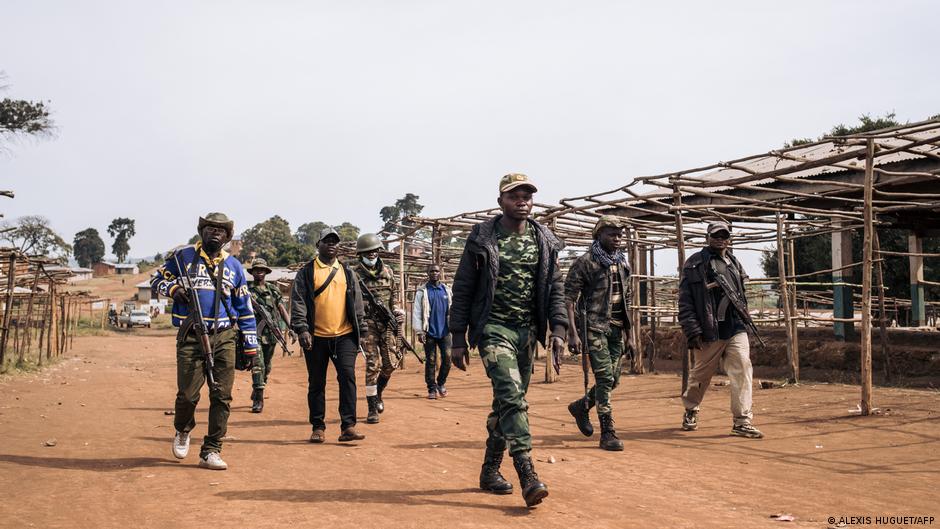
Attacks by rebel groups in eastern DR Congo's Ituri province killed 69 people, highlighting ongoing instability linked to ethnic tensions and resource conflicts.

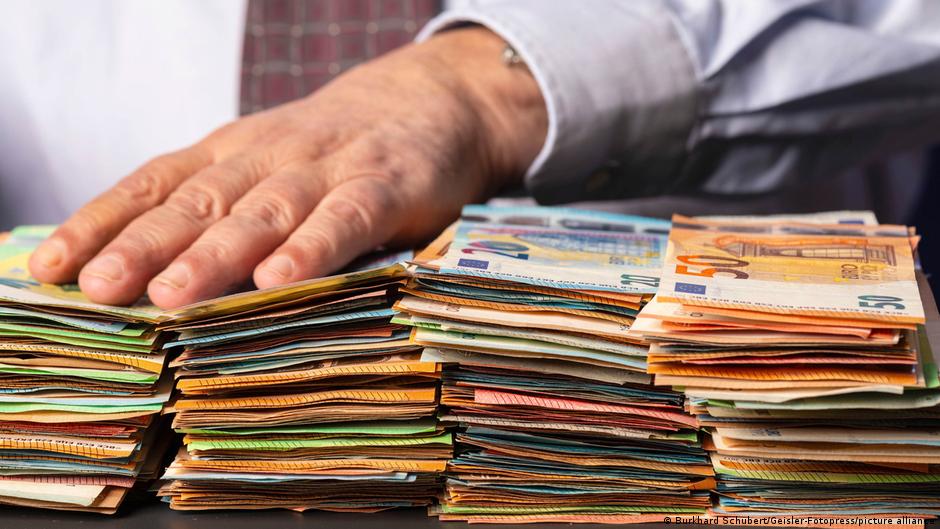
Oxfam reports a 56% rise in CEO pay among Germany’s DAX 40 companies since 2019, while average worker wages remain below pre-pandemic levels, intensifying income inequality.

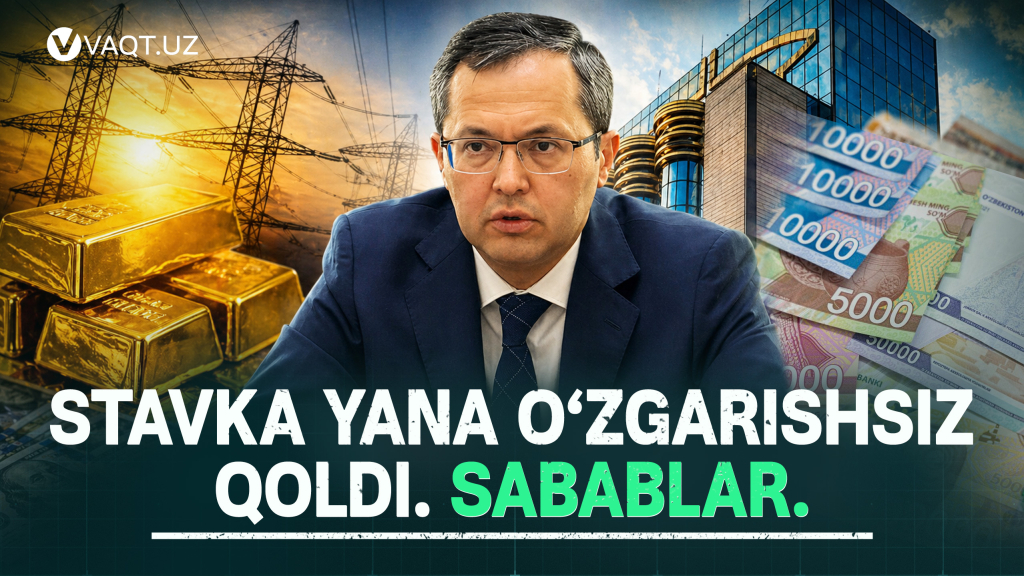
Uzbekistan’s Central Bank retains its 14% key rate due to persistent food inflation and external economic risks despite a general decline in inflation.

Uzbekistan's urban divorce rates have risen sharply, with one in three marriages ending in separation, signaling significant demographic and economic challenges ahead.