Macron Presses EU for Under-15 Social Media Ban After French Legal Setback
Macron is seeking an EU-wide ban on social media use by children under 15 after France’s Constitutional Council blocked a national law.

Macron is seeking an EU-wide ban on social media use by children under 15 after France’s Constitutional Council blocked a national law.

Russia has expanded eligibility for operating public transport to include people missing limbs, enabling veterans with injuries to join the workforce amid evolving labor and inclusion policies.

Colombian President de la Espriella declares national emergency after a 7.4 magnitude earthquake kills 132 and injures over 570; U.S. pledges $15.5M aid amid strategic policy shifts.

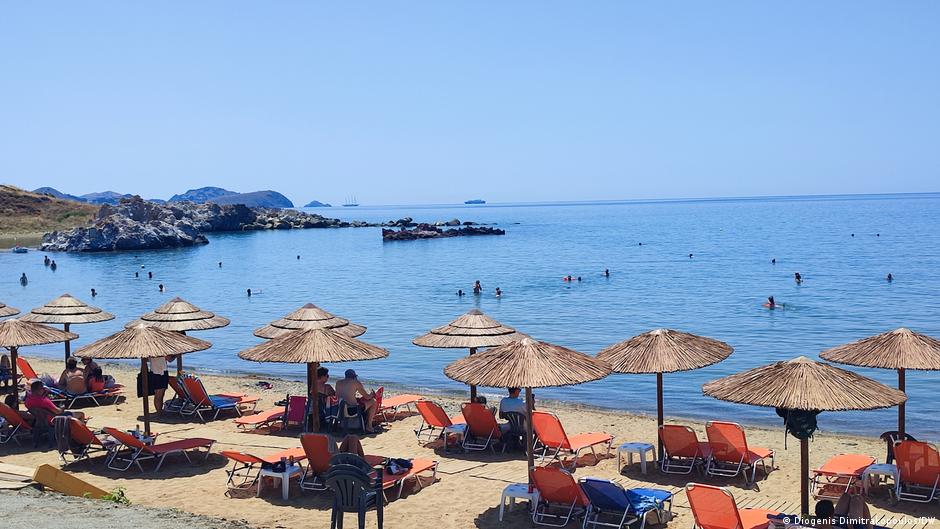
Uzbekistan introduces subsidies covering up to 50% of construction costs for modern swimming pools, boosting tourism and sports infrastructure development.

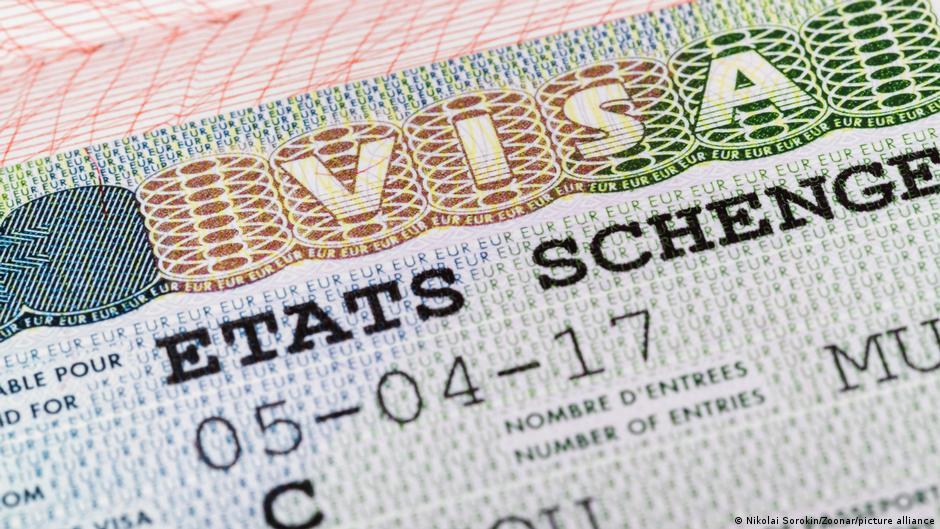
Greece has sharply increased Schengen visa denials for Russian tourists amid EU policy changes, impacting Russian travel companies and shifting market dynamics.
Montenegro plans to end visa-free entry for Russian and Belarusian citizens by October 31, 2026, aligning with EU accession requirements and impacting business travel and corporate strategy.

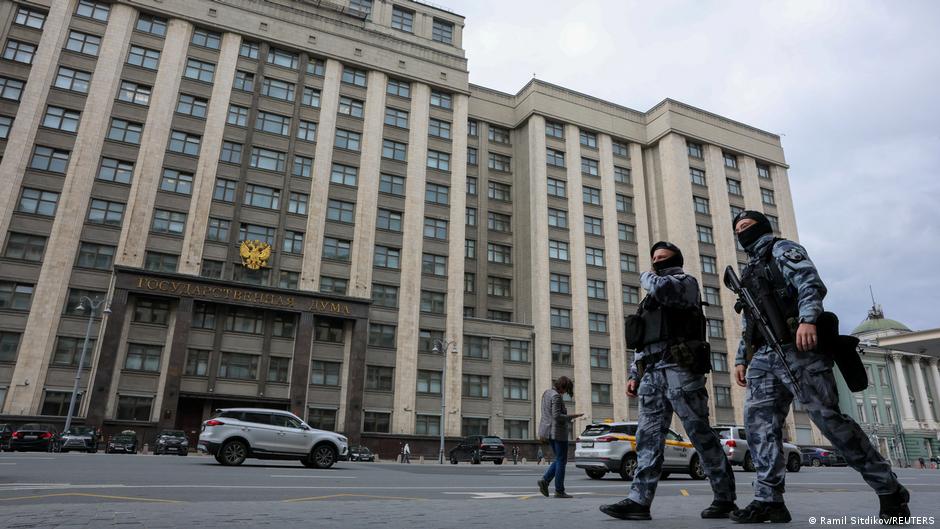
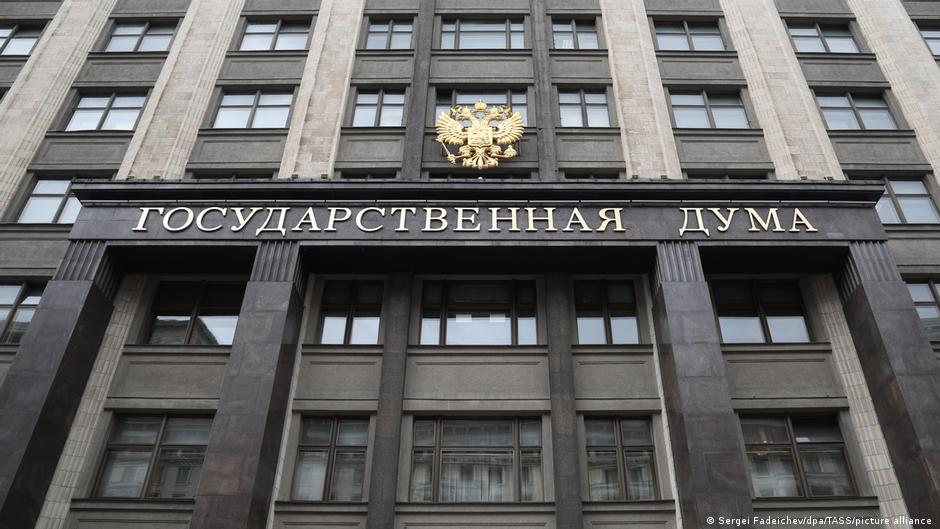
The Russian State Duma amended the fuel dampener and trading rules to enhance domestic fuel supply and price stability amid export restrictions and refinery disruptions.

Hungary blocks key EU negotiation clusters for Ukraine’s accession talks, complicating the EU enlargement process and raising strategic concerns for businesses.

France joins Italy, Spain, and Hungary in tightening Schengen visa rules for Russian citizens, requiring personal submission and biometric data, affecting travel and business.

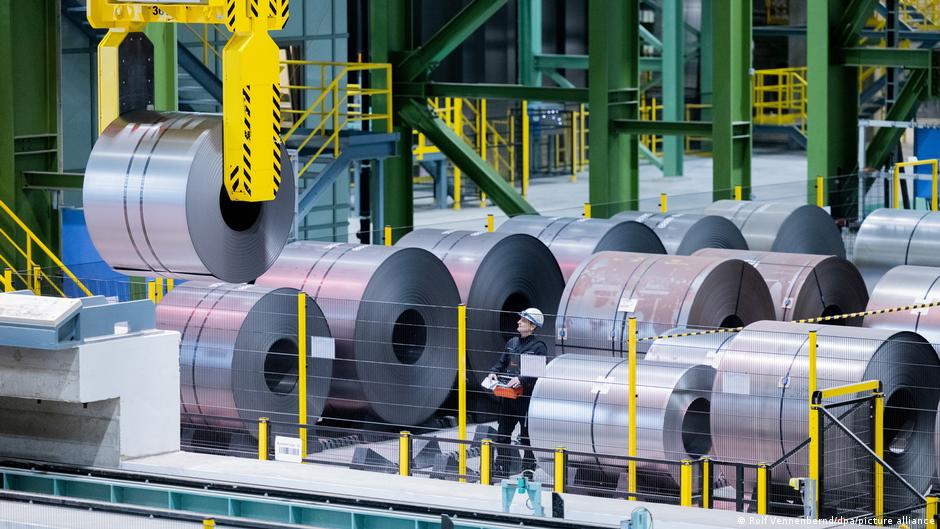
The EU has cut its duty-free steel import quota by 47%, imposing a 50% tariff on excess imports to protect domestic producers amid global overcapacity concerns.

Far-right businessman Abelardo de la Espriella narrowly wins Colombia's presidency with strong U.S. backing, promising deregulation and militarized drug crime control.

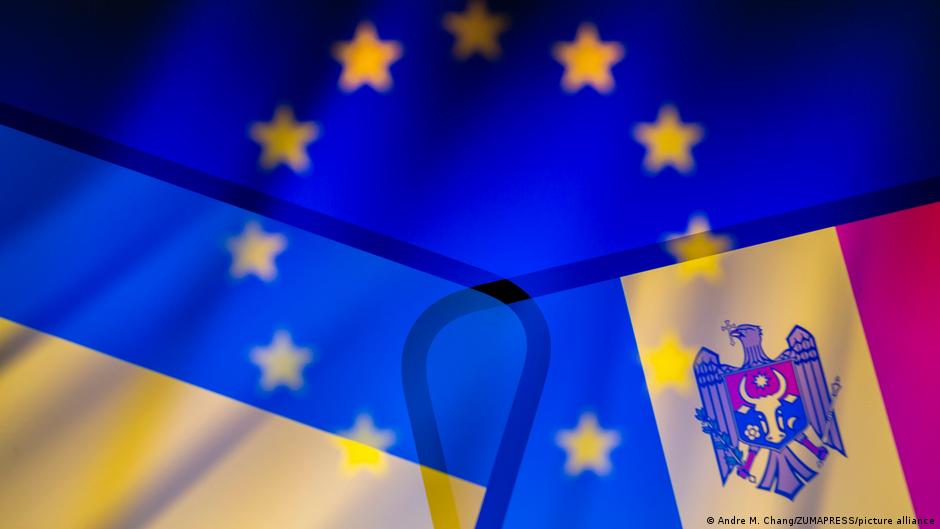
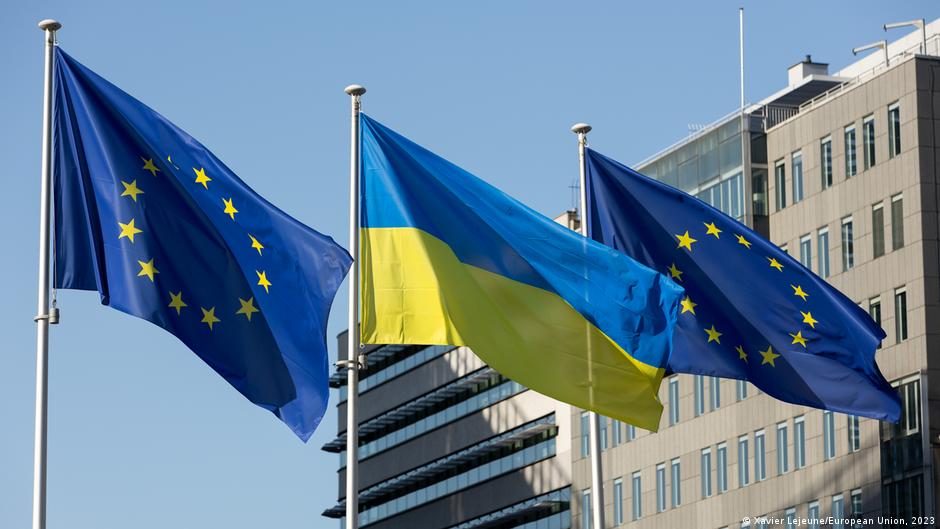
The EU has launched the first negotiation cluster with Ukraine and Moldova, marking the transition to detailed talks on their potential EU membership and associated reforms.

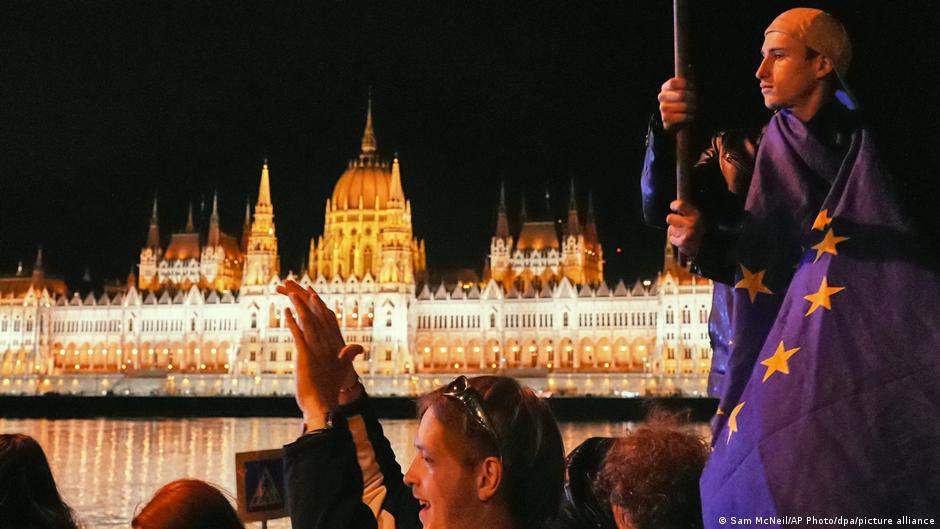
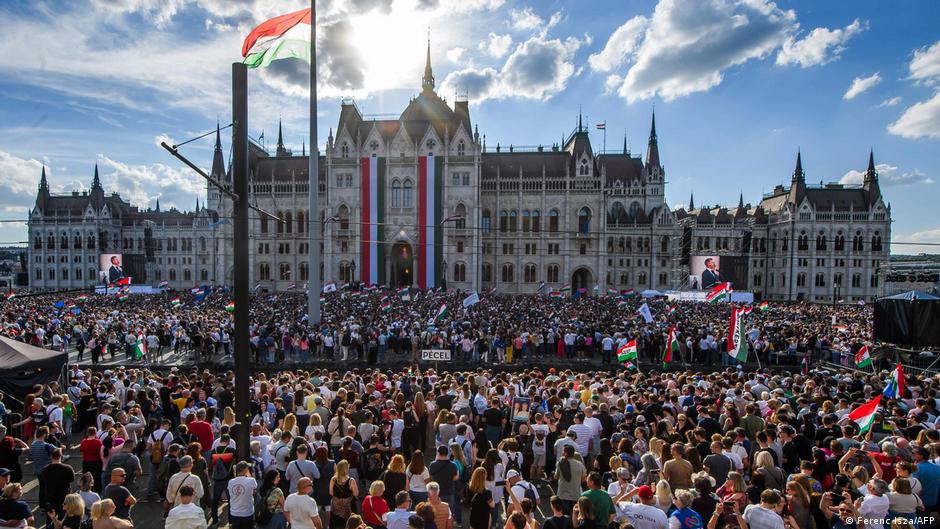
Hungary’s parliament passes a constitutional amendment limiting the prime minister to two four-year terms, preventing Viktor Orban from returning to office and signaling a shift in political power.

The EU plans to restrict Microsoft, Google, and Amazon from public cloud tenders in strategic sectors to reduce dependence on US tech firms amid data sovereignty concerns.

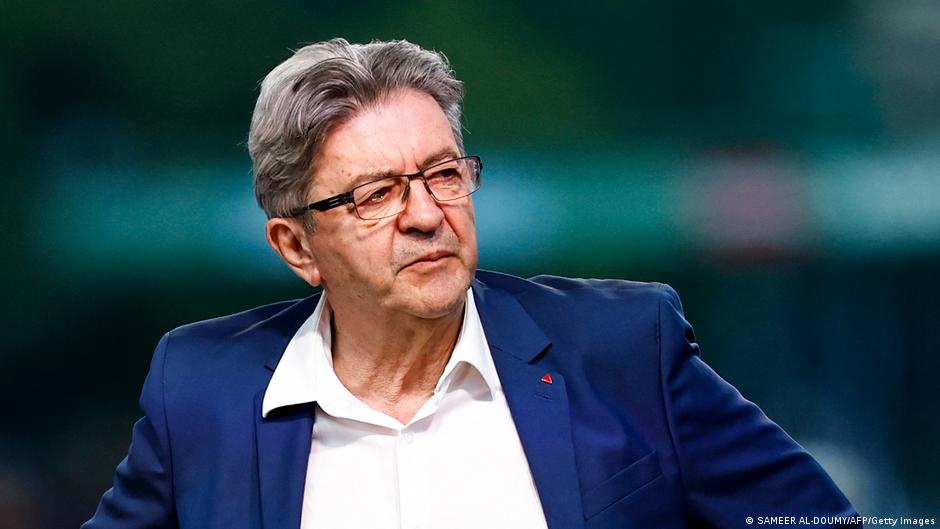
Jean-Luc Mélenchon confirms his candidacy for France's 2027 presidential election, setting up a contest against far-right rivals amid President Macron's term limit.

The EU and Mercosur initiate a provisional free trade agreement, presenting growth opportunities and regulatory challenges for European industries, especially in Germany.

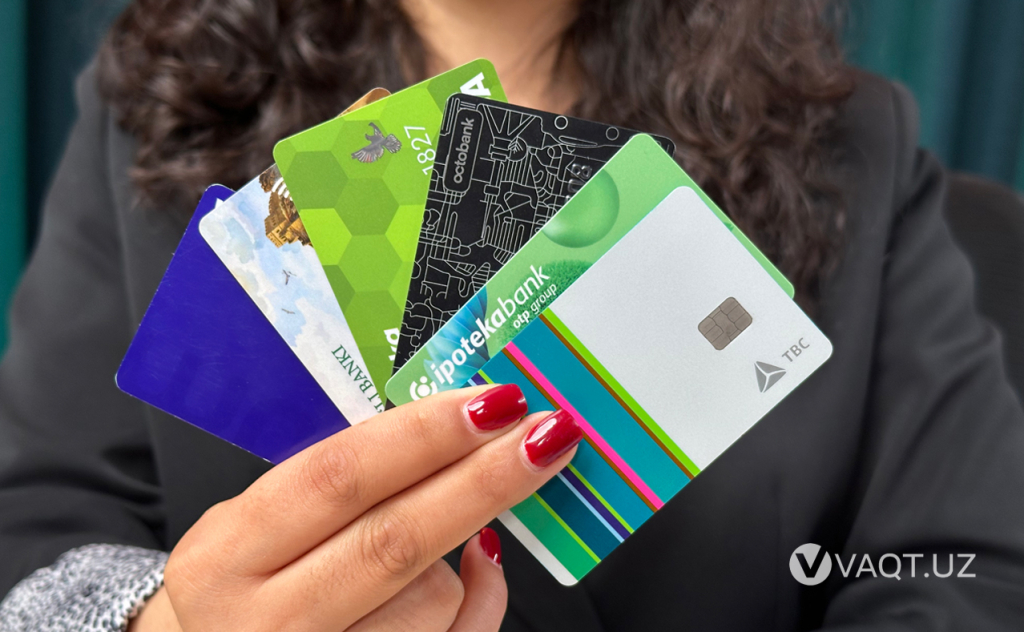
Effective April 15, Uzbek banks must maintain a minimum balance of 1.236 million soms during automatic credit card deductions, preventing full depletion of customer funds.

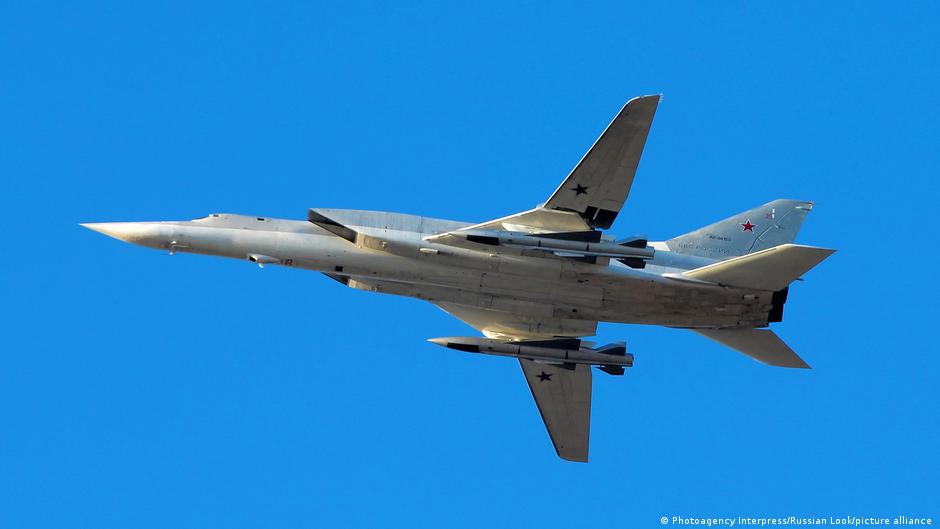
NATO intercepted Russian bombers and fighters over the Baltic Sea, highlighting heightened military activity and regional airspace security challenges.

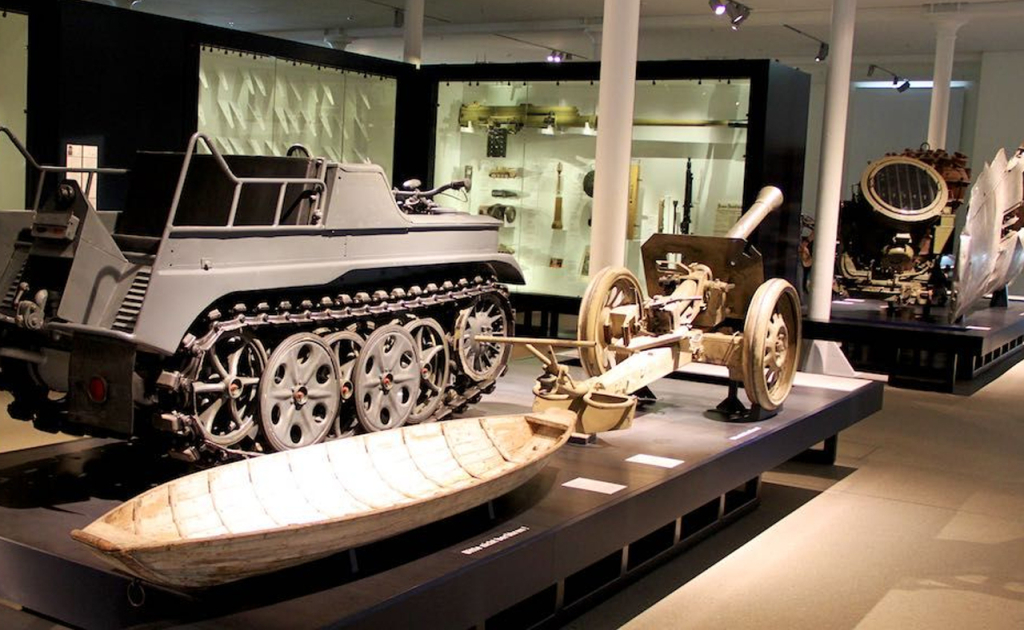
Germany's Bundeswehr Military Museum in Koblenz restricts entry for Uzbek and several Central Asian nationals, citing new security legislation affecting access to military exhibits.

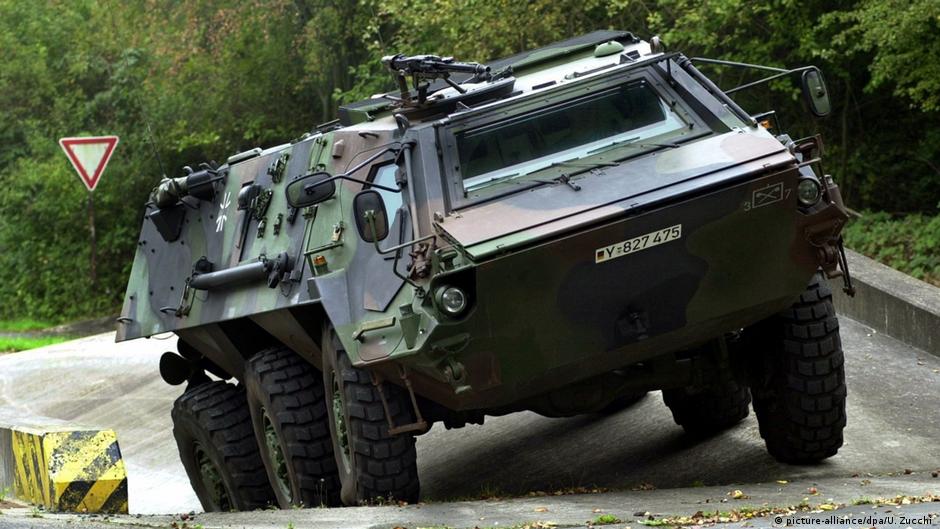
Germany authorized multimillion-euro arms exports to Israel amid war, balancing solidarity, political tensions, and complex export regulations affecting corporate strategy.