Russia's July Oil and Gas Revenues May Surge 60% Year-on-Year Amid Rising Prices
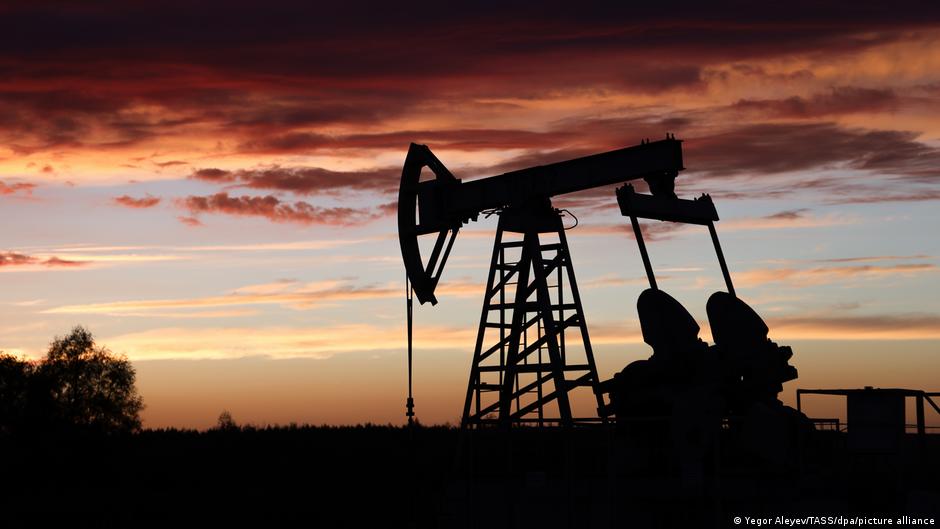
Russia's oil and gas revenues in July may rise 60% year-on-year due to higher global prices, despite ongoing sanctions and a year-to-date revenue decline.

Russia's oil and gas revenues in July may rise 60% year-on-year due to higher global prices, despite ongoing sanctions and a year-to-date revenue decline.

Russia’s oil product production index fell nearly 22% in June amid operational disruptions from conflict-related attacks, impacting supply and pricing dynamics.

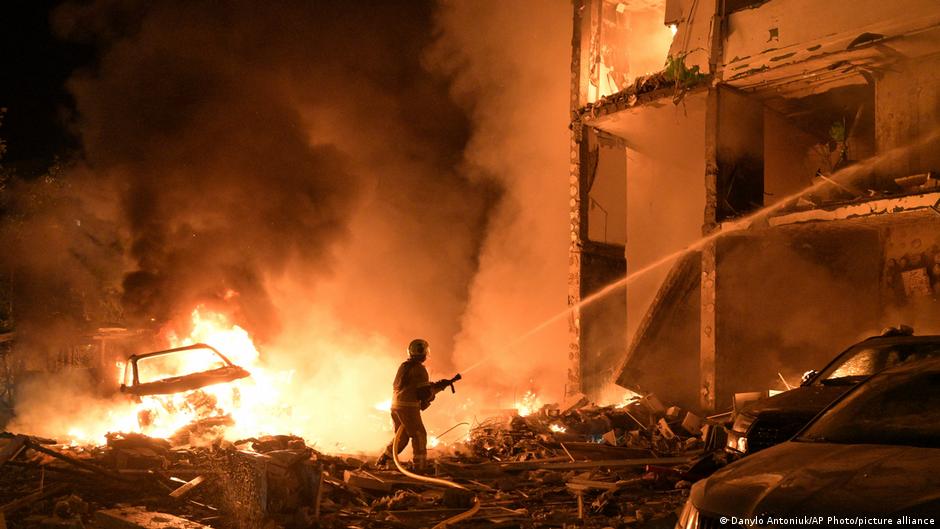
Russian missile strikes on Kyiv injure six amid record civilian casualties; Ukraine escalates drone attacks on Russian oil refineries, signaling intensifying conflict dynamics.

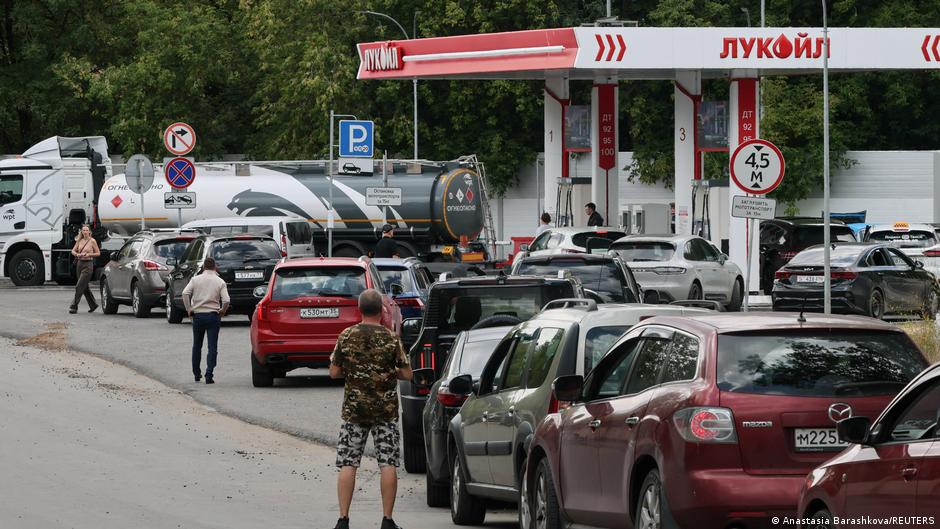
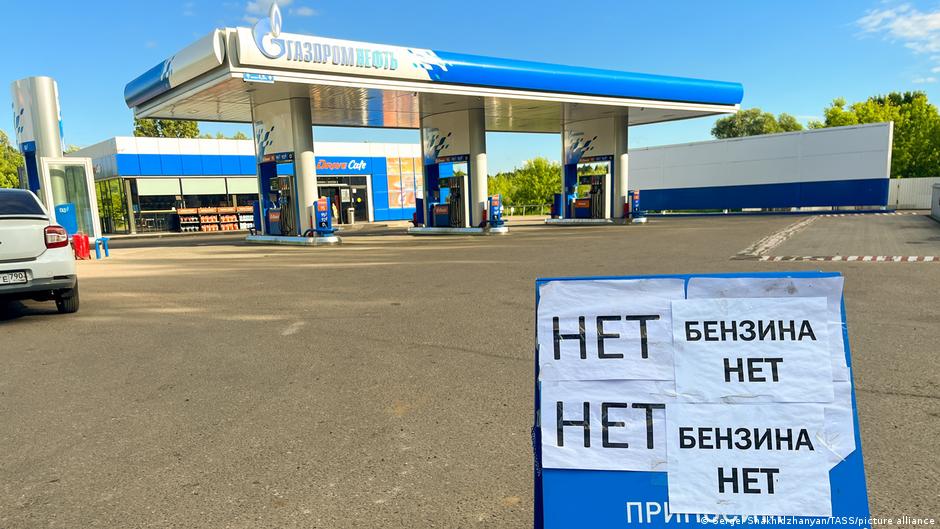
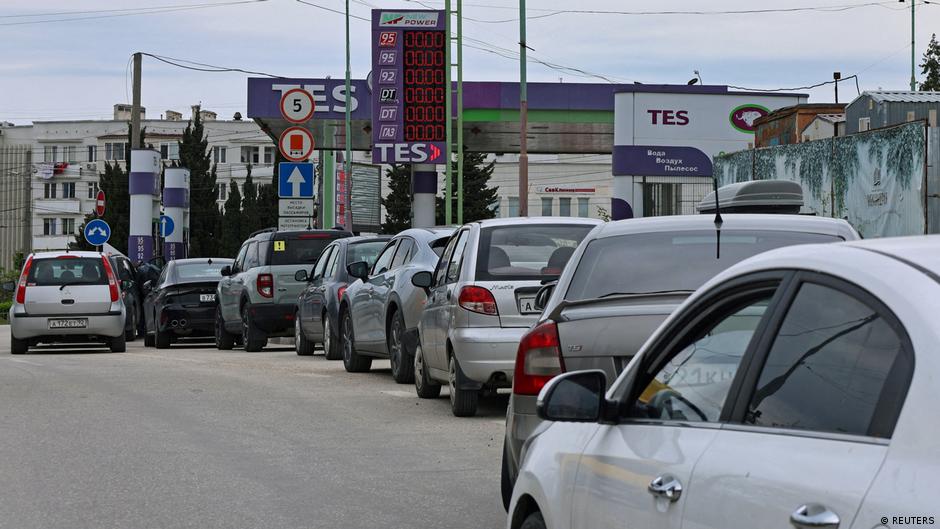
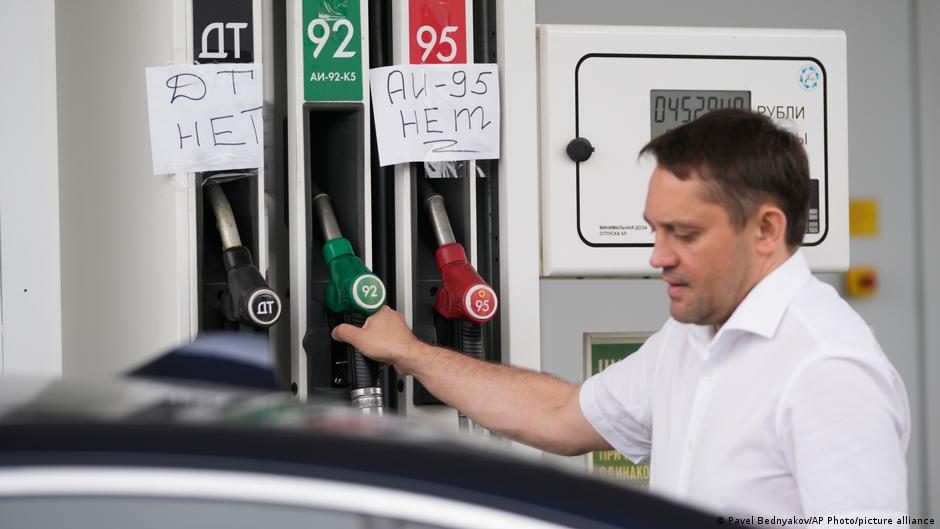
Gasoline prices in annexed Crimea have surged by nearly 80% in early July amid Russia’s fuel supply crisis and export restrictions.

Russia permits sale of Euro-3 standard fuels domestically through 2026 to mitigate supply shortages caused by refinery disruptions and attacks.

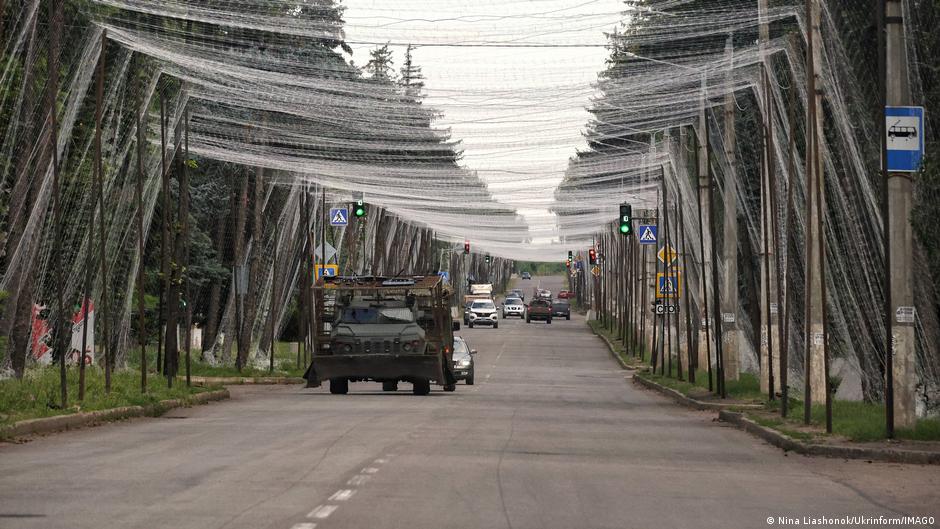
In June 2024, Russian drone and missile strikes on Ukraine dropped significantly, raising questions about Russia’s military production and strategic intentions.

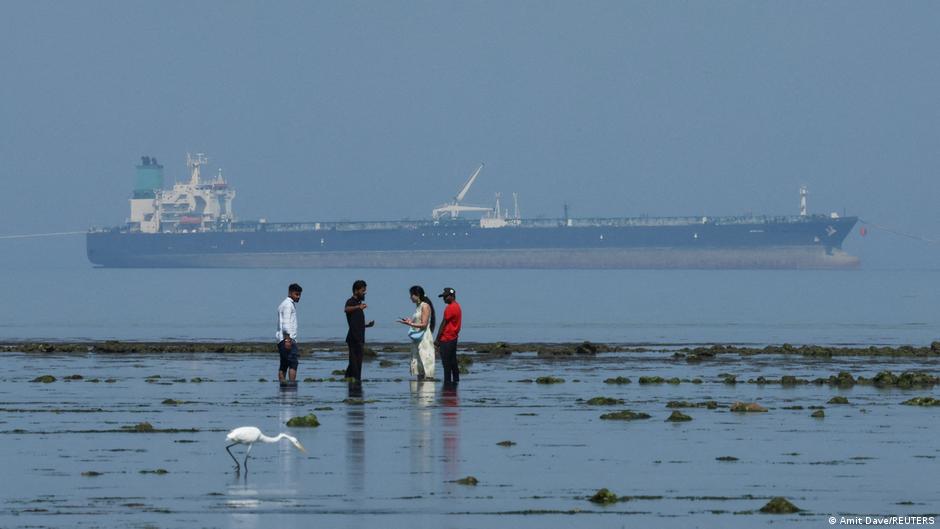
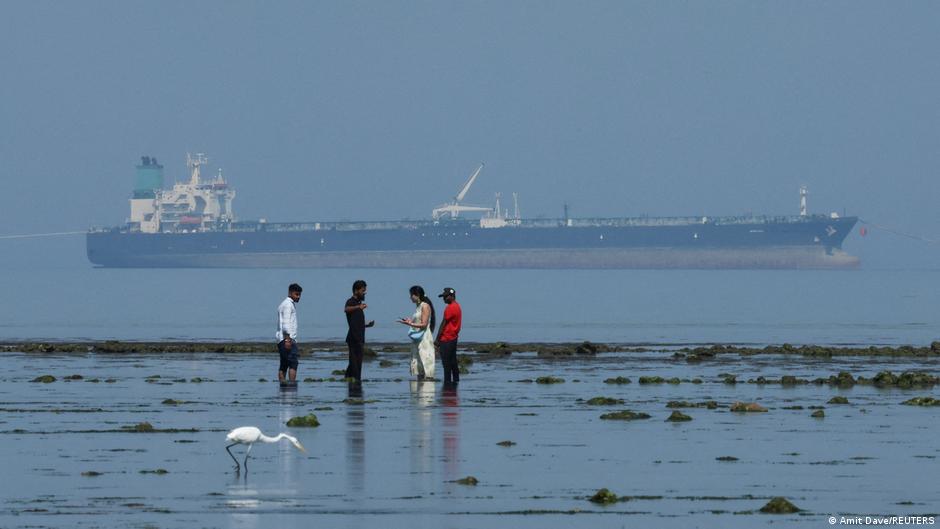
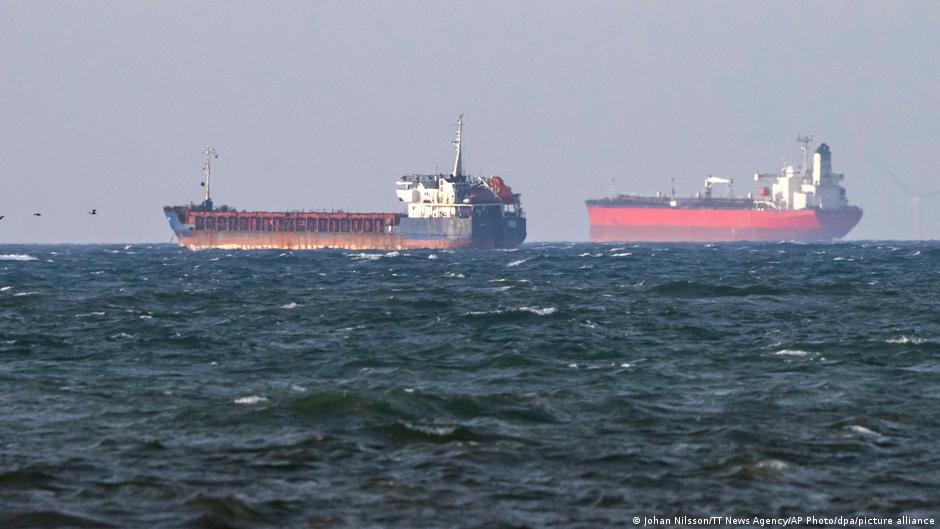
Russia’s maritime oil exports have reached a 2026 peak amid US sanctions shifts and rising competition from Iran, but falling prices and refinery attacks threaten revenue growth.

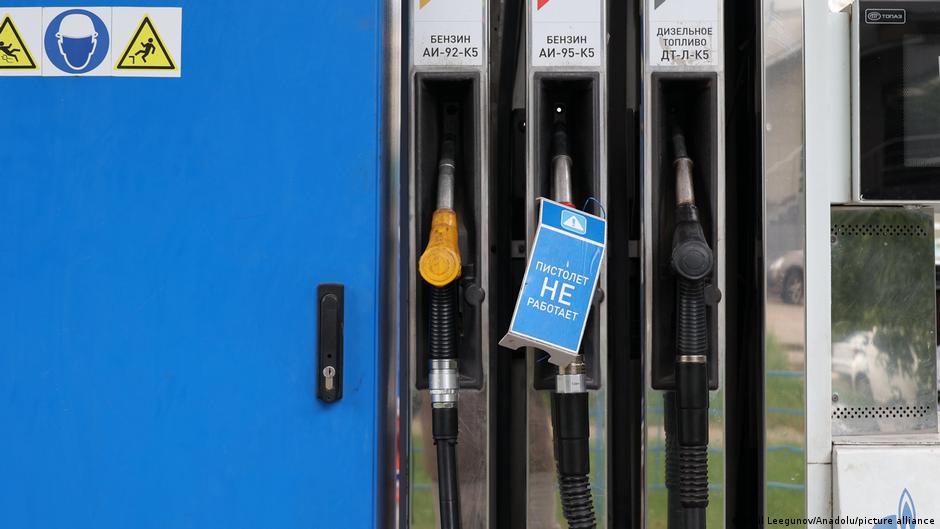
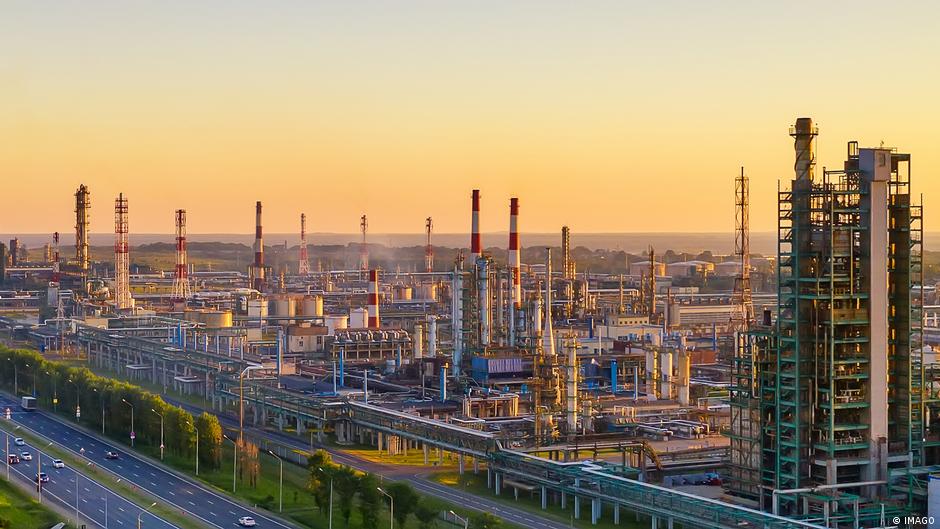
Russian regions are facing fuel rationing due to Ukrainian drone strikes on oil refineries, with over 50 areas imposing gasoline sales limits amid operational disruptions.

Germany's Economy Minister urges Turkey to exclude Russian gas from future EU energy deals, highlighting geopolitical and business strategy shifts amid ongoing conflicts.

Russia plans to impose 1-2 month export restrictions on diesel and jet fuel following drone attacks that disrupted refinery operations, aiming to stabilize the domestic fuel market.

The UK has issued an indefinite license permitting imports of diesel and kerosene derived from Russian oil via third countries, signaling a strategic shift amid global energy challenges.

The US Treasury has ended its temporary waiver on sanctions for Russian oil shipments, prompting strategic reassessments among energy sector executives and boards.

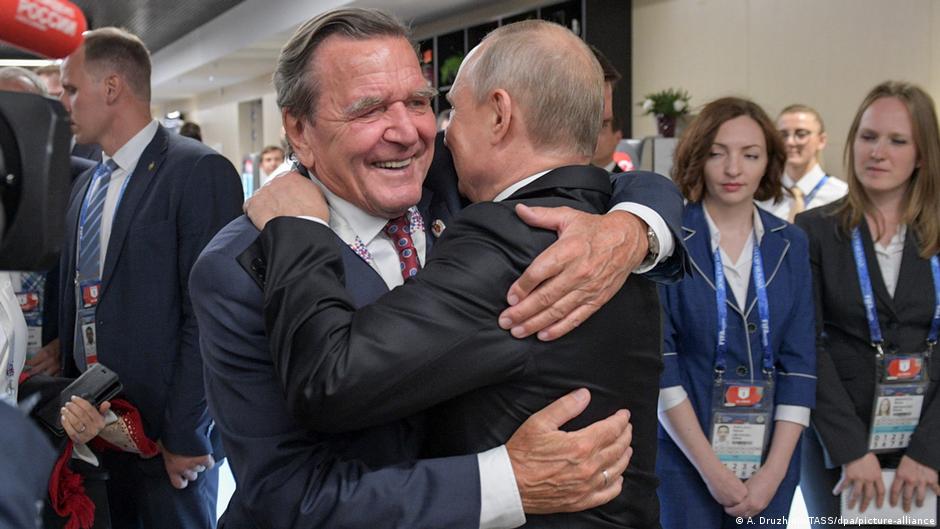
Putin names former German Chancellor Gerhard Schröder as his preferred EU negotiator for Ukraine peace talks, highlighting strategic business and political dimensions amid stalled diplomacy.

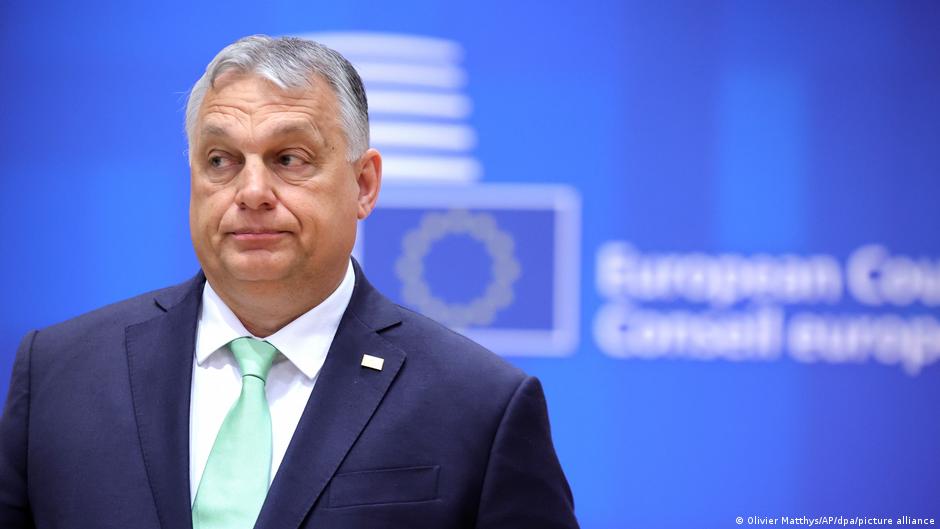
Viktor Orban declines his parliamentary seat after Fidesz’s election loss but aims to retain party leadership amidst Hungary’s political transition and new government policies.

The US Treasury announced it will not extend temporary sanctions waivers allowing purchases of Russian and Iranian oil shipments, signaling a strategic enforcement shift with broad implications for global energy markets.

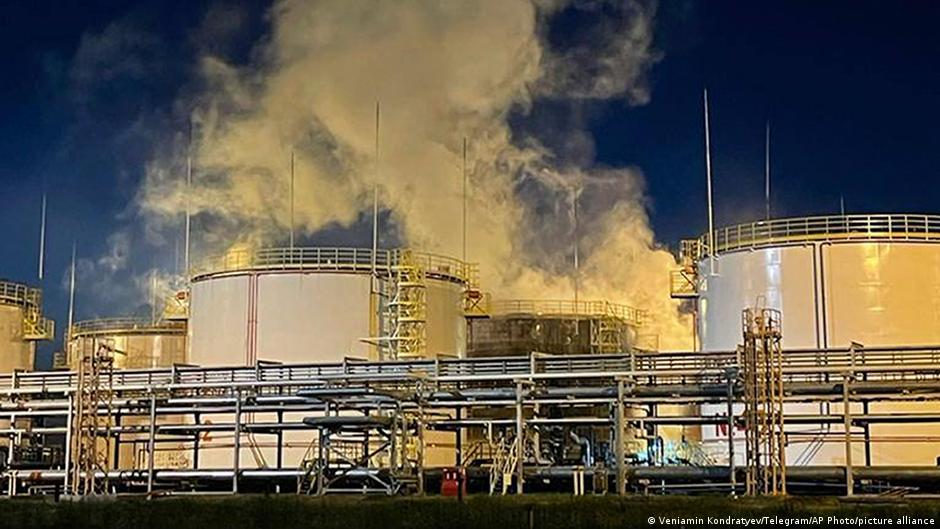
Ukrainian drone attacks triggered fires at oil depots in Russia’s Krasnodar region and Sevastopol, prompting large-scale firefighting efforts and air defense measures without casualties.

The US extends its suspension of sanctions on Russian oil sales until May 16, balancing geopolitical pressure with global energy market stability amid rising Russian revenues.

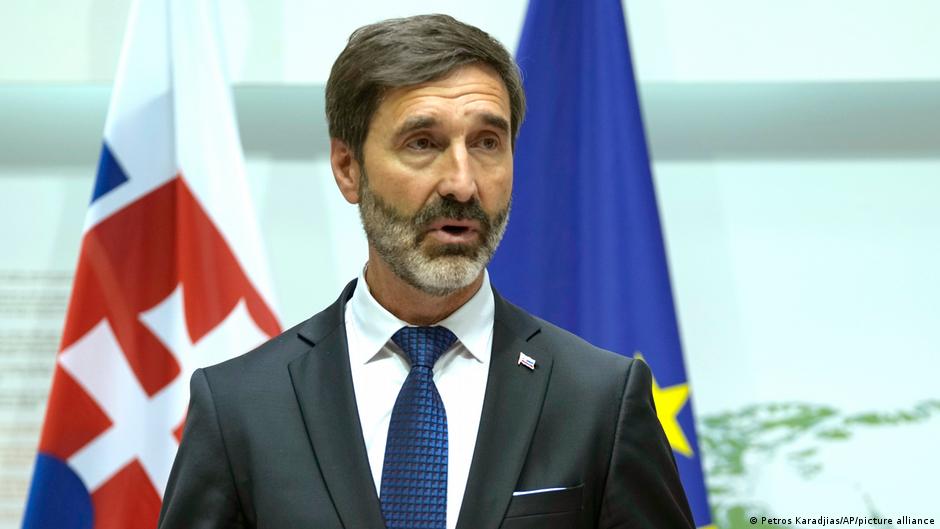
Slovakia will block the EU's 20th sanctions package against Russia until oil flow resumes via the Druzhba pipeline through Ukraine, citing energy security concerns.