Bulgaria Presidential Vote Heads to Runoff With Business Risks in Focus
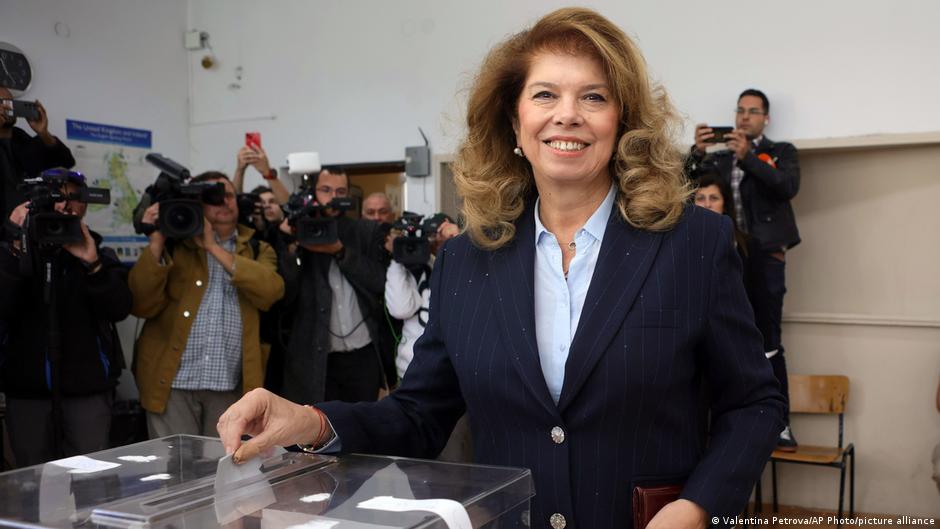
Bulgaria’s low-turnout presidential election heads to a runoff as executives assess competing Ukraine policies and risks to institutional stability.

Bulgaria’s low-turnout presidential election heads to a runoff as executives assess competing Ukraine policies and risks to institutional stability.

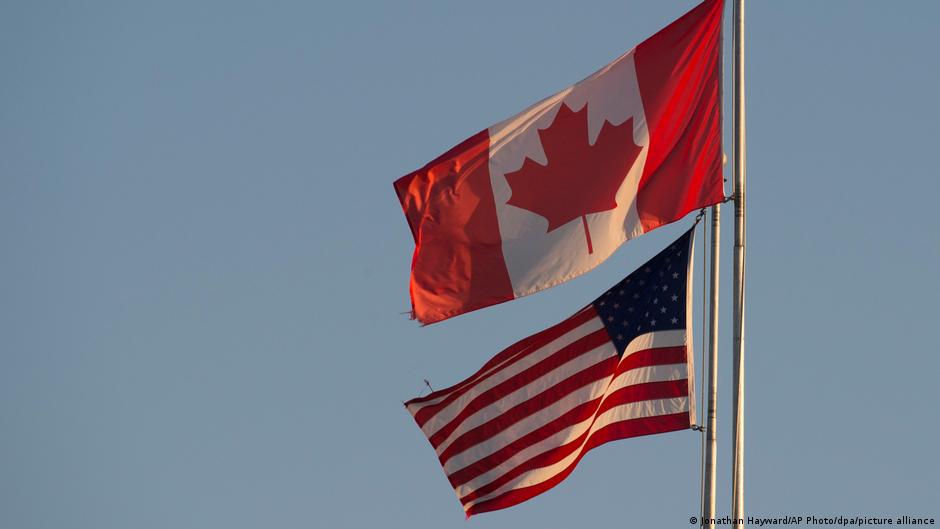
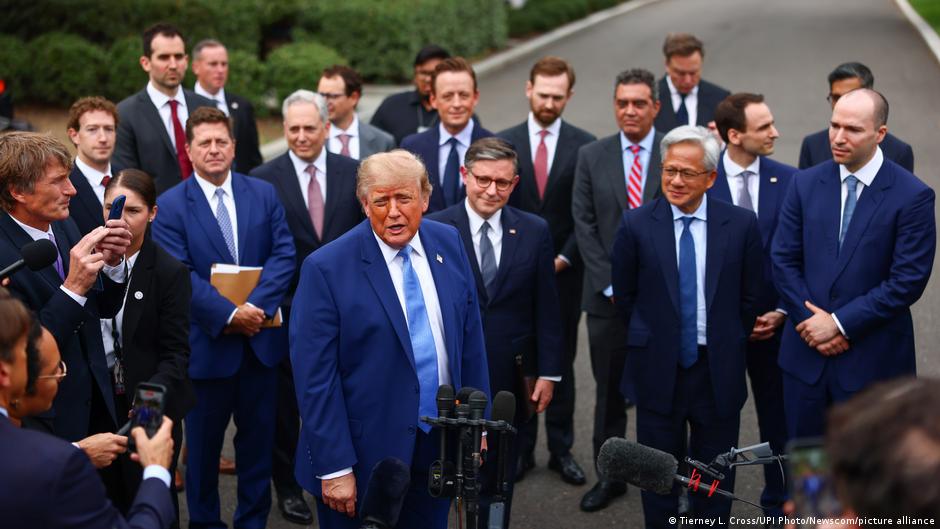
Trump’s tariff reset gives some Canadian exporters relief while exposing new industries to duties and forcing companies to revisit cross-border plans.

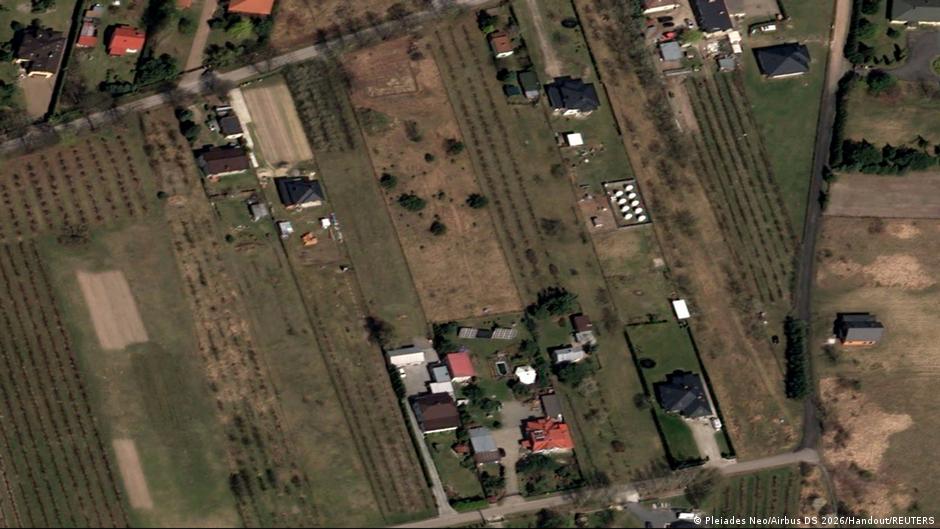
A suspected arson attack on a Starlink facility near Warsaw highlights physical-security and geopolitical risks for operators of strategic infrastructure.

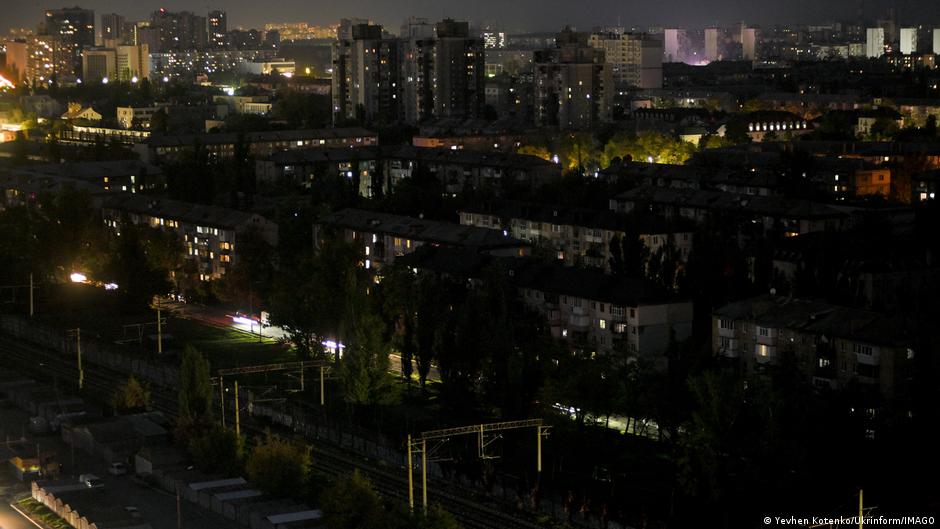
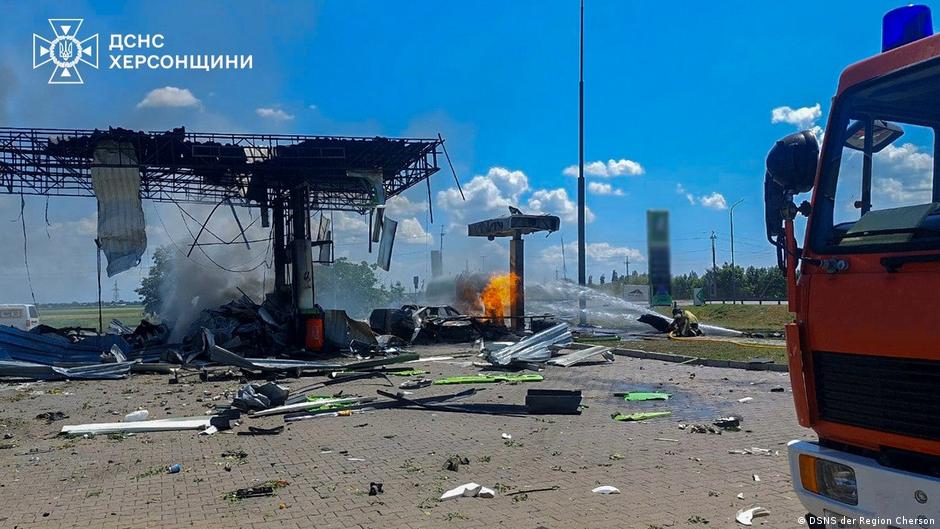
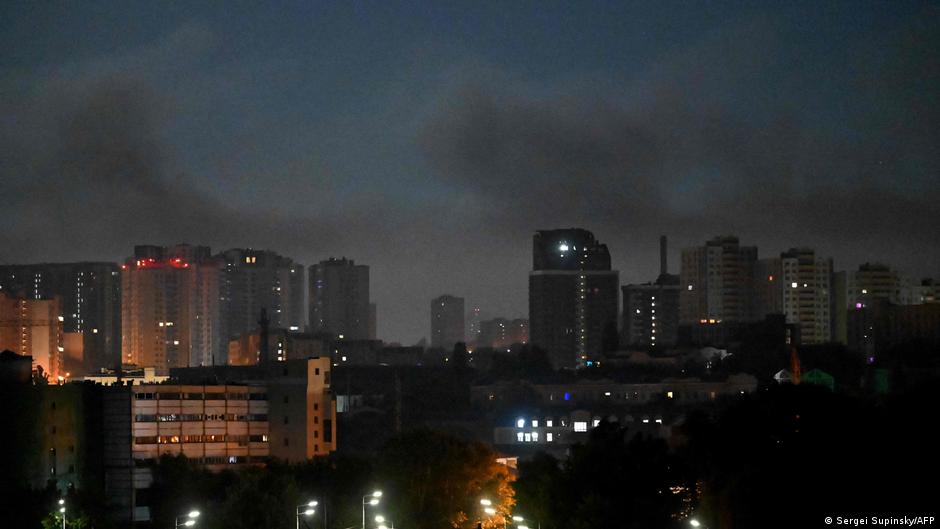
Power and water disruptions in Kyiv and Lutsk renew scrutiny of business continuity, infrastructure resilience and board oversight in Ukraine.

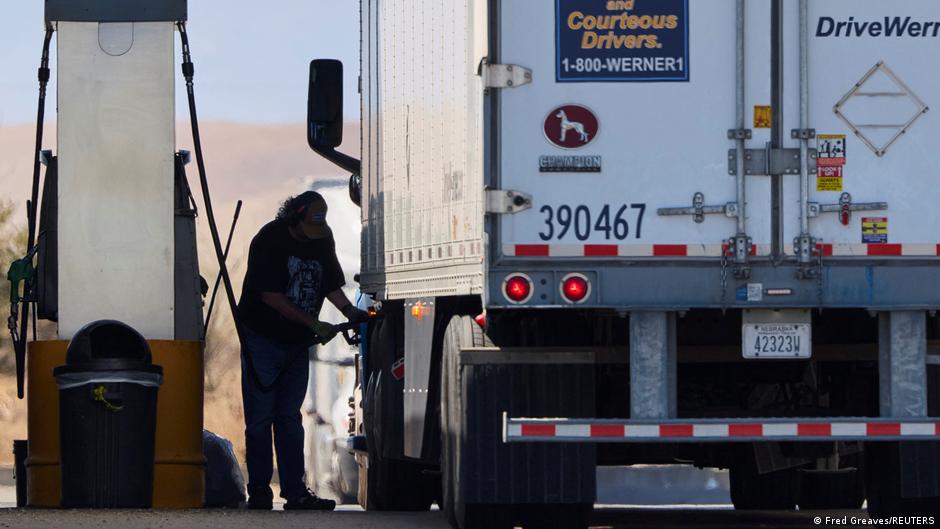
A bipartisan Senate group says Trump’s Russian diesel deal would aid Putin’s war effort while doing little to lower U.S. fuel prices.

The Trump administration is reportedly using Ukraine’s PURL weapons pipeline as leverage to stop Kyiv’s strikes on Russian oil refineries.

Germany’s 1.4 million long-term Bürgergeld recipients intensify debate over work requirements, labor supply and corporate strategy.

EU lawmakers backed a €115 million Agile program to support defense startups and scale-ups developing disruptive technologies.

A reported fire at a Russian plant housing a Yandex data center highlights cloud resilience, sanctions exposure and strategic infrastructure risk.

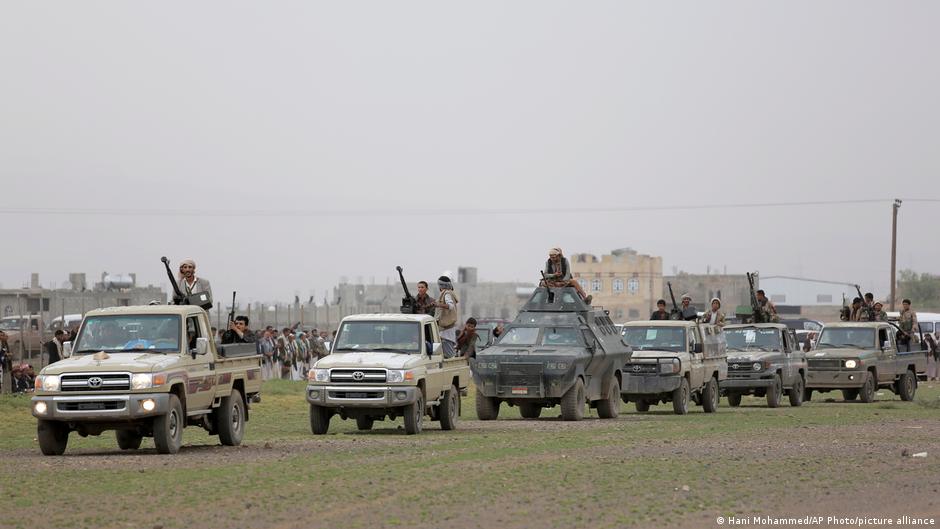
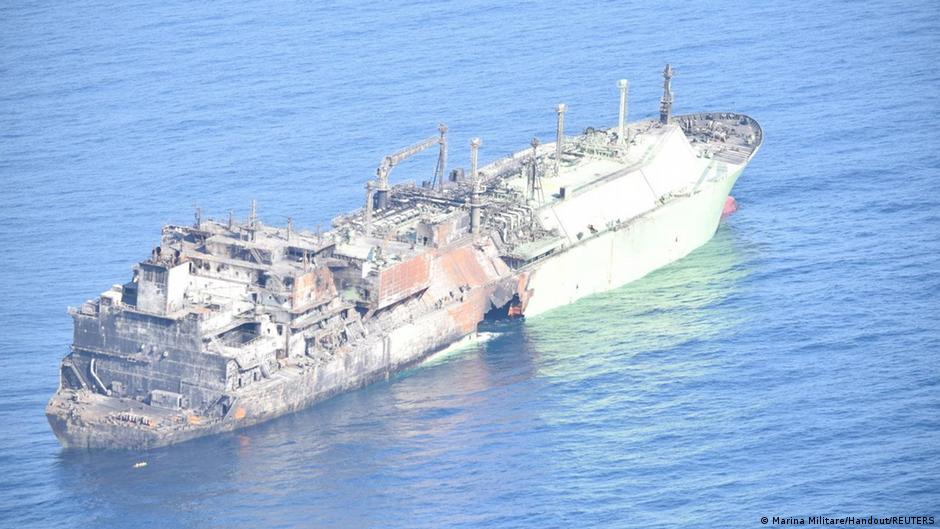
Yemen’s renewed anti-Houthi offensive is raising boardroom concerns over Red Sea shipping, energy infrastructure and regional defense commitments.

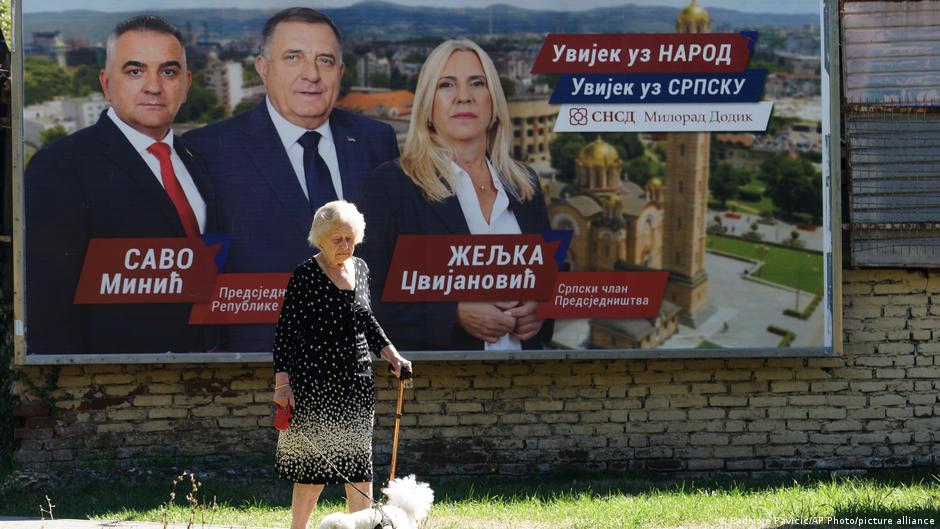
Ruling-party candidates and Dodik allies prevailed in Bosnia and Herzegovina, reinforcing political continuity in Republika Srpska.

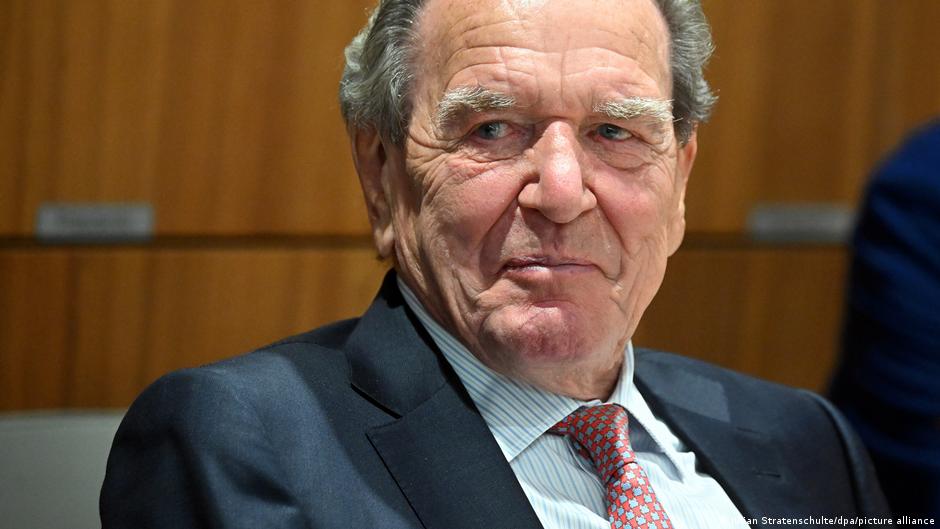
Gerhard Schröder’s Hyperglobus role has sparked German criticism over lobbying, Russia exposure and corporate strategy.

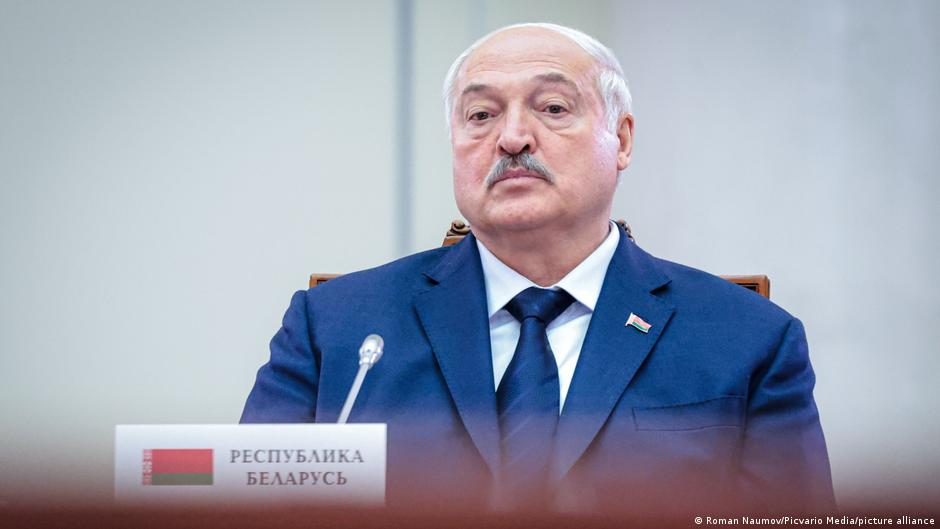
Maria Kolesnikova says Europe should use U.S.-style diplomacy and sanctions leverage to free Belarusian political prisoners and curb Russian influence.

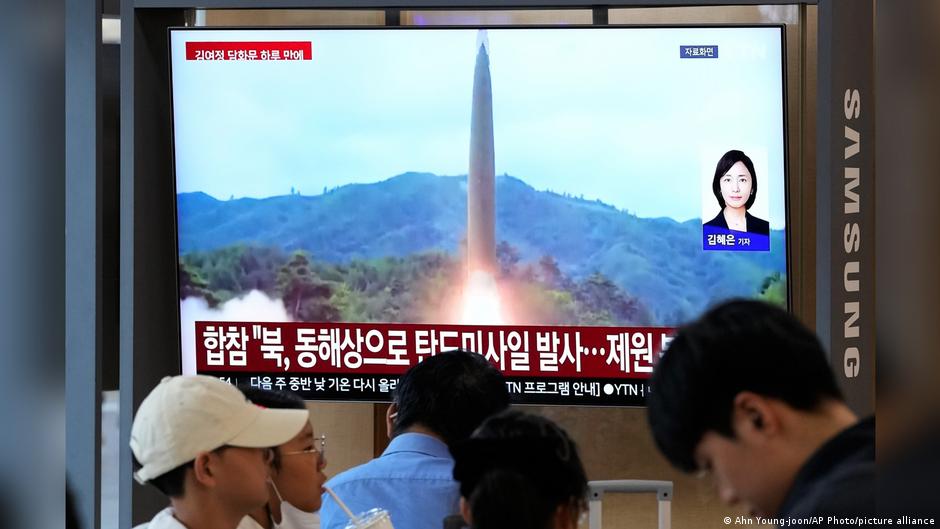
South Korea said North Korea fired at least one ballistic missile after a border blast, sharpening risk concerns for U.S.-Asia business planning.

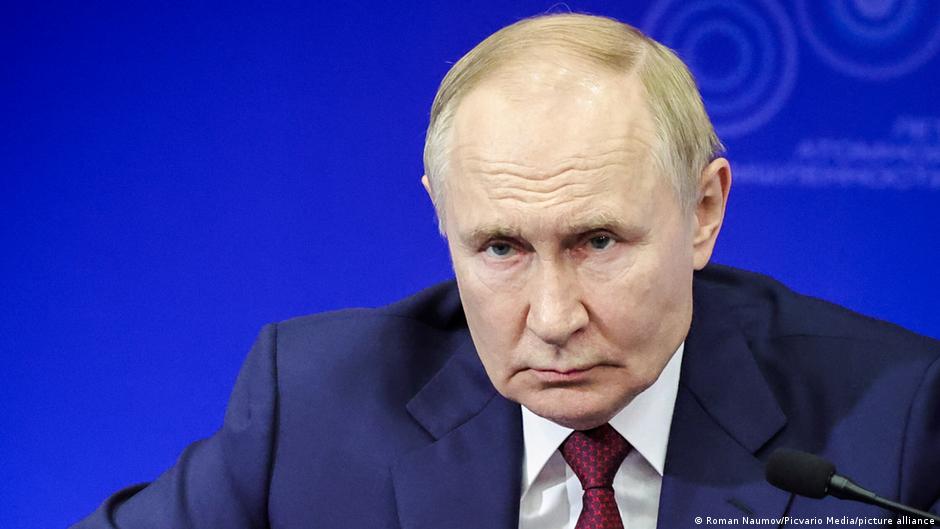
Putin’s Valdai speech renewed nuclear warnings and blamed the West for the Ukraine war, sharpening geopolitical risk for European business.

Trump’s AI agreement gives major tech firms a voluntary role in policing model risks while leaving future regulation on the table.

Dutch police detained a 24-year-old Amsterdam cybersecurity worker in a ShinyHunters probe after alleged FBI data theft claims.

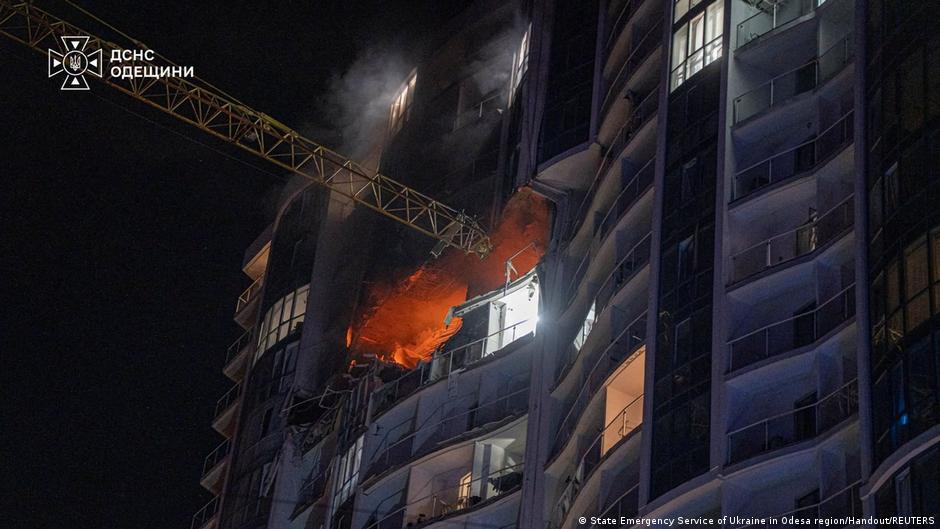
Russian drone attacks killed at least three civilians in Zaporizhzhia and hit port and civilian infrastructure in Odesa’s Kiliya.

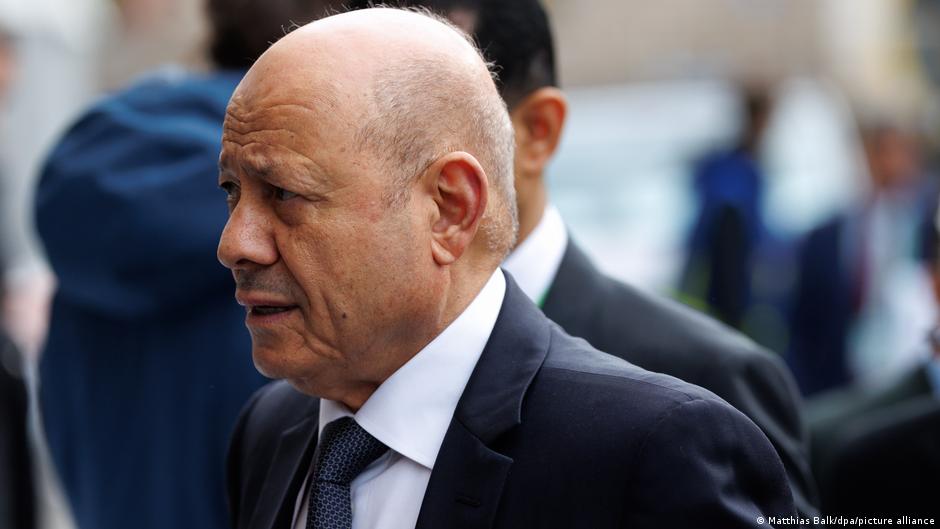
Yemen’s leader called for mobilization and offered amnesty to defecting Houthis as advances near Red Sea routes raise energy and trade risks.

Russia’s ship registry grew 36% as sanctioned shadow-fleet vessels shifted flags under pressure from tighter open registries.

U.S. and Iranian officials held mediated U.N.-sideline talks after Trump threatened Iran, raising stakes for sanctions, shipping and Gulf risk.

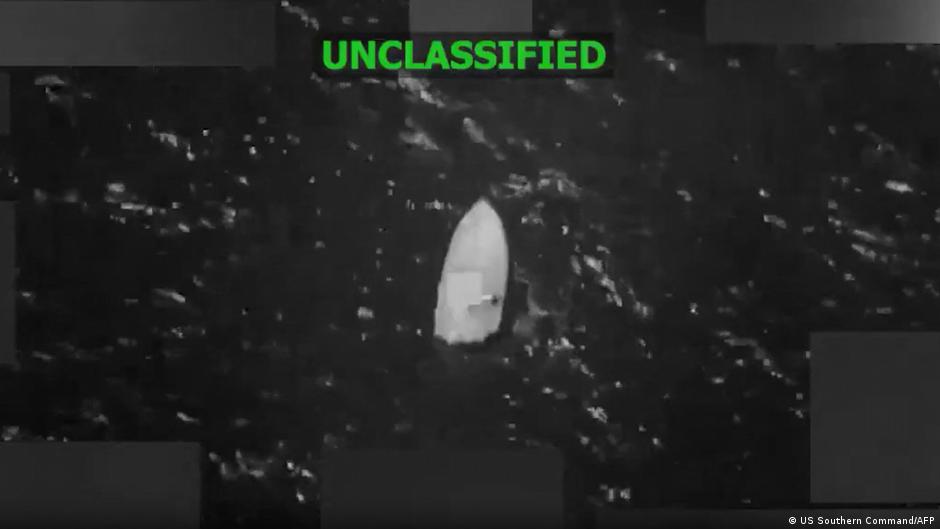
A new U.S. strike on an alleged drug vessel in the Caribbean adds pressure to a yearlong campaign facing legal and strategic scrutiny.

Russian attacks killed four people in Ukraine and damaged homes, an administrative building, a hospital site and warehouses across several regions.

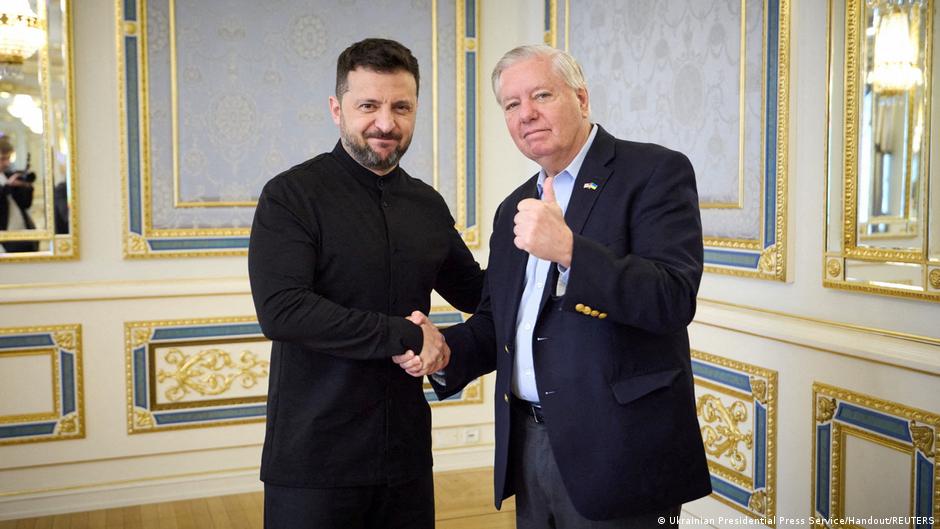
The House cleared debate on a Graham sanctions bill that would give Trump tariff powers targeting Russian energy buyers.

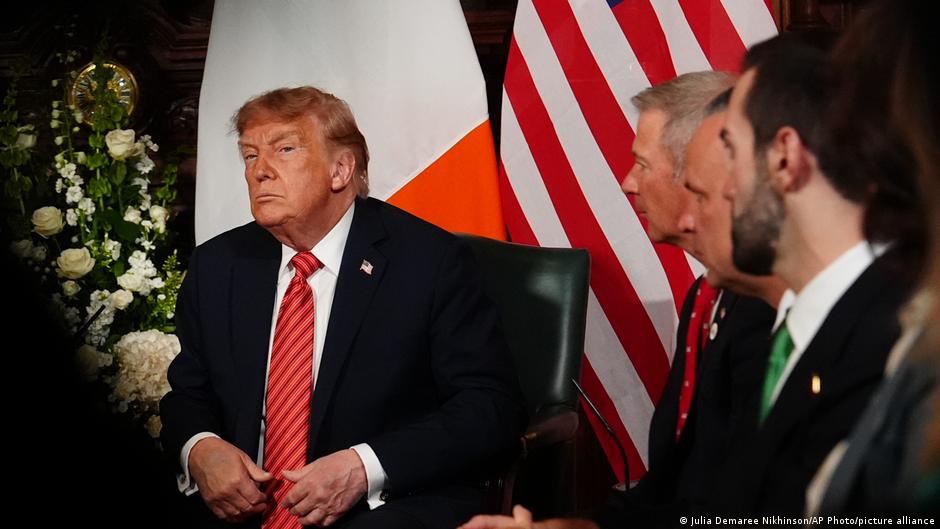
Trump said the U.S. will remove a 10% tariff on Irish whiskey, a move welcomed by producers but still dependent on full implementation.

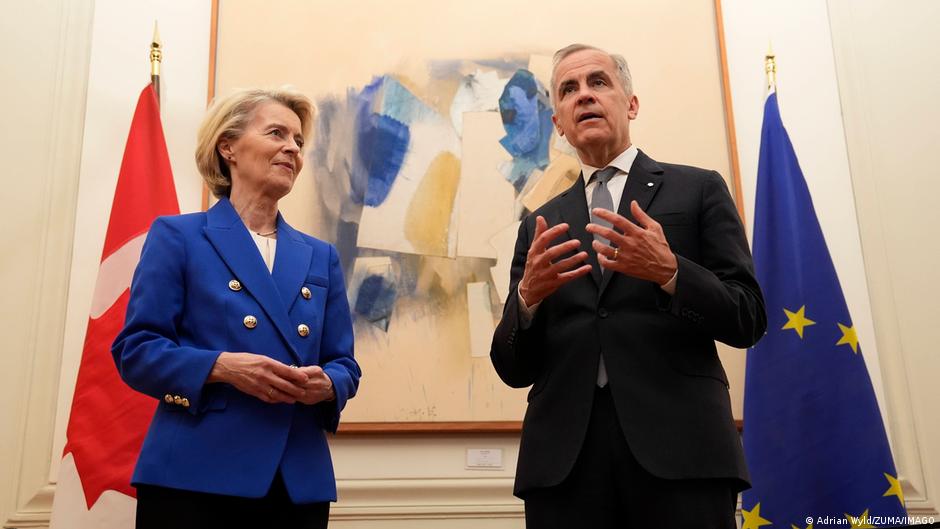
Canada is in talks to join the EU’s €90 billion Ukraine loan program as Carney seeks deeper ties with Europe and less reliance on the U.S.

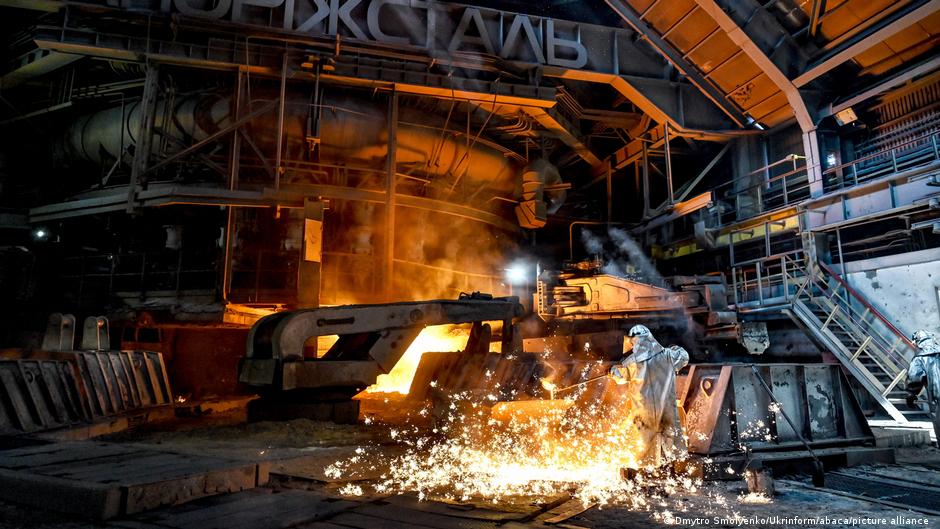
Metinvest-owned Zaporizhstal says damage is critical after a third Russian missile strike in a month, deepening production and workforce risks.

Russia is expected at the G20 energy meeting in Houston, adding sanctions, security and corporate risk questions to the agenda.

A first reported drone strike on Russia’s Yamal gas region raises new security and strategy questions for energy executives.

A drone attack on Novorossiysk reportedly caused fires at a fuel oil terminal and residential building, renewing concerns over Russia’s key export hub.

CENTCOM said U.S. forces destroyed five Iranian oil tankers after ballistic missile attacks on a Navy ship, escalating risks around Hormuz.

Finland has completed a 200-kilometer fence on its border with Russia, underscoring how security risks are reshaping infrastructure strategy.

Germany plans a broad anti-sabotage shield that would enlist critical infrastructure companies in drone and cyber defense.

Witkoff and Kushner are taking Trump’s Ukraine peace initiative from Moscow to Kyiv after talks the White House said covered concrete next steps.

Putin said peace is possible through direct Russia-Ukraine talks, while Zelensky said Trump envoys will visit Kyiv and Moscow to discuss a possible deal.

Uzbekistan’s decade of reforms has changed registration, licensing, tax and legal protections, reshaping the strategic calculus for companies.

Foreign investment in Germany rose to 86 billion euros in 2025, but a sharp drop in U.S. capital and a surge from the UK reshaped the market.

Scott Bessent reportedly told Anton Siluanov that the U.S. will not ease pressure on Russia before the war in Ukraine ends, reinforcing a hard line for business.

Drone attacks on Ozon logistics centers in Krasnodar and Stavropol caused fires and casualties, forcing operational suspensions and raising security concerns for the e-commerce giant.

Russia has expanded eligibility for operating public transport to include people missing limbs, enabling veterans with injuries to join the workforce amid evolving labor and inclusion policies.

Finland summoned the Russian ambassador after a Russian Il-20 reconnaissance plane briefly entered its airspace, highlighting rising regional security challenges.

Latvia publicly lists 170 companies still trading with Russia and Belarus, spotlighting corporate strategies amid war and sanctions.

Ella Pamfilova urges revoking voting rights of Russian emigrants labeled as foreign agents, signaling legislative changes with broad governance and business implications.

Support for Germany's CDU/CSU has fallen to 20%, the lowest in five years, while the far-right AfD leads at 28%, signaling shifting political dynamics ahead of key state elections.

Russian military attacks across eastern Ukraine have killed four civilians, injured several others, and damaged critical infrastructure, raising operational risks for regional businesses.

Russian banks' websites are flagged as insecure by major international browsers due to revoked TLS/SSL certificates amidst Western sanctions, complicating global access and cybersecurity strategy.

Russian ballistic missile attacks on Kyiv killed at least nine people and injured 23, severely impacting residential districts and industrial enterprises, raising critical security and corporate risk concerns.

Belarus orders underperforming agricultural workers into military service amid harvest season, linking labor discipline to national security and raising corporate strategy concerns.

The U.S. Senate advances a bipartisan sanctions bill empowering the President to impose steep tariffs on Russia, impacting energy trade and corporate risk strategies.

Austria plans to extend mandatory military service to nine months, enhancing training and pay amid growing security threats and geopolitical tensions in Europe.