Russian Regions Restore Gasoline Limits as Refinery Strikes Strain Supply
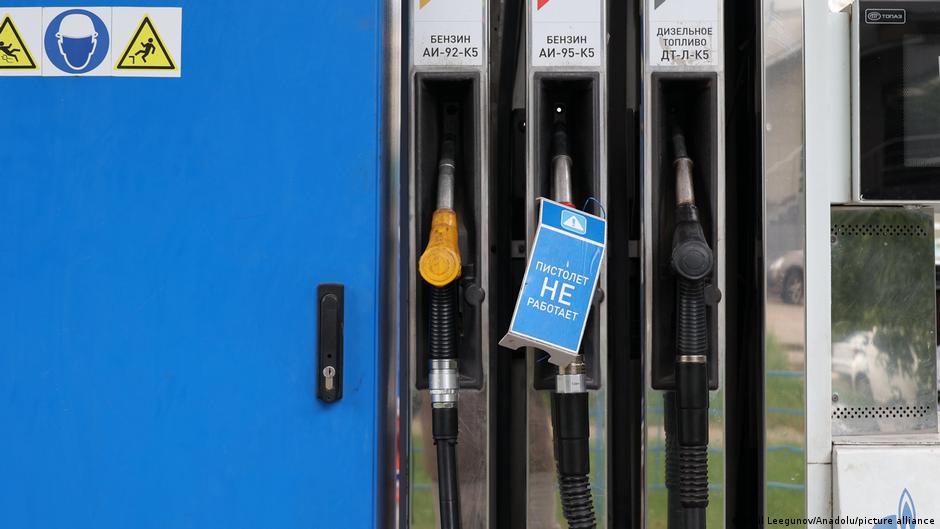
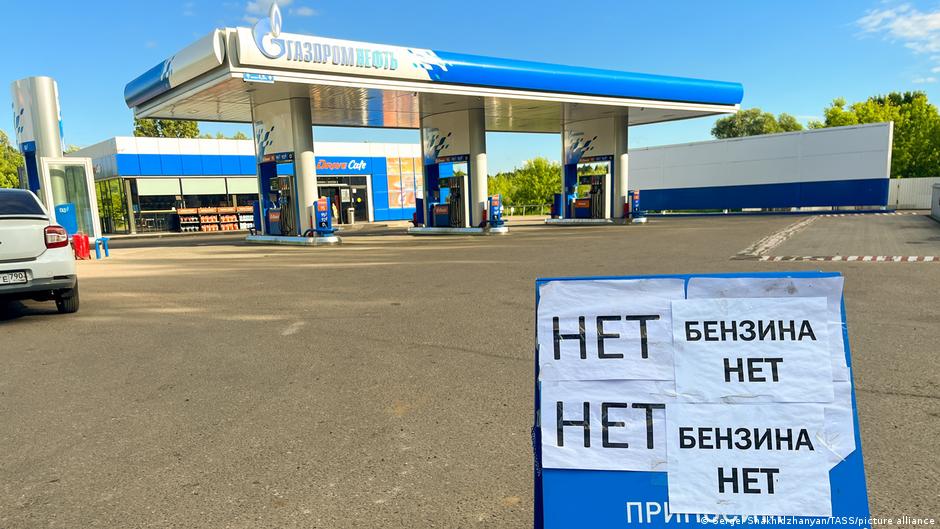
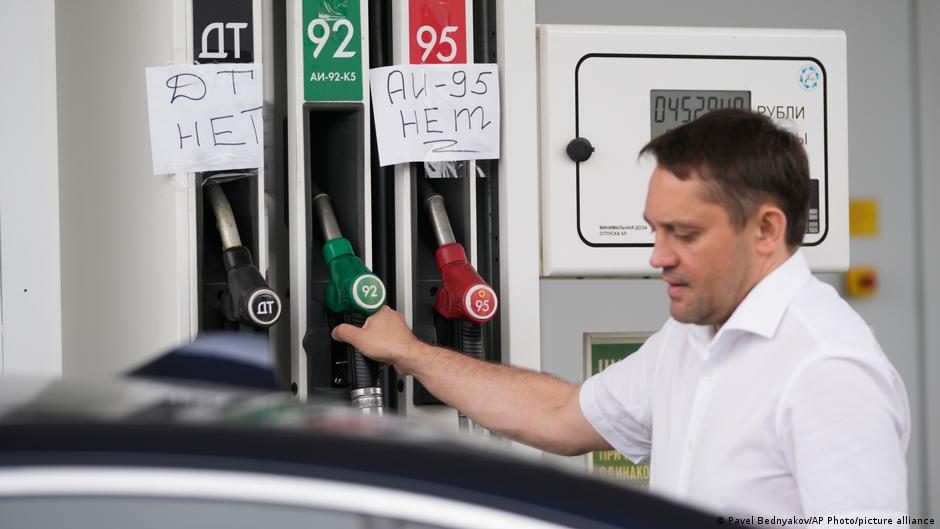
Kaluga and Zabaykalsky Krai are restoring gasoline limits as refinery strikes and supply disruptions deepen Russia’s fuel-market strain.

Kaluga and Zabaykalsky Krai are restoring gasoline limits as refinery strikes and supply disruptions deepen Russia’s fuel-market strain.

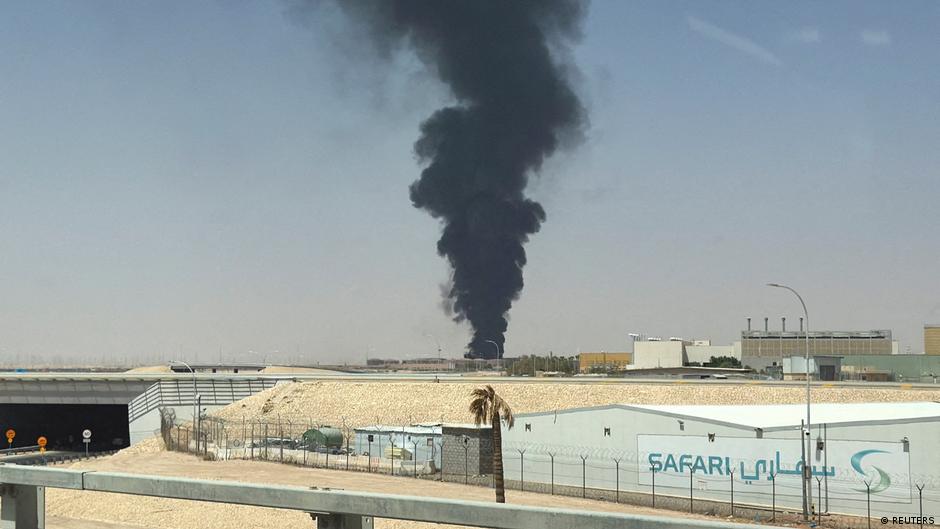
Saudi Arabia said it intercepted a Houthi ballistic missile aimed at Riyadh as attacks pressure Aramco infrastructure and Red Sea export routes.

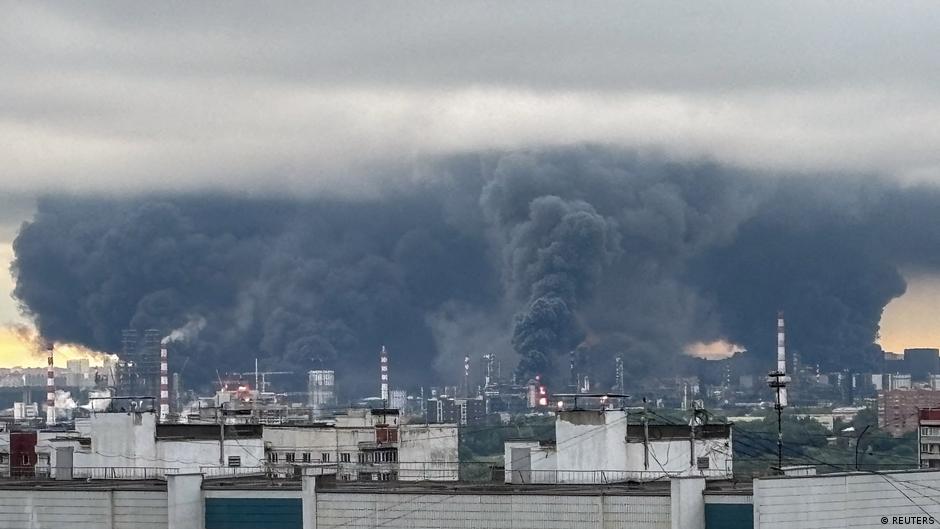
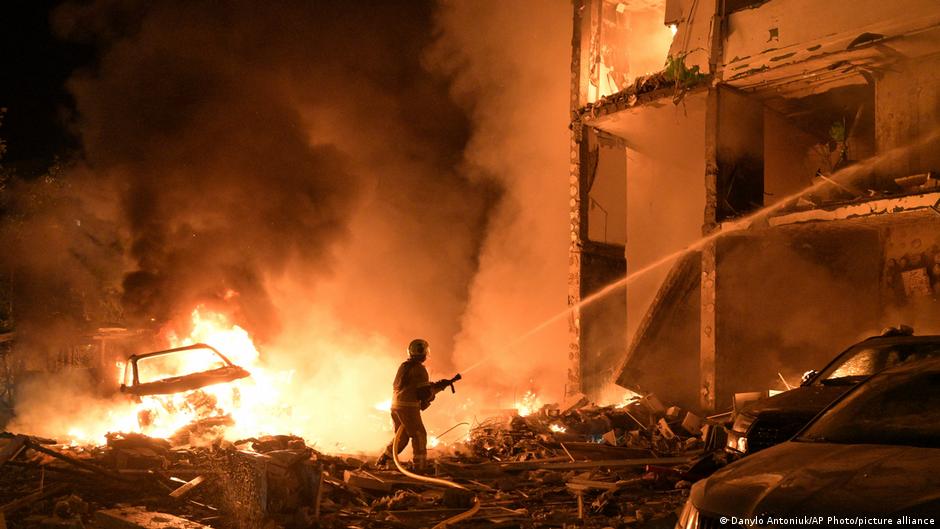
Officials reported two deaths, fires, refinery damage and airport suspensions after a major drone attack on Moscow and its region.

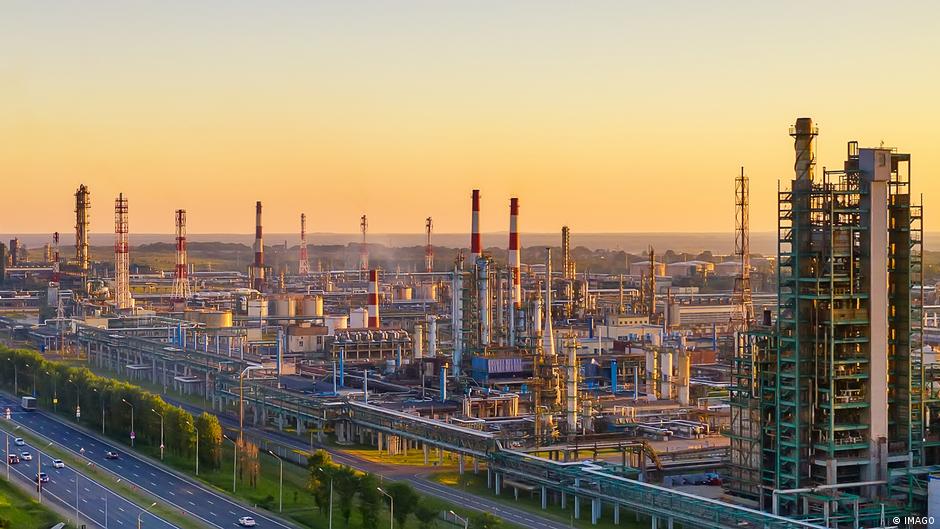
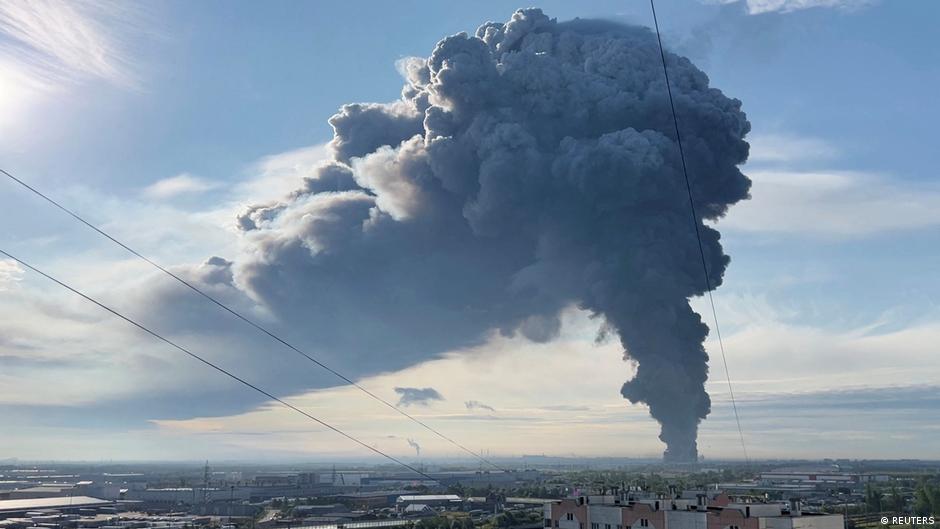
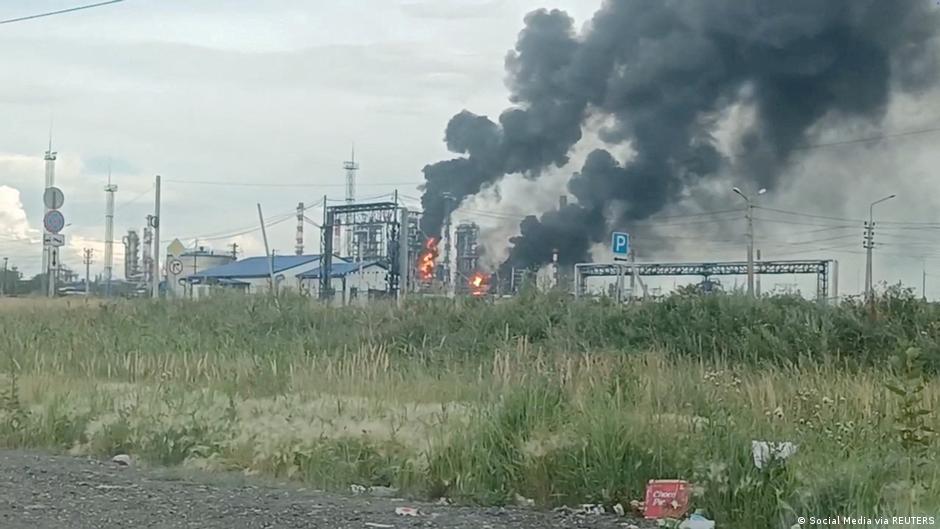
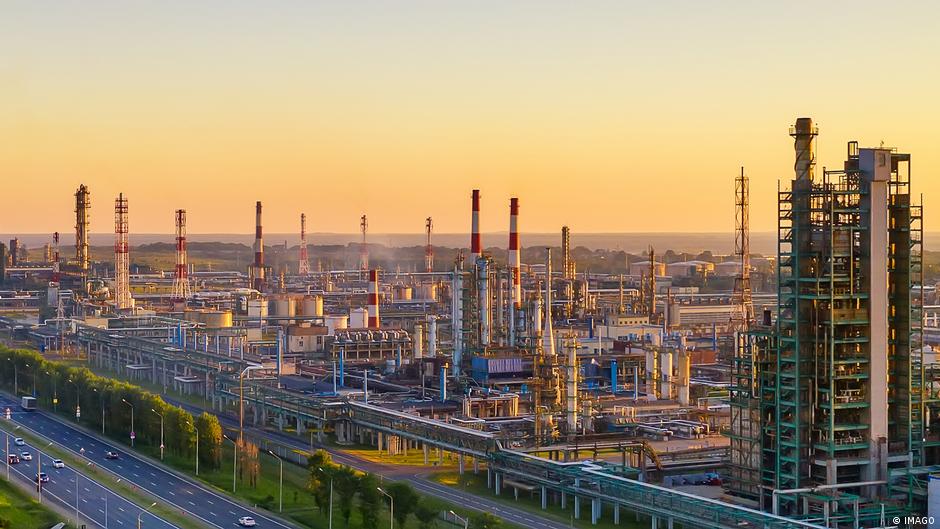
The YANOS refinery in Yaroslavl halted crude processing and fuel shipments after drone strikes damaged major units, adding pressure to Russia’s fuel market.

Russia permits sale of lower-grade Euro-2 to Euro-4 fuels until 2027 amid refinery disruptions, balancing fuel availability with environmental concerns.

Ukraine’s Security Service reported a 40-day operation striking over 100 strategic Russian targets, focusing on military and energy infrastructure to pressure Russia toward peace.

Russia’s oil product production index fell nearly 22% in June amid operational disruptions from conflict-related attacks, impacting supply and pricing dynamics.

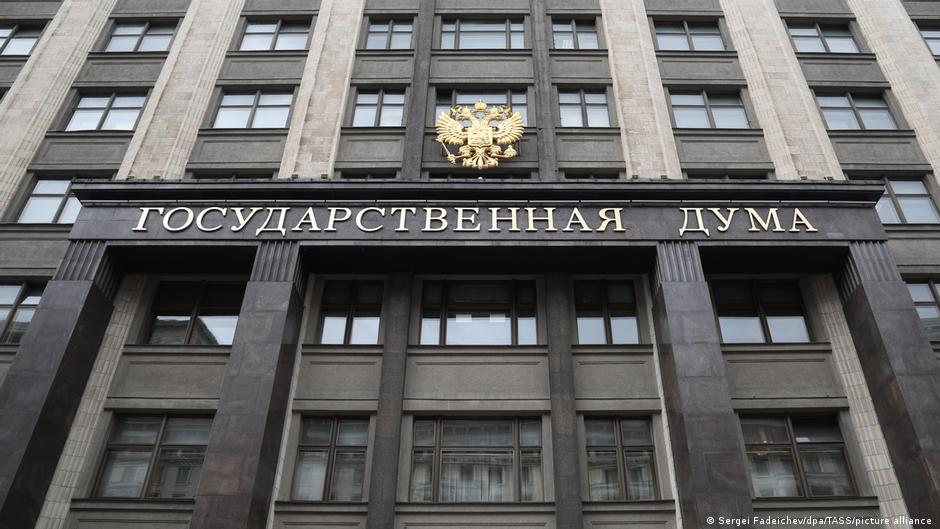
The Russian State Duma amended the fuel dampener and trading rules to enhance domestic fuel supply and price stability amid export restrictions and refinery disruptions.

Russian missile strikes on Kyiv injure six amid record civilian casualties; Ukraine escalates drone attacks on Russian oil refineries, signaling intensifying conflict dynamics.

The Saratov refinery has halted operations after Ukrainian drone strikes damaged its primary processing unit, worsening fuel shortages in Russia amid ongoing refinery attacks.

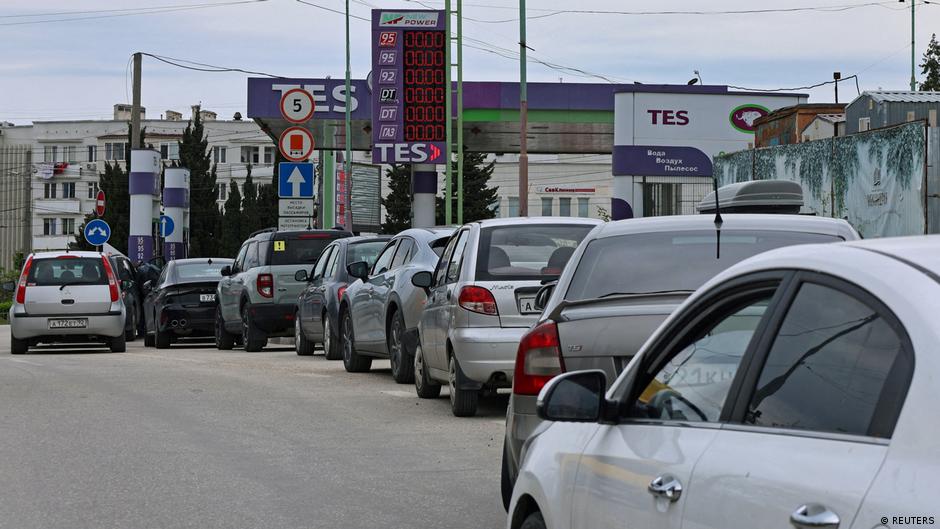
Gasoline prices in annexed Crimea have surged by nearly 80% in early July amid Russia’s fuel supply crisis and export restrictions.

Russia permits sale of Euro-3 standard fuels domestically through 2026 to mitigate supply shortages caused by refinery disruptions and attacks.

In June 2024, Russian drone and missile strikes on Ukraine dropped significantly, raising questions about Russia’s military production and strategic intentions.

Russia's aviation fuel imports from Belarus surged nearly fourfold amid domestic refinery disruptions and export bans, prompting strategic shifts in energy supply management.

Russia’s maritime oil exports have reached a 2026 peak amid US sanctions shifts and rising competition from Iran, but falling prices and refinery attacks threaten revenue growth.

The US has imposed sanctions on five Cuban state-owned firms controlling 40% of GDP, targeting GAESA-linked entities and escalating tensions amid legal claims by American companies.

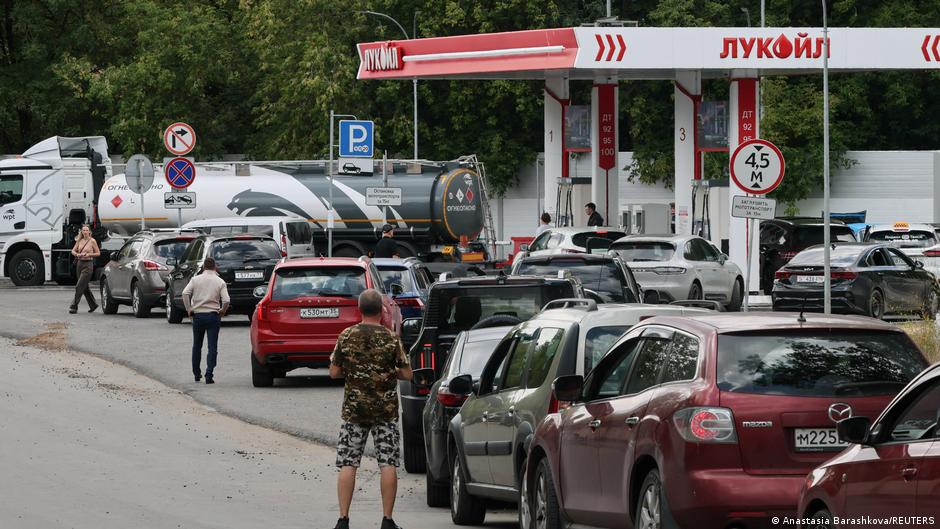
Russian regions are facing fuel rationing due to Ukrainian drone strikes on oil refineries, with over 50 areas imposing gasoline sales limits amid operational disruptions.

Germany's Economy Minister urges Turkey to exclude Russian gas from future EU energy deals, highlighting geopolitical and business strategy shifts amid ongoing conflicts.

Russia plans to impose 1-2 month export restrictions on diesel and jet fuel following drone attacks that disrupted refinery operations, aiming to stabilize the domestic fuel market.

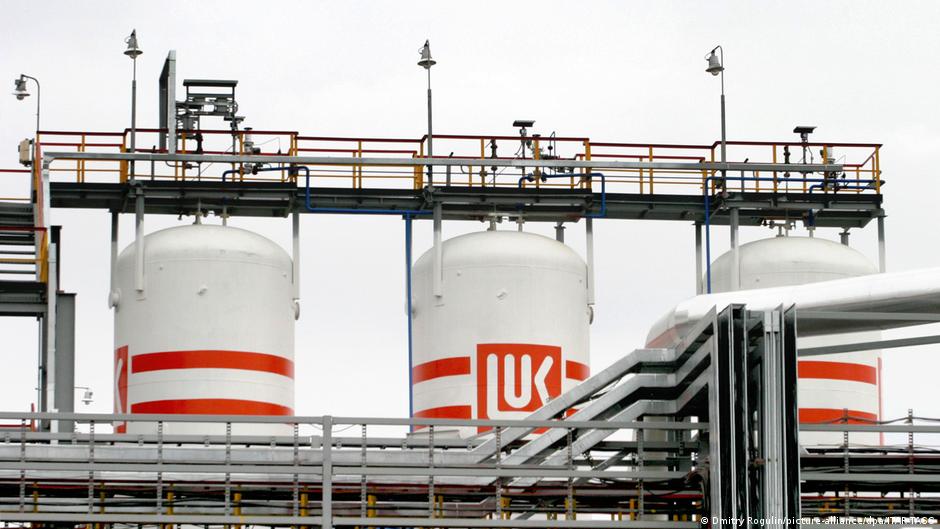
Lukoil's Nizhny Novgorod refinery cut over half its processing capacity after Ukrainian drone attacks, affecting about 25% of Russia’s oil refining output.

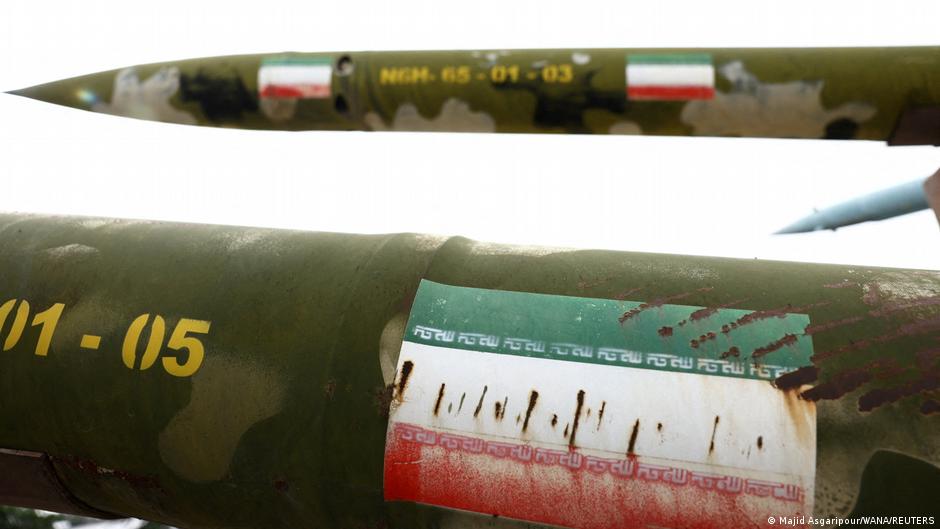
Iran launched a significant missile and drone attack on UAE targets, breaking a month-long ceasefire and prompting strong international condemnation and strategic reassessments.