Russia’s Oil Product Output Drops Nearly 22% in June Amid Operational Challenges
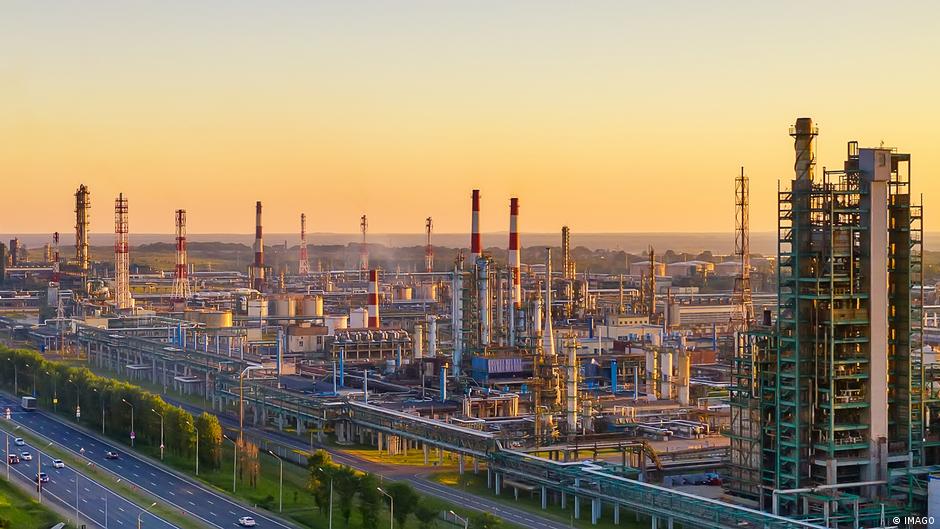
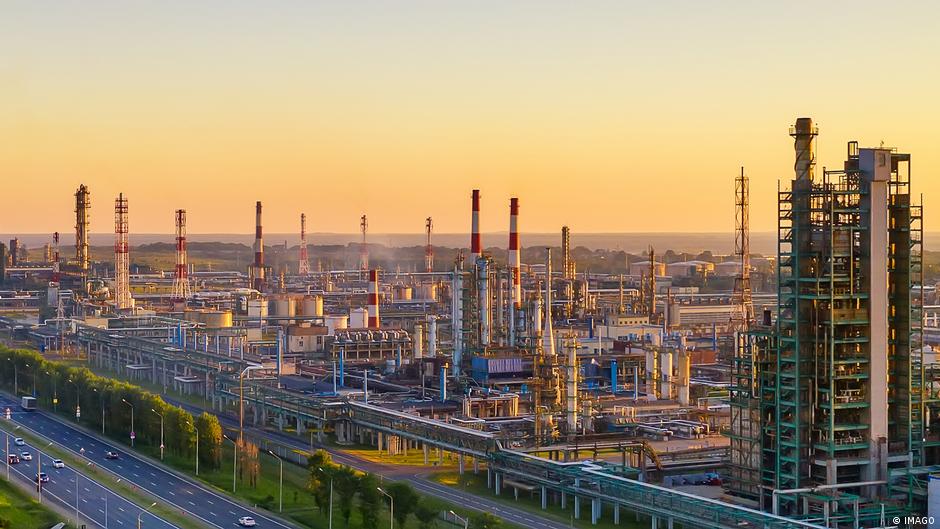
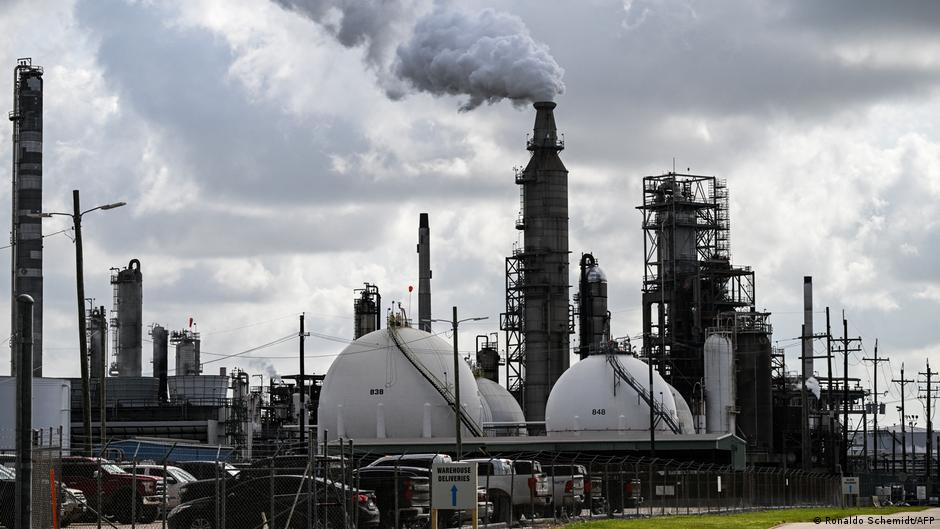
Russia’s oil product production index fell nearly 22% in June amid operational disruptions from conflict-related attacks, impacting supply and pricing dynamics.

Russia’s oil product production index fell nearly 22% in June amid operational disruptions from conflict-related attacks, impacting supply and pricing dynamics.

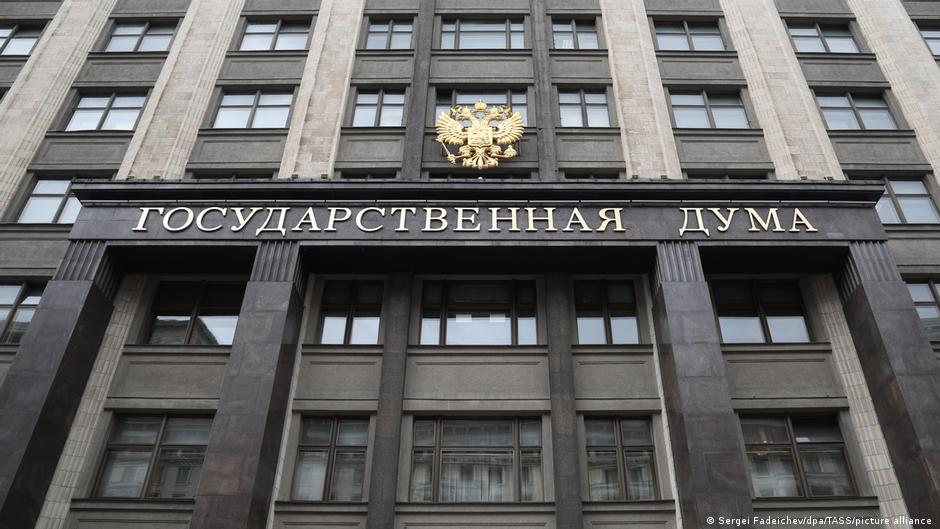
The Russian State Duma amended the fuel dampener and trading rules to enhance domestic fuel supply and price stability amid export restrictions and refinery disruptions.

President Zelensky has nominated Sergey Koretsky as Ukraine's new prime minister, with parliament expected to approve the government reshuffle on July 16, including key defense ministry changes.

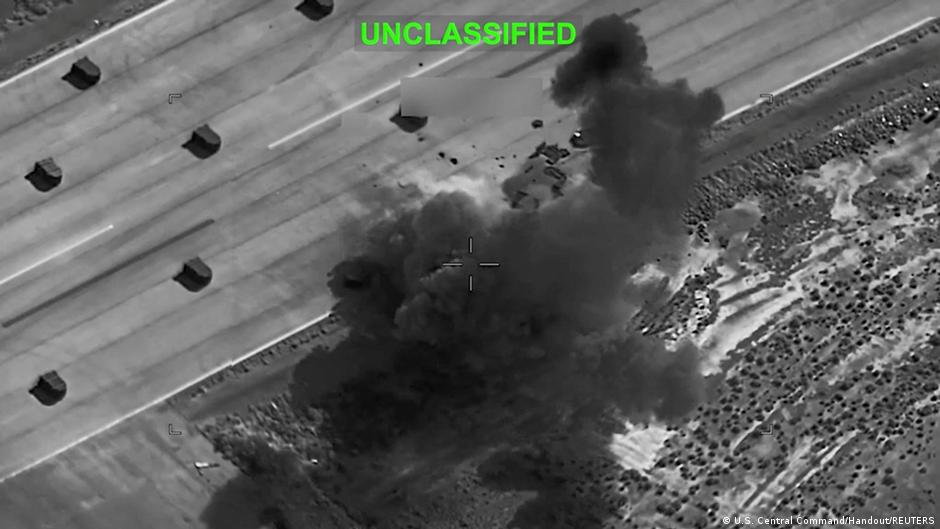
The US launched a third wave of strikes on Iran after the IRGC attacked a civilian container ship in the Strait of Hormuz, leading to the strategic waterway's closure and escalating regional tensions.

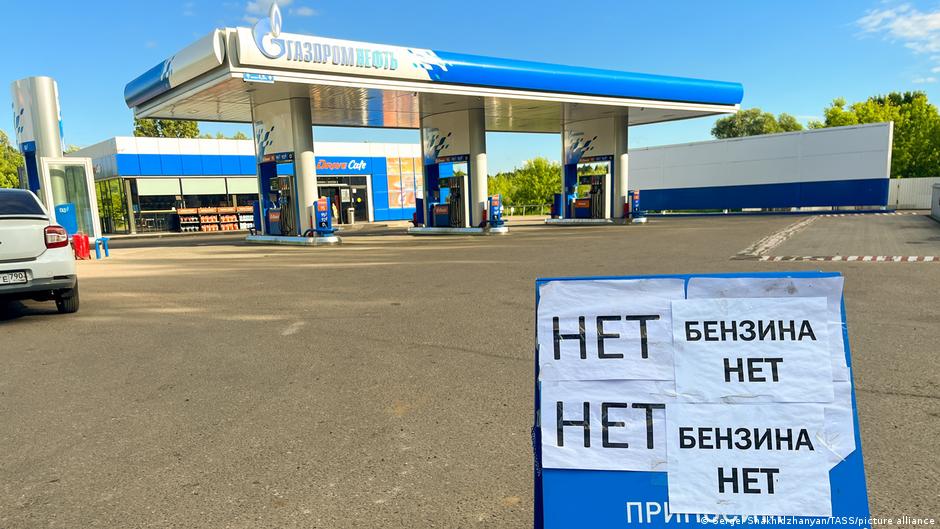
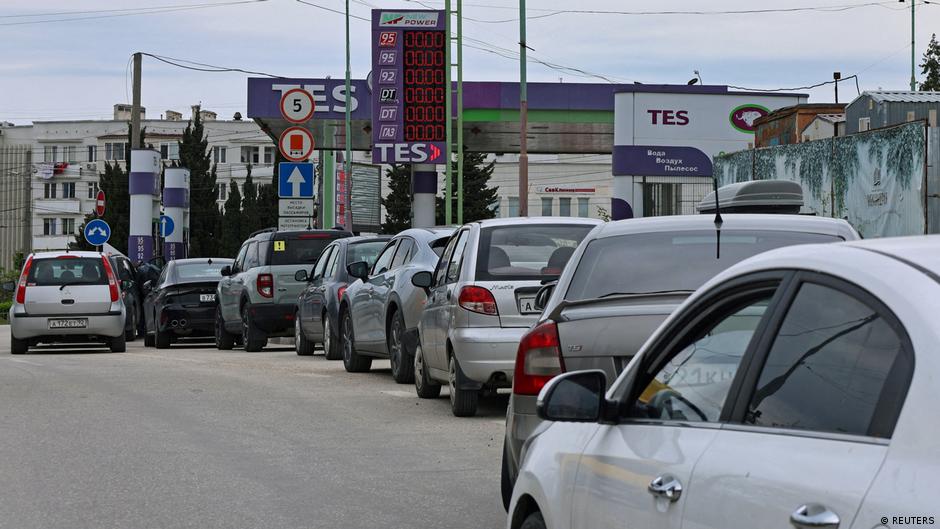
Gasoline prices in annexed Crimea have surged by nearly 80% in early July amid Russia’s fuel supply crisis and export restrictions.

Gazprom has contracted with Russia's Ministry of Defense to form mobile security units protecting gas infrastructure, allowing employees to serve without losing civilian jobs.

Russia permits sale of Euro-3 standard fuels domestically through 2026 to mitigate supply shortages caused by refinery disruptions and attacks.

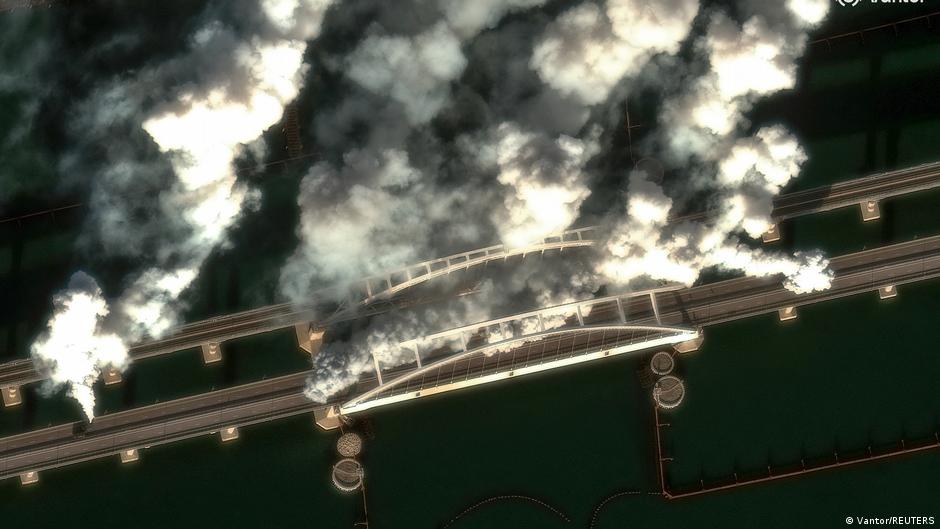
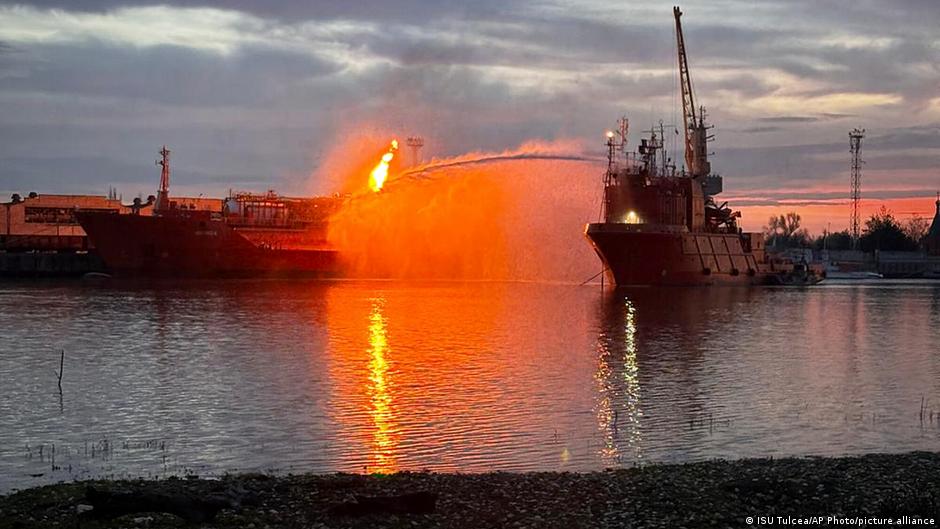
A drone attack has caused a major fire at the Poltavskaya oil depot near Krasnodar, disrupting critical fuel supplies and highlighting vulnerabilities in Russia's regional energy infrastructure.

Russian regions are facing fuel rationing due to Ukrainian drone strikes on oil refineries, with over 50 areas imposing gasoline sales limits amid operational disruptions.

G7 leaders commit to new sanctions on Russian energy and expand military aid to Ukraine, aiming to intensify economic pressure and support Ukraine's defense capabilities.

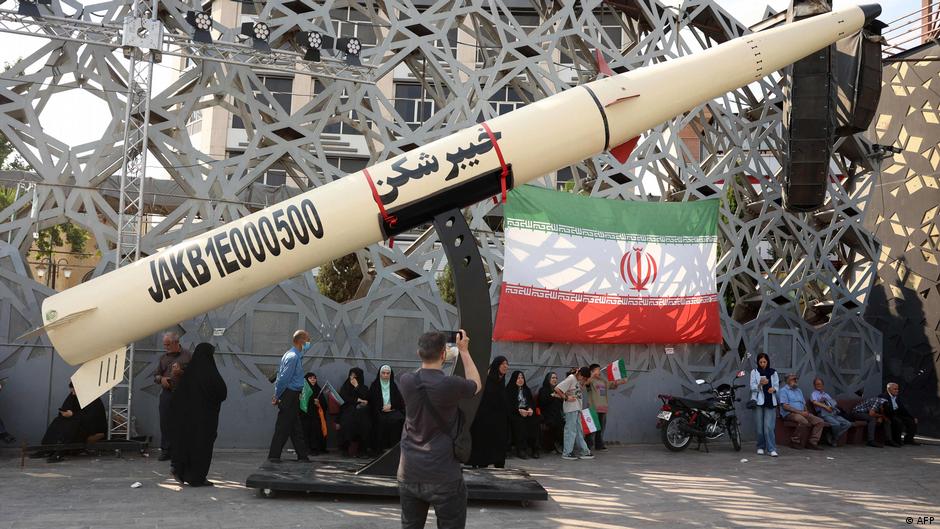
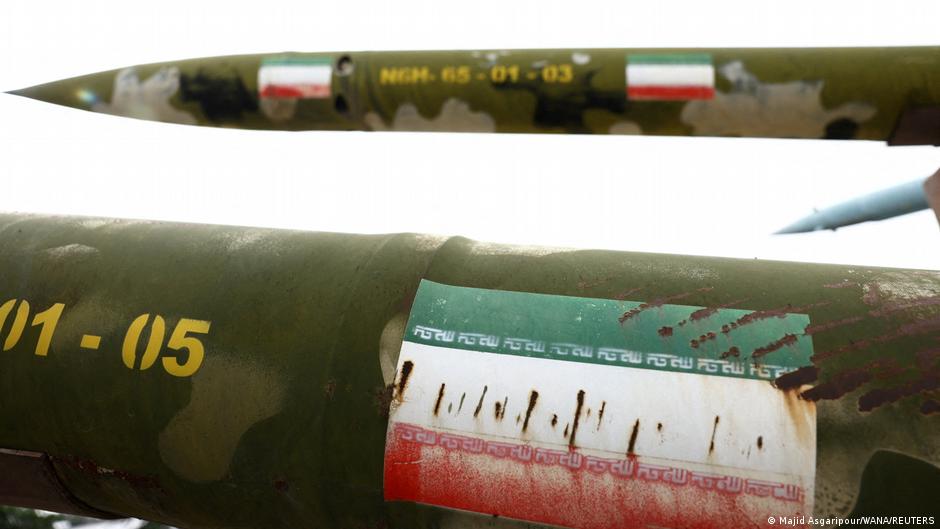
Intelligence reports reveal Iran restored much of its missile arsenal during a ceasefire, potentially with recent Russian missile deliveries, complicating U.S. strategic decisions.

The U.S. has sanctioned Cuba’s state oil company CUPET, intensifying pressure on the communist regime amid a severe economic crisis worsened by disrupted Venezuelan oil supplies.

US Treasury extends deadline for MOL to complete negotiations for acquiring Gazprom’s stake in Serbian oil refiner NIS, amid sanctions and regional energy shifts.

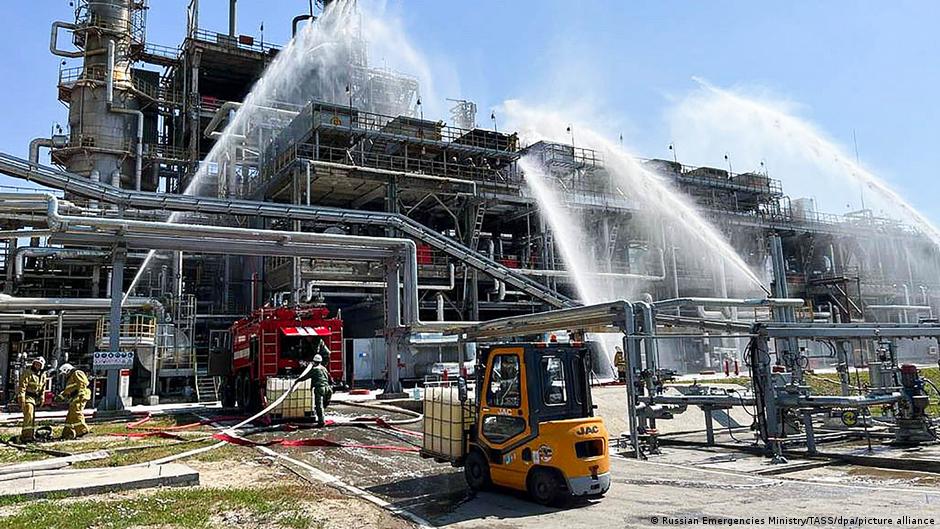
Drone strikes in Russia’s Rostov and Saratov regions caused fires at fuel storage and refining facilities, highlighting growing risks to energy infrastructure and corporate operations.

Russia plans to impose 1-2 month export restrictions on diesel and jet fuel following drone attacks that disrupted refinery operations, aiming to stabilize the domestic fuel market.

Donald Trump demands Iran’s enriched uranium be destroyed either in the US or on-site under IAEA supervision to prevent nuclear weapons development.

The UK has issued an indefinite license permitting imports of diesel and kerosene derived from Russian oil via third countries, signaling a strategic shift amid global energy challenges.

Recent Russian strikes have damaged critical Ukrainian port and energy infrastructure, challenging corporate strategies in logistics and energy sectors amid ongoing conflict.

The US Treasury has ended its temporary waiver on sanctions for Russian oil shipments, prompting strategic reassessments among energy sector executives and boards.

Global oil stocks fell by a record 200 million barrels in April despite declining demand, driven by Middle East conflicts and supply disruptions, signaling rising prices ahead.

Iran launched a significant missile and drone attack on UAE targets, breaking a month-long ceasefire and prompting strong international condemnation and strategic reassessments.

Russian forces launched coordinated drone strikes overnight on multiple Ukrainian regions, targeting energy infrastructure and residential buildings with significant civilian casualties reported.

Trump’s threats against Iran have pushed Brent and WTI oil prices sharply higher, underscoring the impact of geopolitical tensions on global energy markets and corporate strategies.

The US Treasury announced it will not extend temporary sanctions waivers allowing purchases of Russian and Iranian oil shipments, signaling a strategic enforcement shift with broad implications for global energy markets.