Macron Presses EU for Under-15 Social Media Ban After French Legal Setback
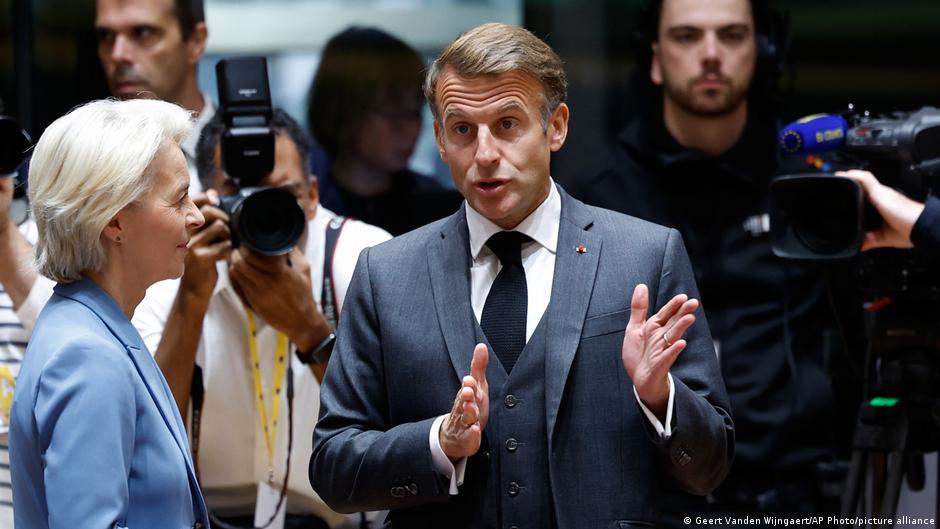
Macron is seeking an EU-wide ban on social media use by children under 15 after France’s Constitutional Council blocked a national law.

Macron is seeking an EU-wide ban on social media use by children under 15 after France’s Constitutional Council blocked a national law.

AfD’s projected win in Saxony-Anhalt drew alarm from Poland and France, praise from Czechia, and new political-risk questions for Europe.

Kaja Kallas shelved an EU defense expert group after Germany and Italy objected, exposing governance tensions over Europe’s defense strategy.

Germany plans a broad anti-sabotage shield that would enlist critical infrastructure companies in drone and cyber defense.

Latvia says a suspect in the Leipzig airport sabotage case had lived in Russia, as the investigation deepens scrutiny of aviation, logistics and security.

Putin told Pashinyan that Armenia’s move toward EU membership would effectively mean leaving the EAEU, sharpening the country’s strategic economic choice.

Foreign investment in Germany rose to 86 billion euros in 2025, but a sharp drop in U.S. capital and a surge from the UK reshaped the market.

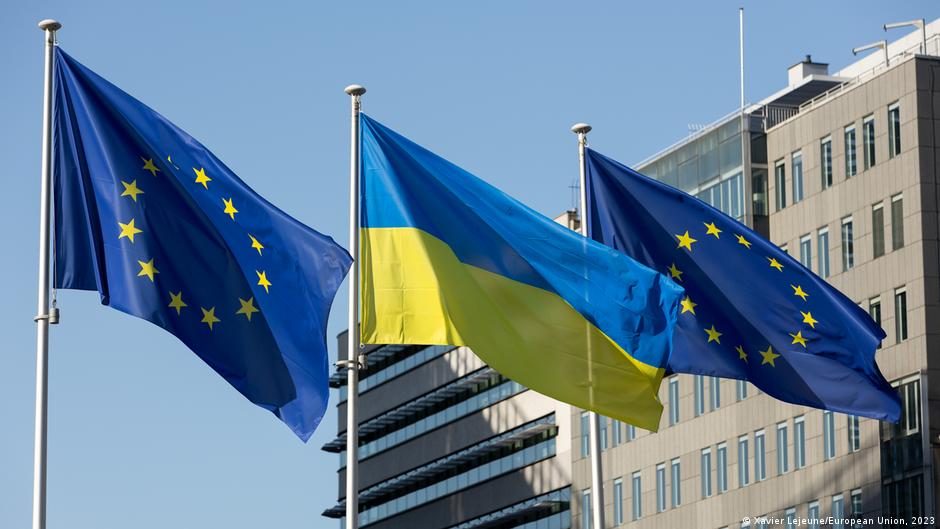
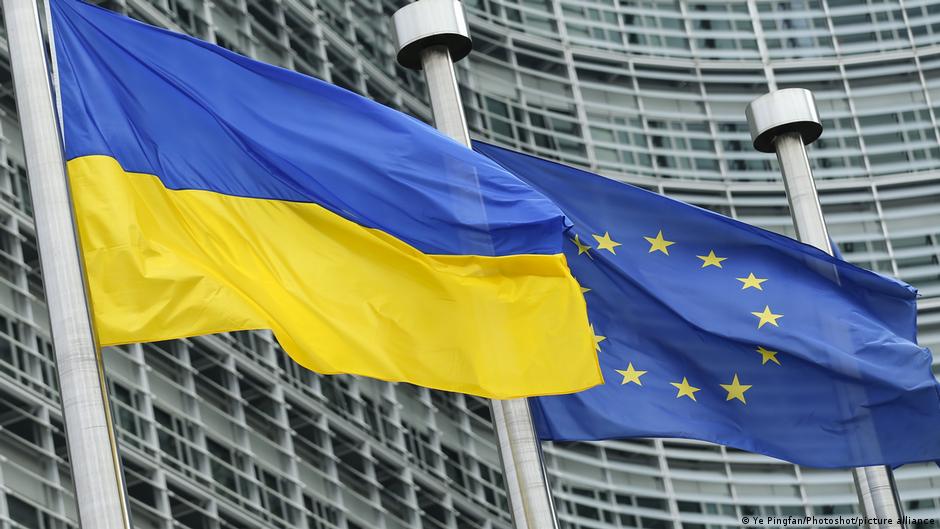
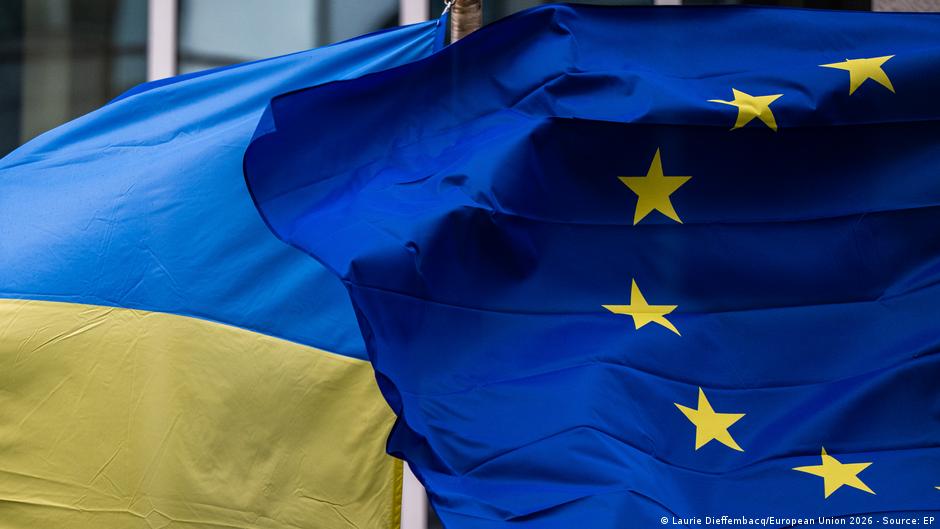
European Council President António Costa reiterates the EU's enduring support for Ukraine, emphasizing sanctions on Russia and Ukraine's future EU integration amid ongoing war and reconstruction.

Russia established a shadow aviation network to bypass Western sanctions and sustain military logistics in Africa’s Sahel region, involving state and private carriers operating complex routes.

Latvia publicly lists 170 companies still trading with Russia and Belarus, spotlighting corporate strategies amid war and sanctions.

Serbia announces early parliamentary elections in October 2023 amid prolonged protests and corruption allegations against President Vučić's administration.

Jared Kushner met with Hamas leaders in Egypt to demand concrete disarmament steps amid ongoing Israeli-Palestinian tensions and regional diplomatic efforts.

Cl0p hacker group linked to Russia claims breaches at 50 companies including Philips, Shell, Fiserv and GE, raising urgent cybersecurity concerns for global business leaders.

The Trump administration has imposed tariffs up to 100% on imported drones and components to reduce reliance on foreign technology critical to national security.

Ukrainian President Zelensky's first post-war visit to Serbia includes talks with President Vucic focused on economic ties, security, and EU relations amid Serbia's complex stance on Russia.

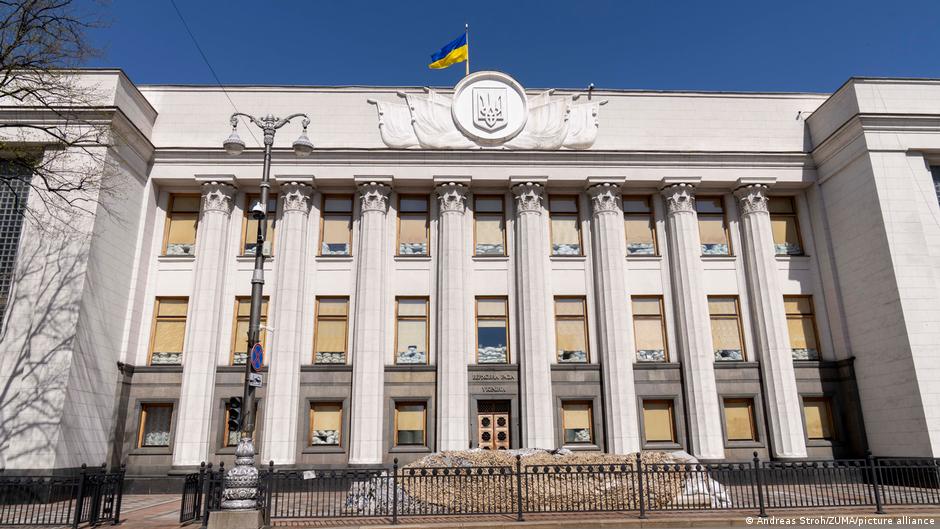
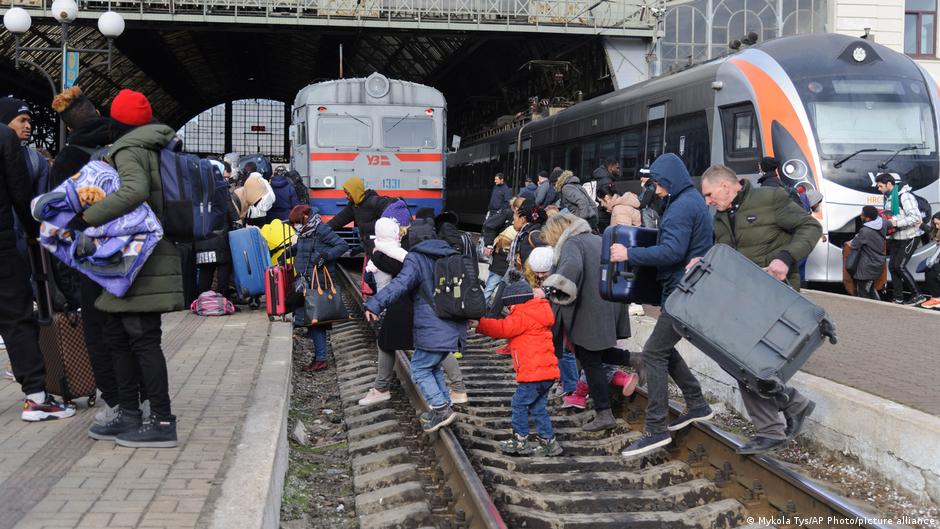
Ukraine’s Ombudsman reports over 8.4 million citizens living abroad in 2026, highlighting demographic shifts and policy challenges amid ongoing conflict.

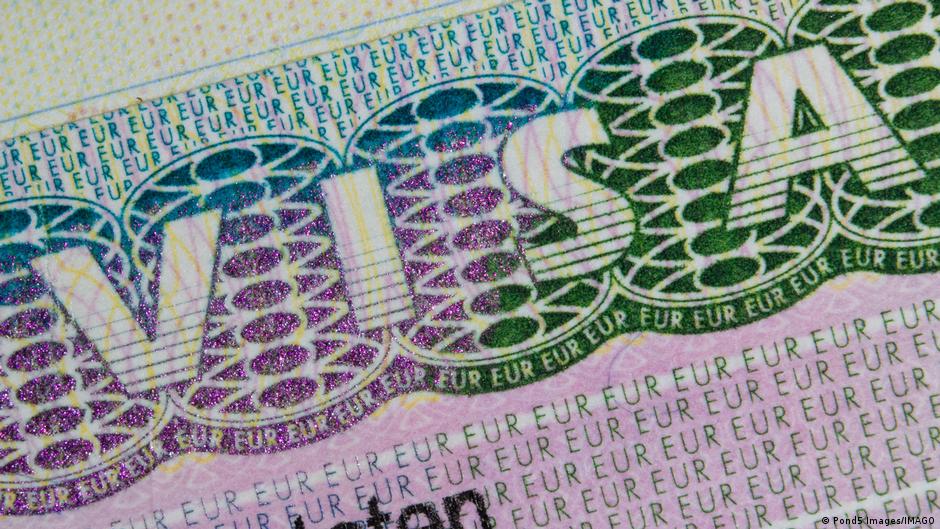
Greece has sharply increased Schengen visa denials for Russian tourists amid EU policy changes, impacting Russian travel companies and shifting market dynamics.

A Kremlin-linked bot network is spreading fabricated news to influence voter sentiment in key German state elections, targeting mainstream politicians with false accusations.

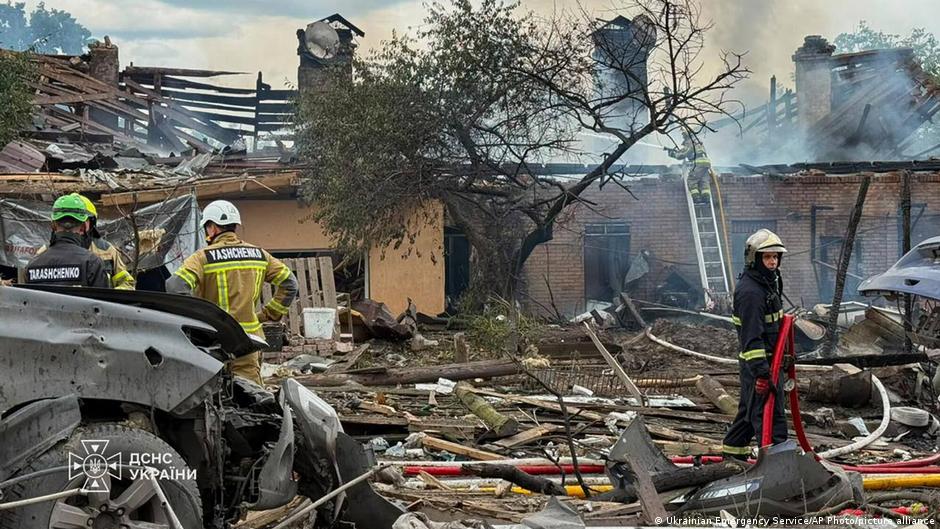
The EU has summoned Russia's envoy over missile strikes in Ukraine, including attacks on a weapons site and Latvian consulate, promising expanded sanctions on Russia's military-industrial complex.
Montenegro plans to end visa-free entry for Russian and Belarusian citizens by October 31, 2026, aligning with EU accession requirements and impacting business travel and corporate strategy.

Russia's oil and gas revenues in July may rise 60% year-on-year due to higher global prices, despite ongoing sanctions and a year-to-date revenue decline.

The US has lifted sanctions on Miami-based Bel-Kap-Steel, linked to Belarus’s metallurgical sector, amid political prisoner releases and evolving Minsk-Washington negotiations.

The IMF has approved a $690 million tranche to Ukraine under its four-year EFF program, acknowledging solid macroeconomic management despite delays in structural reforms amid ongoing conflict.

Hungary blocks key EU negotiation clusters for Ukraine’s accession talks, complicating the EU enlargement process and raising strategic concerns for businesses.

The EU recommends withholding €2 million funding from the Venice Biennale due to Russia's participation, citing conflicts with democratic values and EU sanctions.

Latvian President Edgars Rinkēvičs calls on NATO to prepare for potential escalation with Russia, highlighting the need for enhanced military capabilities and stronger transatlantic defense cooperation.

Two brothers in Germany admitted to illegally exporting industrial machinery parts to Russia via shell companies, violating EU sanctions and facing prison sentences.

France joins Italy, Spain, and Hungary in tightening Schengen visa rules for Russian citizens, requiring personal submission and biometric data, affecting travel and business.

The EU has cut its duty-free steel import quota by 47%, imposing a 50% tariff on excess imports to protect domestic producers amid global overcapacity concerns.

Poland expelled 11 individuals accused of recruiting Ukrainian refugees for protests financed by Russia, reflecting ongoing foreign interference concerns.

Yulia Navalnaya received the Bavarian SPD's European Prize for her steadfast resistance to Russia's authoritarian regime and advocacy for human rights.

President Zelensky proposes a National Pantheon and an 'Order of Europe' to honor Ukrainian heroes amid diplomatic tensions with Poland over historical commemorations.

The Communist Party of Austria won a second consecutive victory in Graz’s municipal elections by focusing on pragmatic housing policies and moderate rhetoric, challenging traditional party dynamics.

Polish opposition leader Jarosław Kaczyński urges blocking Ukraine's EU accession talks, citing historical disputes and economic concerns amid rising bilateral tensions.

France and Italy express concerns over the EU's proposed ban on entry for Russian combatants, fearing broad application that could affect all Russian nationals amid intensified sanctions.

Belgium granted one-day visas to five Taliban representatives for an EU meeting on Afghan deportations, raising complex security and migration policy issues within Europe.

Germany's Economy Minister urges Turkey to exclude Russian gas from future EU energy deals, highlighting geopolitical and business strategy shifts amid ongoing conflicts.

Bulgaria’s Prime Minister Rumen Radev announced a veto on the EU’s latest Russia sanctions package, citing economic risks to key sectors and opposing sanctions on Patriarch Kirill.

EU member states agree to extend Russia sanctions for one year, shifting from previous six-month renewals due to political changes in Hungary and unified condemnation of Russian aggression.

The EU has initiated confidential talks with Kremlin officials to prepare for potential peace negotiations in Ukraine, reflecting strategic diplomatic efforts amid ongoing conflict.

The EU has launched the first negotiation cluster with Ukraine and Moldova, marking the transition to detailed talks on their potential EU membership and associated reforms.

Lithuania, Poland, and France are conducting joint military exercises near the Suwalki Corridor to fortify NATO’s eastern defenses amid ongoing tensions with Russia.

Kosovo’s ruling Self-Determination party won 43% in snap elections but must form coalitions amid political deadlock and ongoing challenges toward EU integration.

Armenia’s parliamentary elections show Prime Minister Pashinyan’s party leading amid tense geopolitical dynamics between EU integration and Russian ties.

Finland has seized €3.7 million in Russian assets following Naftogaz’s efforts to enforce a $5 billion arbitration ruling related to seized Crimean property.

Rheinmetall signs a €5.7 billion contract with Romania to supply military hardware, funded by the EU's Security Action for Europe program, marking significant strategic and industrial cooperation.

The EU plans to restrict Microsoft, Google, and Amazon from public cloud tenders in strategic sectors to reduce dependence on US tech firms amid data sovereignty concerns.

Russian President Putin threatens Armenia with increased tariffs and economic restrictions if it leaves the Eurasian Economic Union amid growing geopolitical tensions.

The EU postpones appointing a special envoy to negotiate with Russia, focusing on developing a clear strategy and leveraging sanctions first.

Russia warns Armenia that its growing ties with the EU may lead to suspension of duty-free gas and petroleum imports, threatening critical energy cooperation agreements.