US Military Intercepts Ballistic Missile Attack from Iran Targeting Middle East Forces
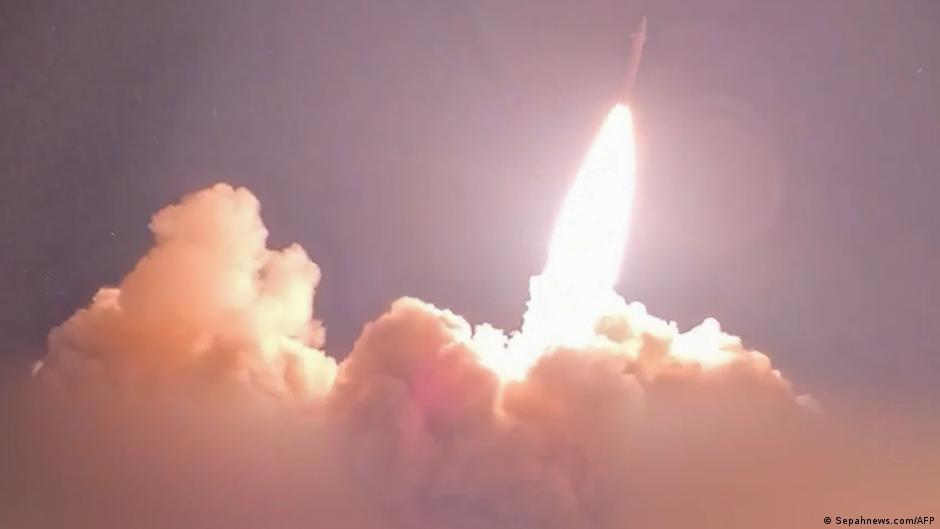
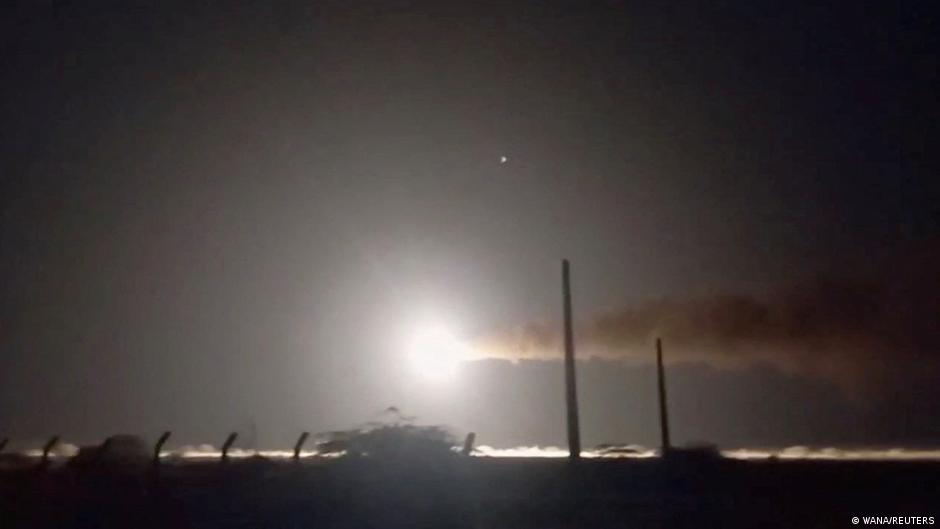
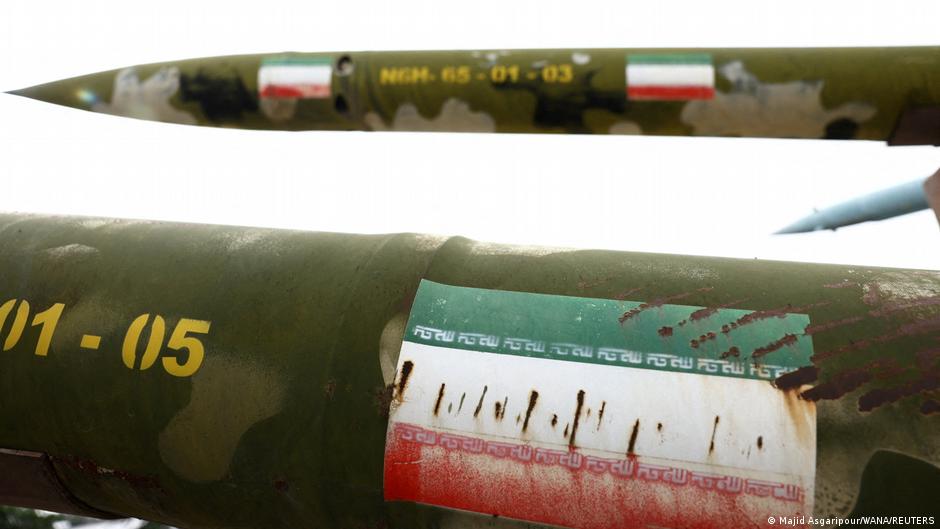
US forces intercepted ballistic missiles launched by Iran targeting Middle East bases, signaling renewed regional tensions amid strategic resource considerations.

US forces intercepted ballistic missiles launched by Iran targeting Middle East bases, signaling renewed regional tensions amid strategic resource considerations.

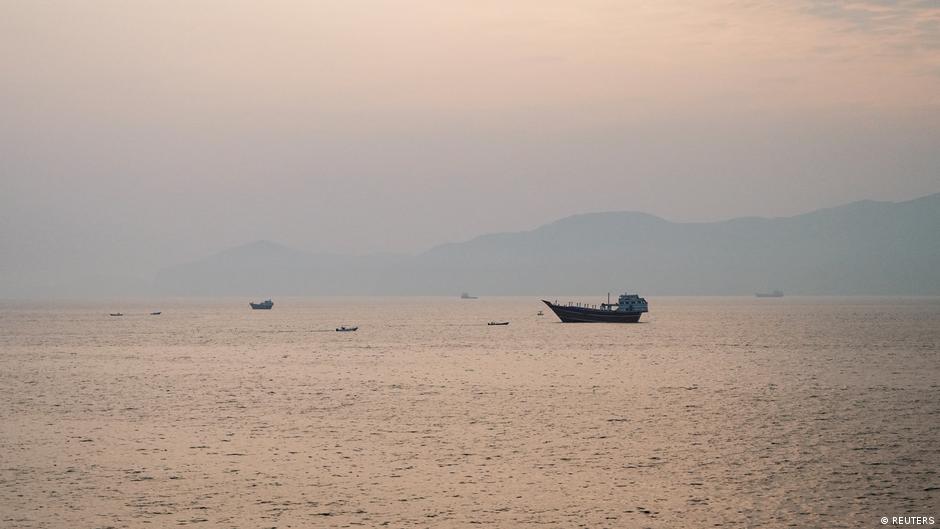
Iran’s Revolutionary Guards attack a Greek-owned oil tanker in the Strait of Hormuz, signaling increased maritime risks and strategic shifts affecting global oil transport.

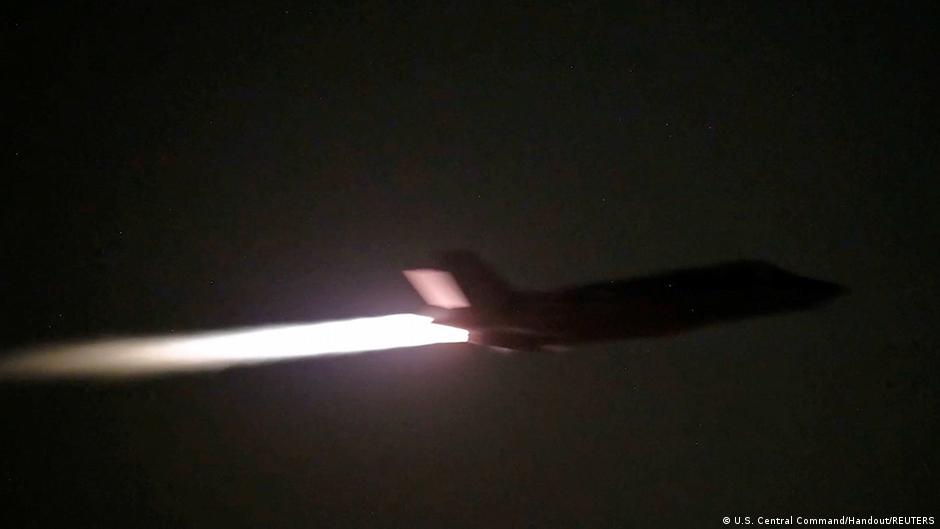
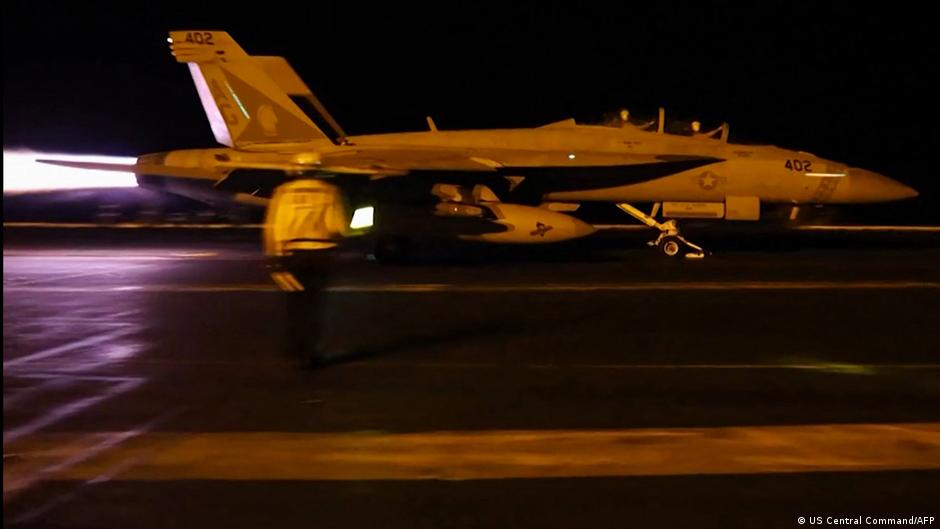
The US military has conducted its 11th consecutive night of strikes on Iranian military targets to curb threats to commercial shipping in the Strait of Hormuz amid escalating hostilities.

The US military has conducted ten consecutive days of strikes against Iranian targets, escalating tensions in the Persian Gulf as Tehran retaliates with drone and missile attacks.

US military casualties in the Iran conflict have risen to 17, with recent fatalities occurring during explosive ordnance disposal in Iraq amid escalating retaliatory strikes.

US forces continue nightly strikes against Iran, with Iranian counterattacks targeting US bases and disrupting critical energy shipping routes in the Strait of Hormuz.

US military strikes on Iranian infrastructure escalate tensions, prompting Iranian retaliation and regional security alerts, with significant implications for global energy markets.

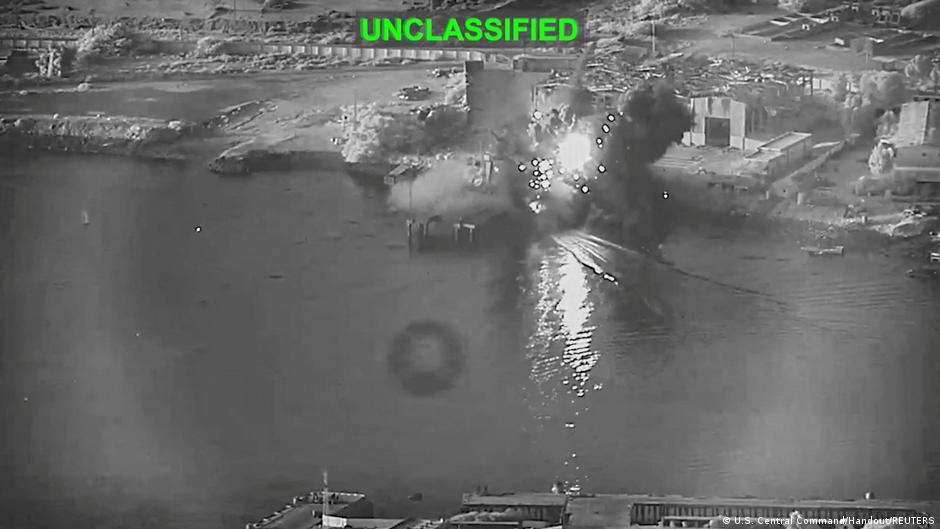
US military launches targeted strikes on Iranian ports and infrastructure, prompting retaliatory attacks on American bases and signaling a complex strategic standoff in the Persian Gulf.

The US has launched strikes against Iran to prevent attacks on civilian shipping in the Strait of Hormuz, escalating tensions with significant business and geopolitical implications.

The US launched a third wave of strikes on Iran after the IRGC attacked a civilian container ship in the Strait of Hormuz, leading to the strategic waterway's closure and escalating regional tensions.

The US has launched new military strikes against Iranian targets to limit Tehran's interference with shipping in the Strait of Hormuz, escalating tensions after tanker attacks.

The US military launched strikes on Iranian targets following attacks on tankers in the Strait of Hormuz, alongside renewed sanctions on Iranian oil, escalating tensions and complicating Gulf security.

US forces conducted air strikes on Iranian military infrastructure in response to drone attacks on commercial oil tankers near the Strait of Hormuz, escalating regional tensions.

The US conducted airstrikes on Iranian military sites after Iran attacked a Singapore-flagged cargo ship in the Strait of Hormuz, escalating tensions and impacting global trade routes.

Former US President Trump praises Zelensky’s resilience in the Russia-Ukraine war while criticizing Europe's stance, highlighting strategic challenges for US foreign policy.

The US lifts its naval blockade of the Strait of Hormuz, reopening a vital oil passage and setting a 60-day negotiation period aimed at a broader peace deal with Iran.

The US plans significant cuts to fighter jets, warships, and troops supplied to NATO in Europe, reflecting a strategic pivot toward the Indo-Pacific region.

US airstrikes on Iran reignited conflict, prompting Tehran to close the Strait of Hormuz and target US bases, raising global energy and trade concerns.

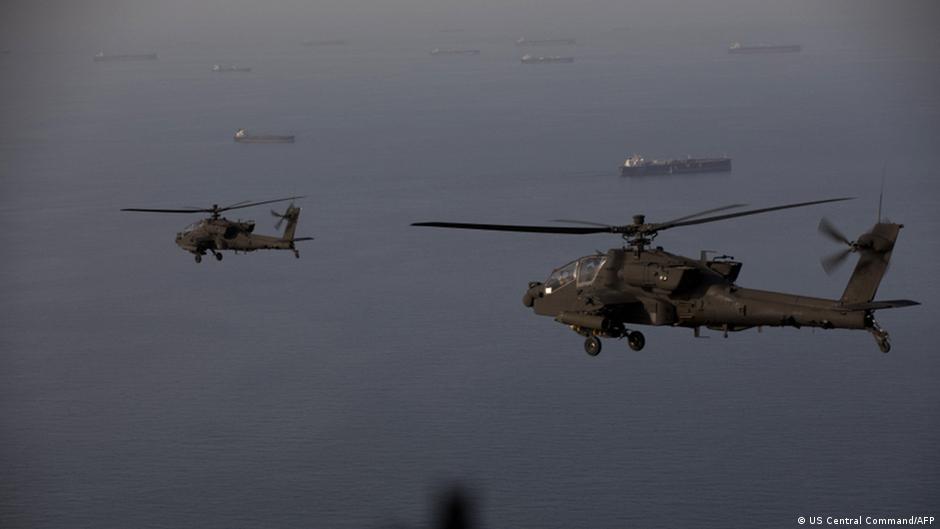
US forces launched targeted strikes on Iranian air defense sites after Tehran downed an Apache helicopter, heightening tensions near the strategic Strait of Hormuz.

US forces shot down four Iranian drones threatening the Strait of Hormuz and struck Iranian radar stations, underscoring escalating regional tensions affecting global energy routes.

Russia and the Taliban have signed a military-technical cooperation agreement, suggesting potential arms transfers and signaling a strategic shift in Moscow's approach to Afghanistan.

The US military conducted defensive strikes on missile sites and mining vessels in southern Iran, reinforcing protection of American forces amid an active ceasefire and complex diplomatic negotiations.

NATO confirms continued US missile deliveries to Ukraine under PURL, highlighting sustained Western support amid evolving European defense dynamics and addressing Russian claims.

US intelligence reveals Iran retains about 70% of its missile capabilities, challenging official claims of Tehran's military defeat and raising strategic and logistical concerns for US defense.

US President Trump indicates a possible redeployment of 5,000 troops from Germany to Poland amid US-Germany tensions and Poland's readiness to host forces.

The US State Department approved the potential $373.6M sale of JDAM-ER bomb kits to Ukraine, enhancing range and accuracy amid operational challenges and strategic defense implications.

Iran launched a significant missile and drone attack on UAE targets, breaking a month-long ceasefire and prompting strong international condemnation and strategic reassessments.

President Trump announces a significant reduction of US troops in Germany, exceeding previous plans and signaling a strategic shift in US-European military relations.

The Pentagon orders a reduction of 5,000 US troops from Germany within a year, reflecting strategic shifts in American military posture in Europe amid transatlantic tensions.

Julie Davis, US Chargé d’Affaires in Ukraine, to leave her Kyiv post amid policy disagreements with Trump over support for Ukraine.