Finland Completes 200-Kilometer Border Fence as Security Risks Reshape Policy
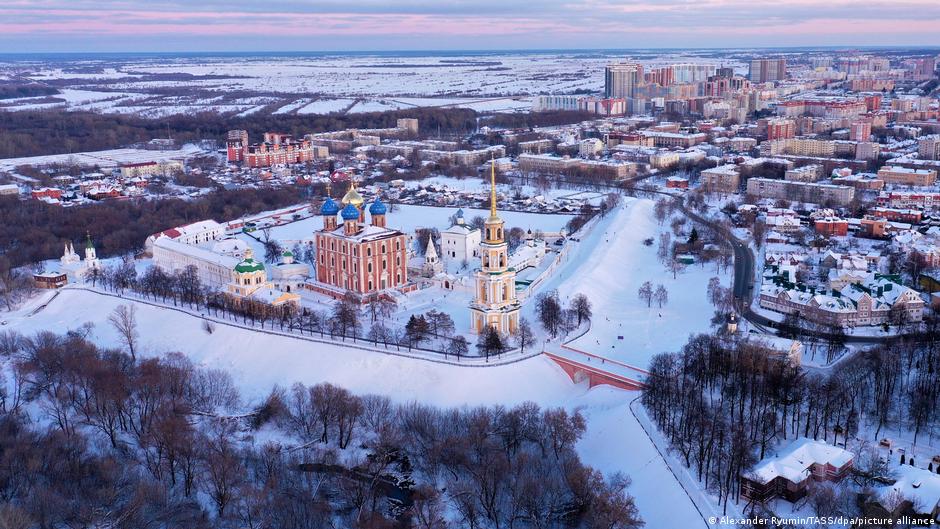
Finland has completed a 200-kilometer fence on its border with Russia, underscoring how security risks are reshaping infrastructure strategy.

Finland has completed a 200-kilometer fence on its border with Russia, underscoring how security risks are reshaping infrastructure strategy.

Macron is seeking an EU-wide ban on social media use by children under 15 after France’s Constitutional Council blocked a national law.

Germany plans a broad anti-sabotage shield that would enlist critical infrastructure companies in drone and cyber defense.
NABU and SAP searched Ukraine’s Prosecutor General’s Office in a probe into alleged protection of fraudulent call centers and asset laundering.
Volkswagen approved a historic restructuring plan with about 50,000 job cuts, factory uncertainty and a major push to simplify models and improve returns.

Meta settles for $18B over child safety, requiring extensive platform changes dependent on imperfect age-verification technology, posing significant strategic challenges.

The US has removed Syria from its terrorism sponsor list, signaling a strategic shift with significant implications for business investment and Middle East geopolitics.

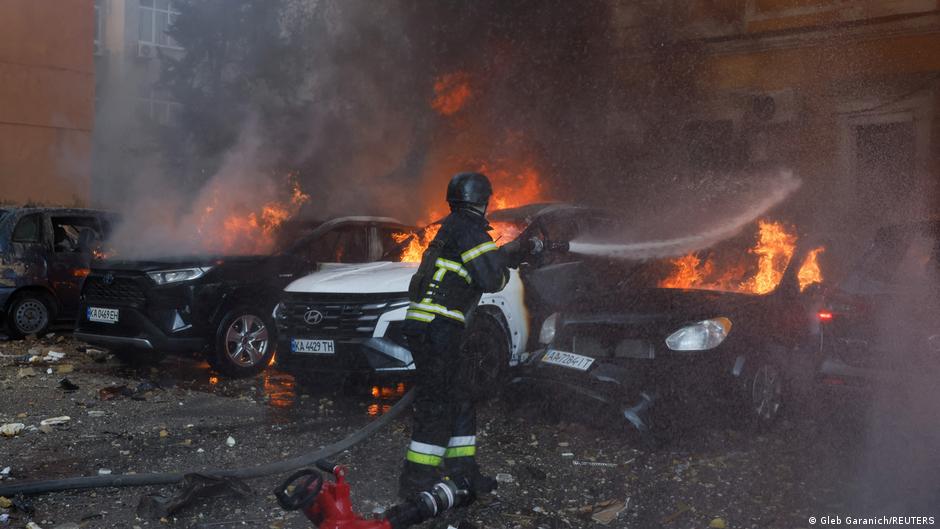
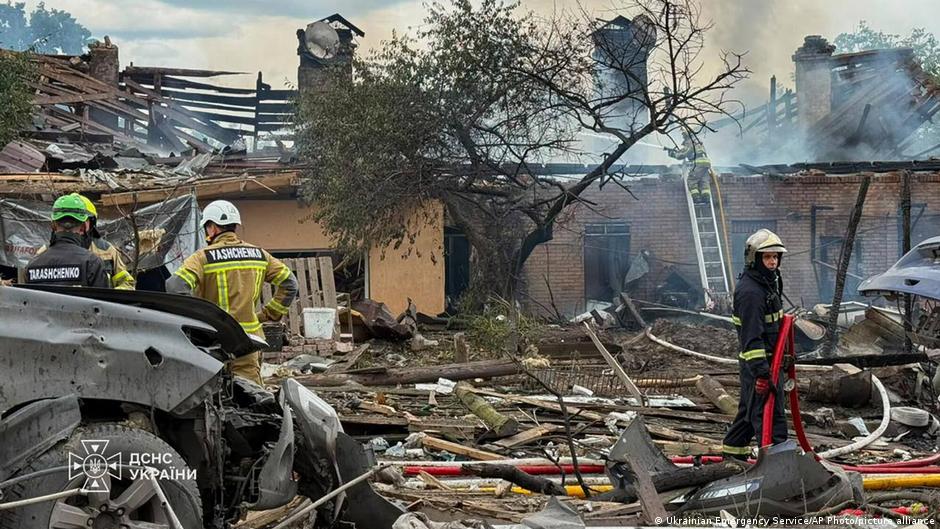
Drone attacks on Ozon logistics centers in Krasnodar and Stavropol caused fires and casualties, forcing operational suspensions and raising security concerns for the e-commerce giant.

Finland summoned the Russian ambassador after a Russian Il-20 reconnaissance plane briefly entered its airspace, highlighting rising regional security challenges.

The Trump administration has imposed tariffs up to 100% on imported drones and components to reduce reliance on foreign technology critical to national security.

Germany records hundreds of drone incursions near Bundeswehr bases, prompting new counter-drone tech initiatives amid hybrid security challenges.

Raytheon and Lockheed Martin caution that licensing Ukraine to produce Patriot missiles may risk intellectual property theft and disrupt US defense production strategies.

Germany intensifies counter-drone and hybrid warfare defenses following an explosive drone incident at Leipzig/Halle airport and ongoing foreign threats.

Donald Trump criticized the Biden administration for draining U.S. ammunition reserves to supply Ukraine, stating the U.S. needs missiles for its own defense amid ongoing conflict.

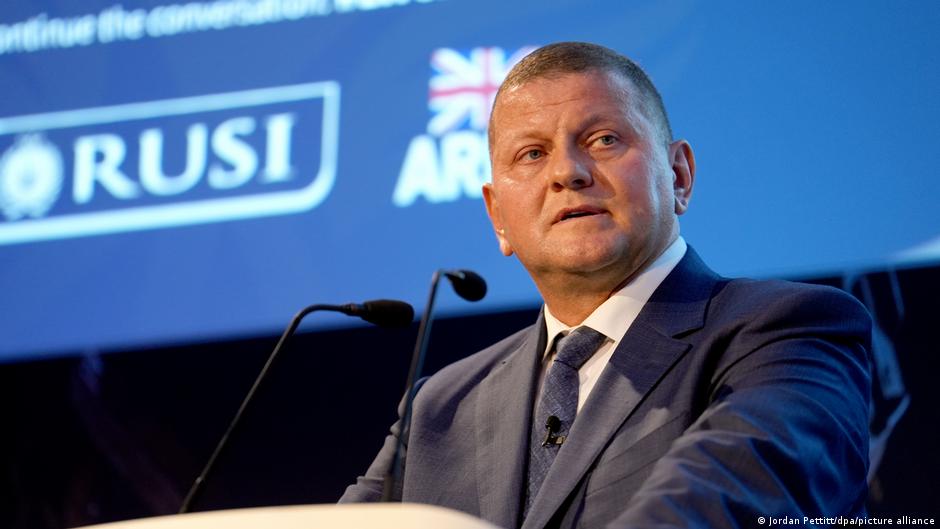
Former Ukrainian military chief Valeriy Zaluzhnyi says NATO membership is unlikely due to doctrinal and capability gaps, advocating for Ukraine to join emerging defense alliances like the Joint Expeditionary Force.
Uzbekistan advances digital transformation with national navigation and unified governance platforms, aiming to boost IT sector growth and streamline government operations.

Ukraine confirms Russia used a North Korean ballistic missile in a deadly strike, signaling deepening military ties between Moscow and Pyongyang amid ongoing conflict.

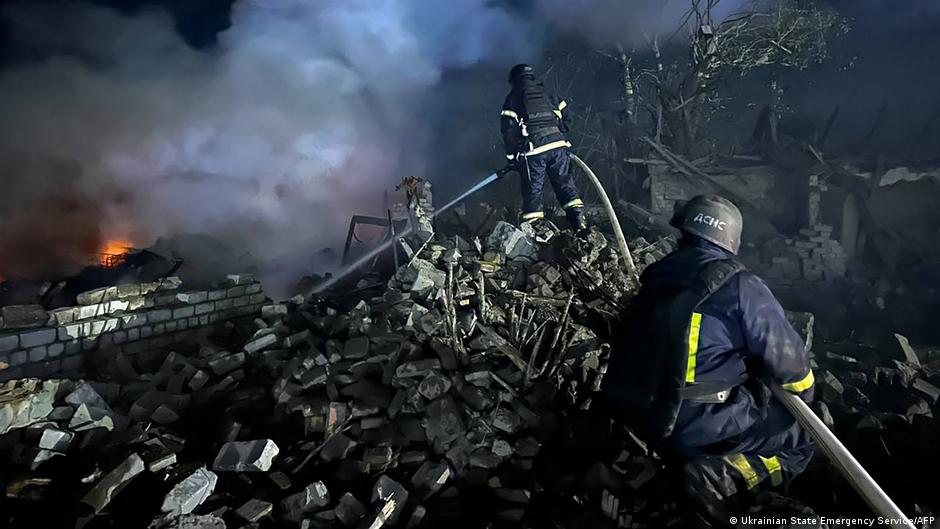
Russian missile and drone strikes across Ukraine cause civilian deaths and infrastructure damage, intensifying calls for enhanced air defense support from international allies.

Austria plans to extend mandatory military service to nine months, enhancing training and pay amid growing security threats and geopolitical tensions in Europe.

The UK has granted Ukraine intellectual property rights to the Stone Cloak electronic warfare system, enabling local production and deepening defense cooperation amid conflict.

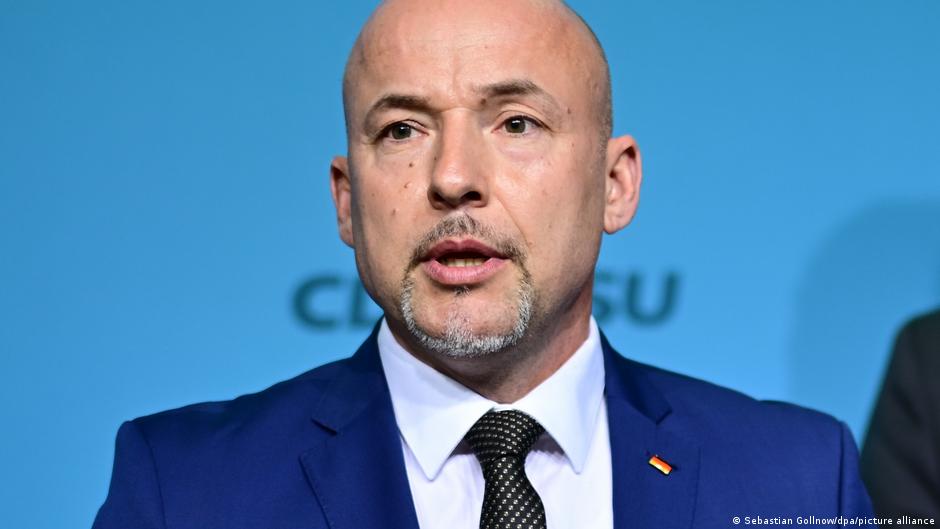
Alexander Hoffmann urges Germany to secure Ukrainian drone tech via an intergovernmental deal, boosting Bundeswehr's defense and production capabilities.

The EU has summoned Russia's envoy over missile strikes in Ukraine, including attacks on a weapons site and Latvian consulate, promising expanded sanctions on Russia's military-industrial complex.

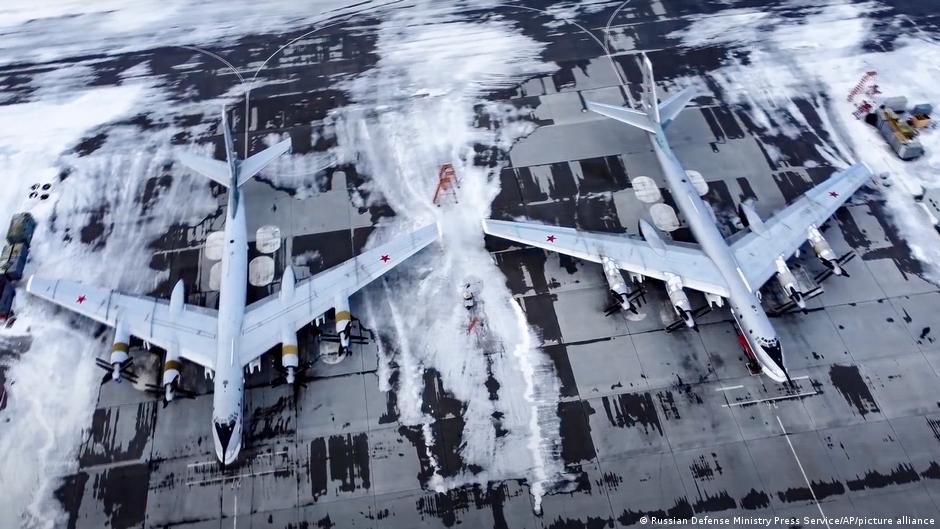
Drone strikes targeted Russian cities Belgorod and Rostov-on-Don and the Engels military airbase, raising concerns over energy infrastructure and strategic bomber capabilities.

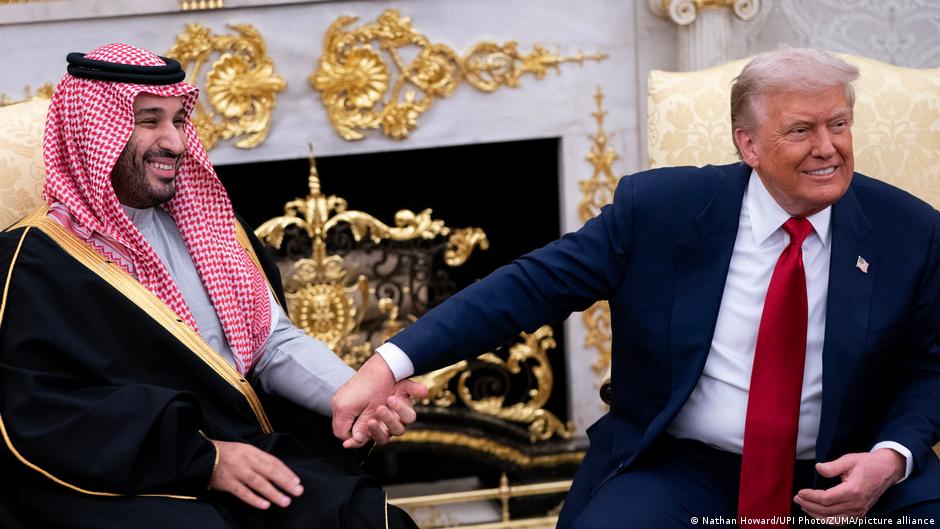
The Trump administration is poised to permit Saudi Arabia uranium enrichment without strict IAEA safeguards, potentially enabling Riyadh's pathway to nuclear weapons amid geopolitical tensions.

Uzbekistan’s comprehensive reforms and digital innovations have significantly reduced water stress, positioning it as a model for sustainable water management in Central Asia.

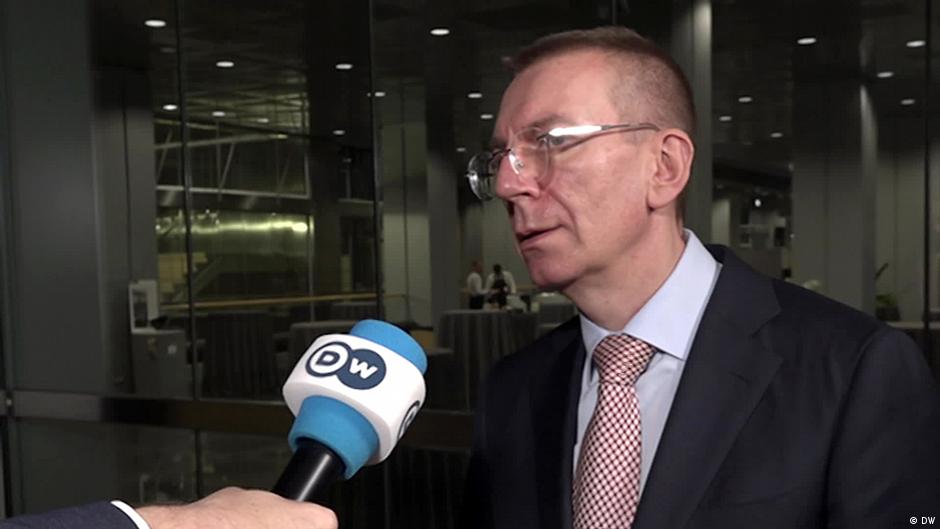
Latvian President Edgars Rinkēvičs calls on NATO to prepare for potential escalation with Russia, highlighting the need for enhanced military capabilities and stronger transatlantic defense cooperation.

Far-right businessman Abelardo de la Espriella narrowly wins Colombia's presidency with strong U.S. backing, promising deregulation and militarized drug crime control.

Intelligence reports reveal Iran restored much of its missile arsenal during a ceasefire, potentially with recent Russian missile deliveries, complicating U.S. strategic decisions.

The US House approved $70 billion in funding for immigration enforcement through 2028, following Senate approval and amid controversy over ICE operations.

A U.S. federal judge invalidated the Trump administration's $100,000 H-1B visa fee, ruling it an unlawful tax beyond executive authority, with major implications for corporate hiring strategies.

The EU plans to restrict Microsoft, Google, and Amazon from public cloud tenders in strategic sectors to reduce dependence on US tech firms amid data sovereignty concerns.

A Russian drone crashed into a Romanian residential building during an attack on Ukraine, causing injuries and raising concerns about regional security and business risks.

Russia and the Taliban have signed a military-technical cooperation agreement, suggesting potential arms transfers and signaling a strategic shift in Moscow's approach to Afghanistan.

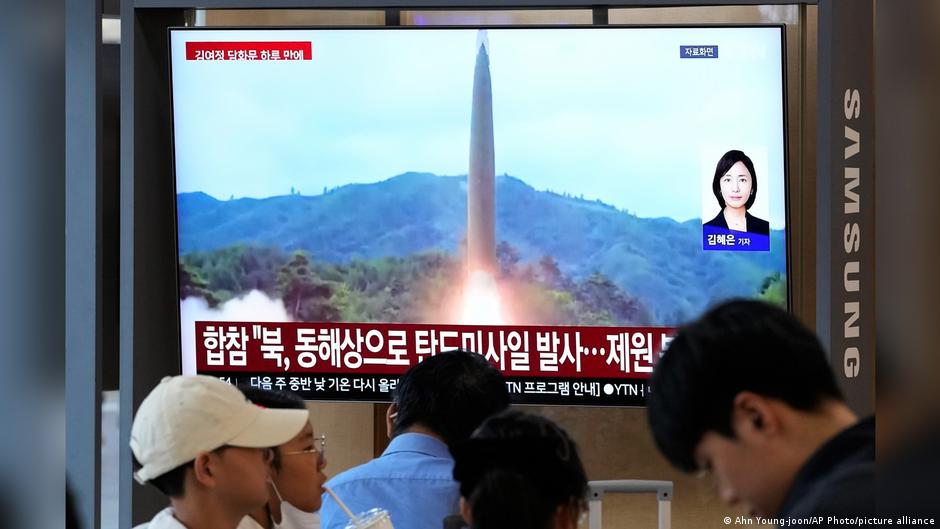
North Korea’s recent missile tests demonstrate a strategic push to modernize its military forces, signaling enhanced regional security challenges.

Donald Trump demands Iran’s enriched uranium be destroyed either in the US or on-site under IAEA supervision to prevent nuclear weapons development.

SpaceX has filed for a $75 billion IPO, aiming to become the largest in history. The firm disclosed key financials, retains Elon Musk as CEO, and plans no near-term dividends.

The UK government plans to increase its defense budget by £18 billion amid political challenges, impacting defense firms and strategic corporate decision-making.

President Zelensky met German officials to accelerate air defense support and drone cooperation as Ukraine faces intensified Russian missile strikes.

Serbia hosts its first joint military exercises with NATO under its neutrality policy, signaling a nuanced shift in regional defense cooperation.

Ukraine offers NATO long-range drones and missiles to address strategic gaps following U.S. missile withdrawals from Germany, enhancing the alliance's precision strike capabilities.

The US Department of Defense begins ongoing public release of declassified UFO files, involving multiple agencies and emphasizing transparency and expert analysis.

Octobank has begun offering international money transfers from South Korea to Uzbek HUMO cards via the E9PAY platform, enhancing its cross-border payment services.

President Trump ends US negotiators’ travel to Pakistan, citing America’s superior position and secure remote communication lines in ongoing Iran talks.

Hungarian PM Péter Mádjár will discuss with the EU Commission unlocking billions in frozen funds following political changes and reform commitments.

Tencent and Kaspi.kz’s leadership acquired about 6 million ADS shares, strengthening the fintech’s shareholder base and signaling confidence in growth strategy.

France and Poland are jointly developing a military satellite to secure Poland's defense communications and reduce reliance on foreign satellite systems by 2030.

Germany's Bundeswehr Military Museum in Koblenz restricts entry for Uzbek and several Central Asian nationals, citing new security legislation affecting access to military exhibits.

The EU's new biometric border system has caused multi-hour delays at airports across six countries, prompting calls from airlines and airport bodies to suspend its operation temporarily.