US Military Strikes Resume in Iran Amid Rising Tensions and Strait of Hormuz Closure
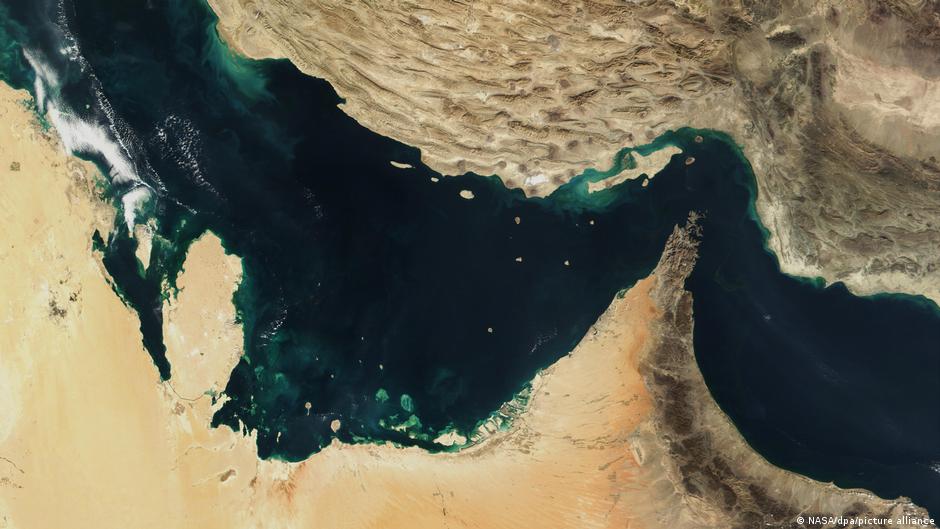
US airstrikes on Iran reignited conflict, prompting Tehran to close the Strait of Hormuz and target US bases, raising global energy and trade concerns.

US airstrikes on Iran reignited conflict, prompting Tehran to close the Strait of Hormuz and target US bases, raising global energy and trade concerns.

Twenty-two countries, including the US and European states, publicly condemned Iran for orchestrating attacks targeting dissidents and Jewish communities on their soil.

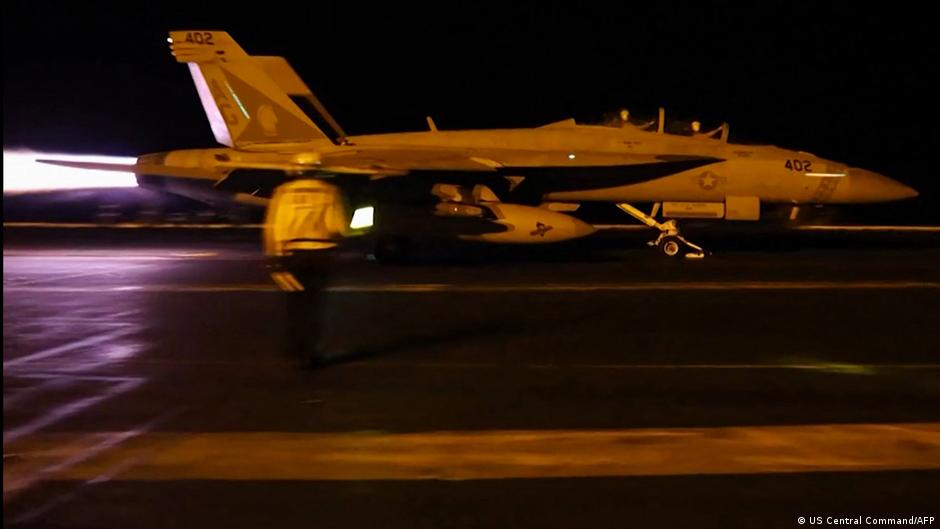
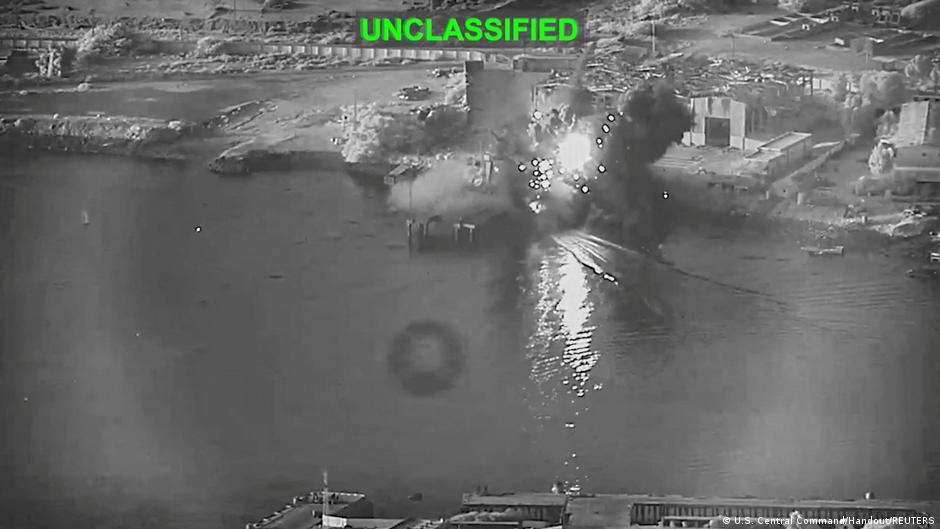
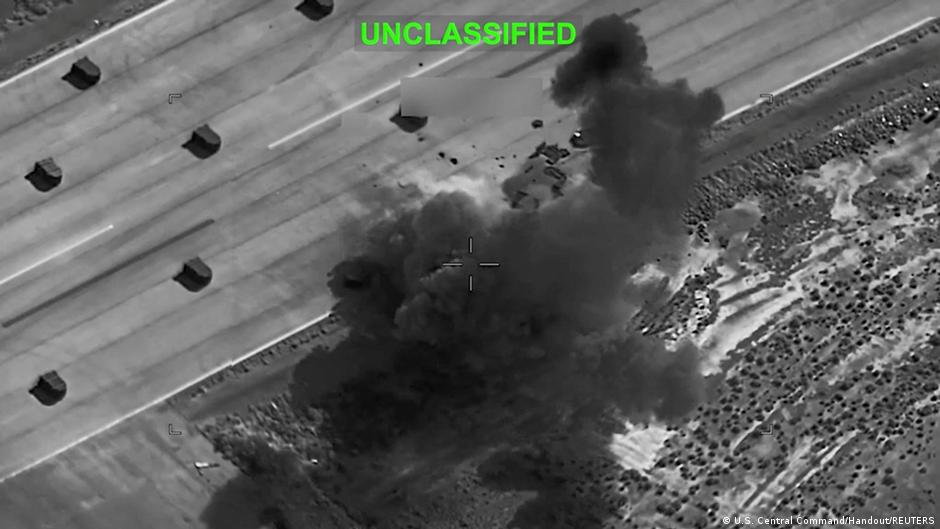
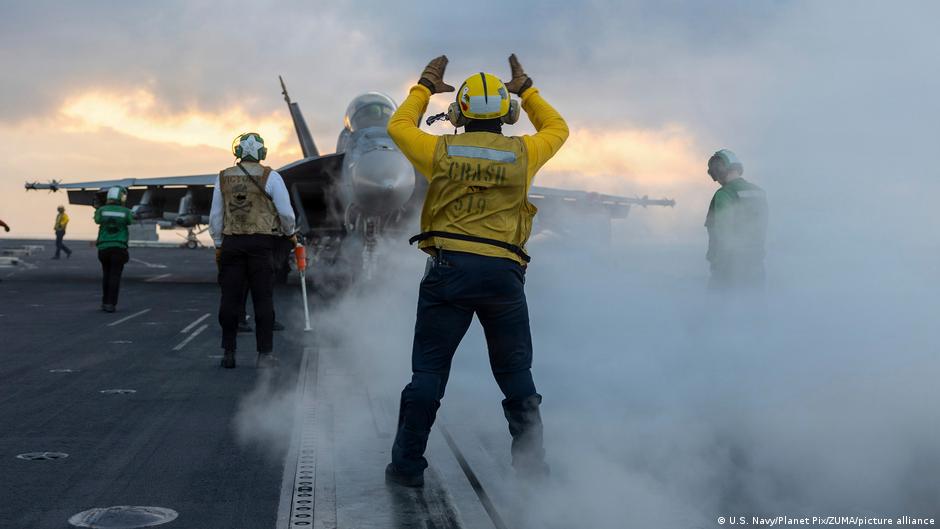
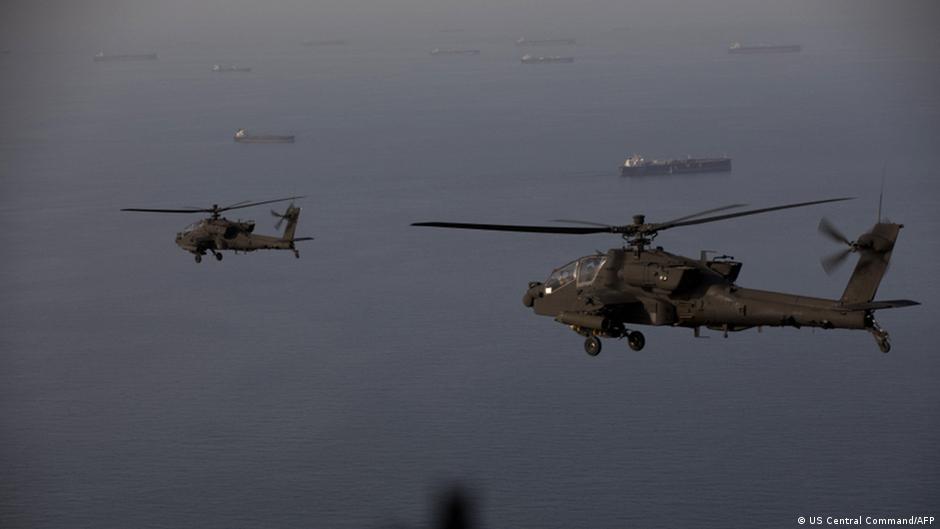
US forces launched targeted strikes on Iranian air defense sites after Tehran downed an Apache helicopter, heightening tensions near the strategic Strait of Hormuz.

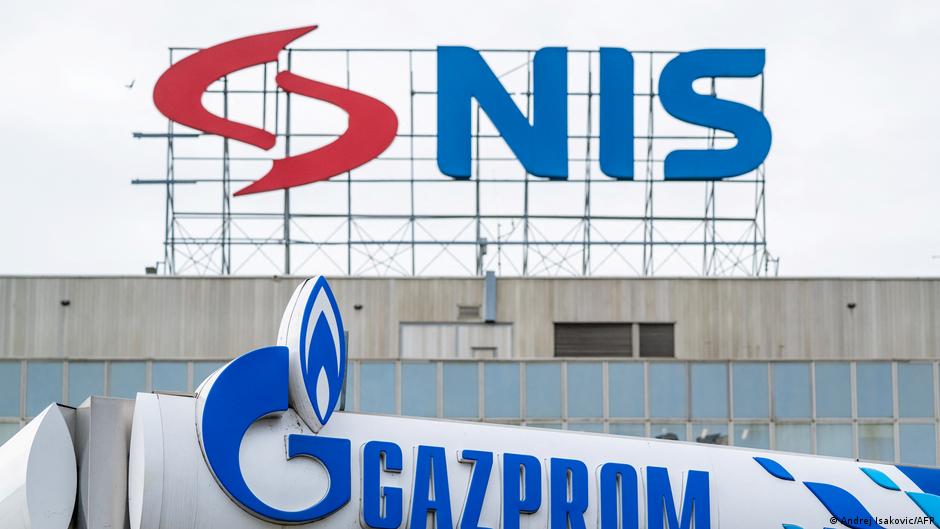
US Treasury extends deadline for MOL to complete negotiations for acquiring Gazprom’s stake in Serbian oil refiner NIS, amid sanctions and regional energy shifts.

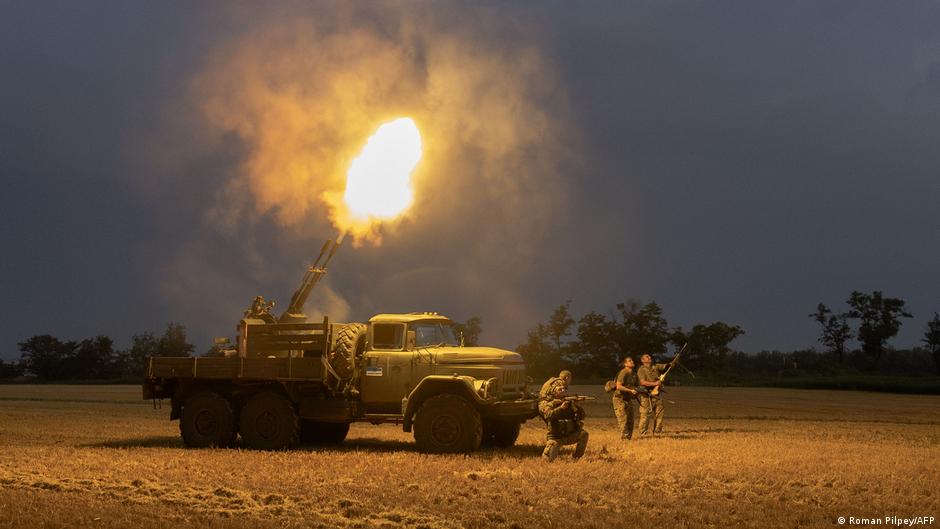
US forces shot down four Iranian drones threatening the Strait of Hormuz and struck Iranian radar stations, underscoring escalating regional tensions affecting global energy routes.

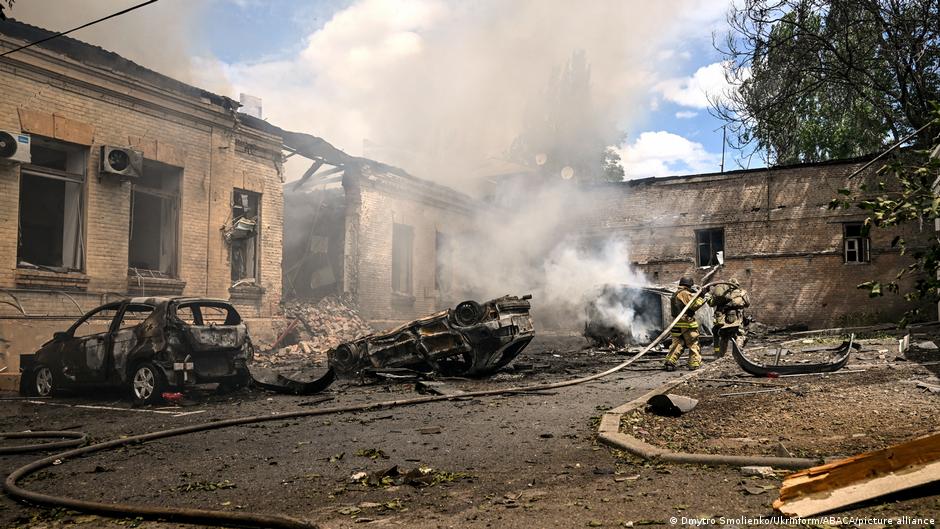
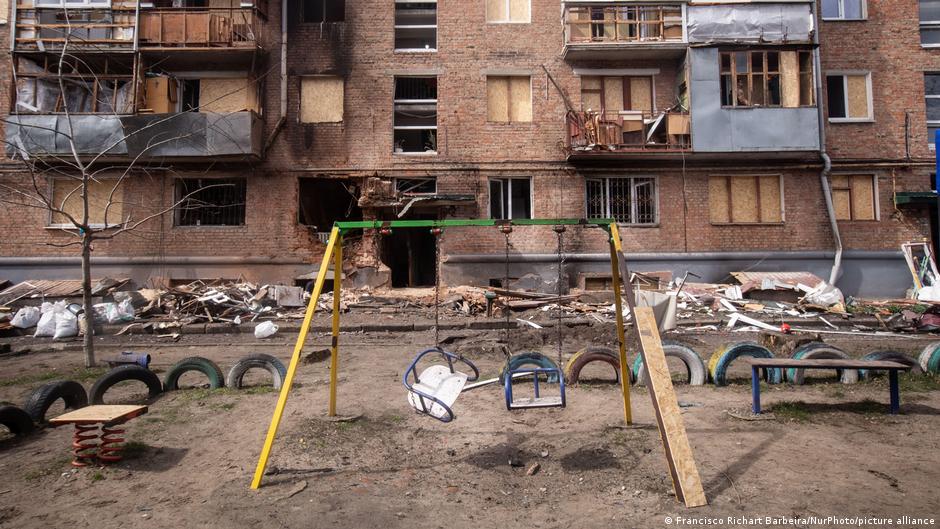
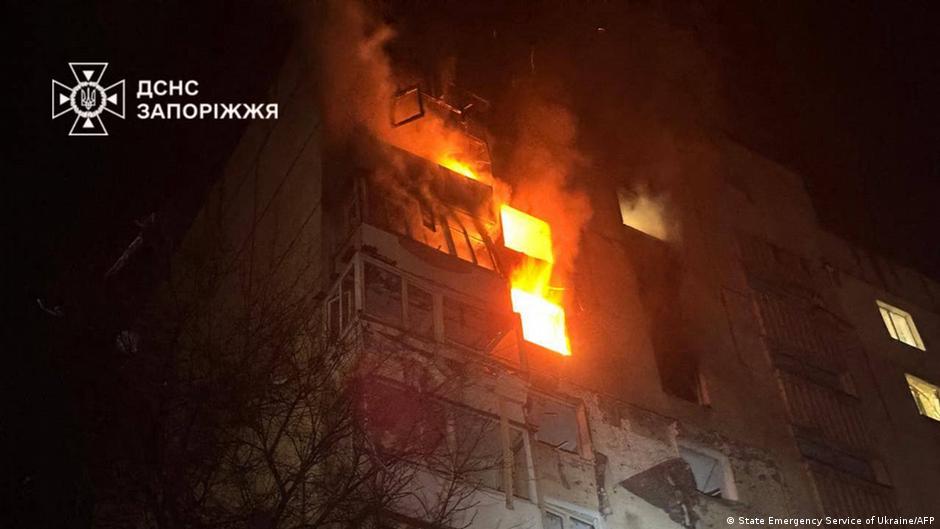
Russian drone strikes on June 4 targeted residential areas in Zaporizhzhia and Konotop, causing civilian casualties and infrastructure damage, raising concerns over regional security.

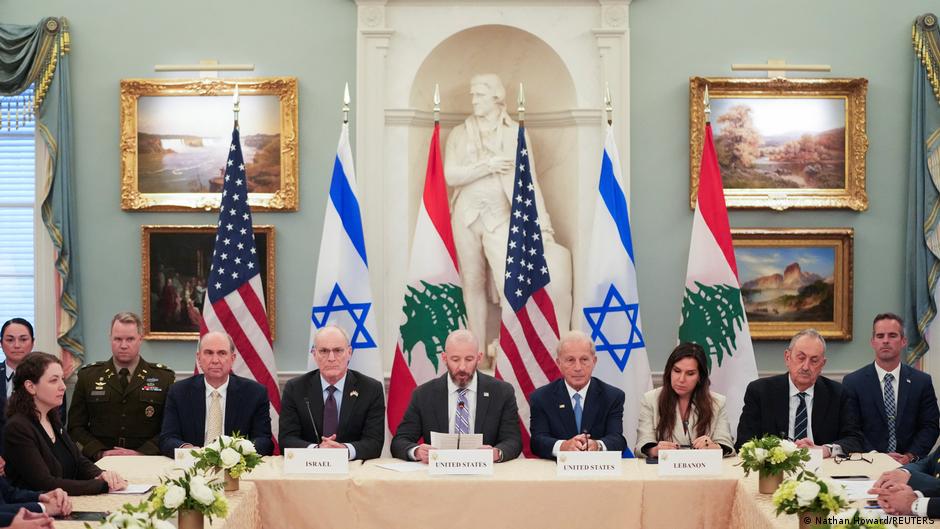
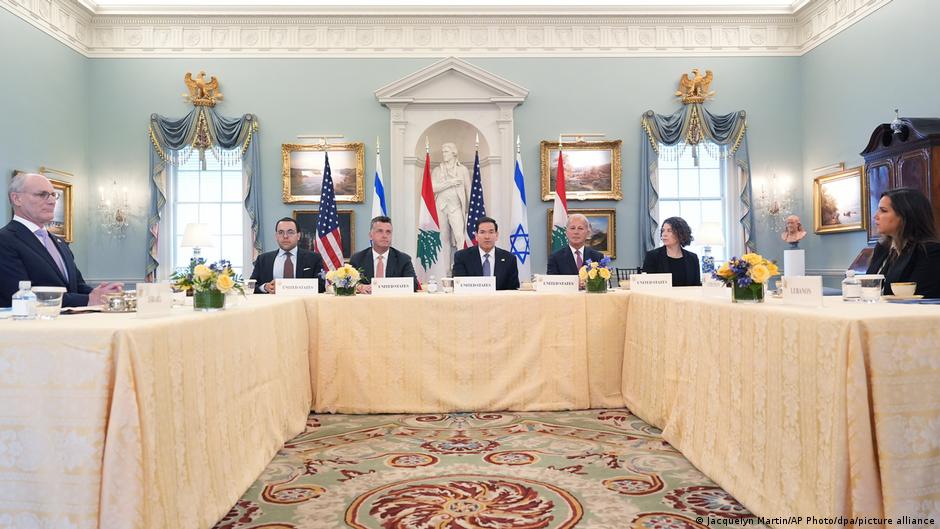
The US brokered a ceasefire between Israel and Lebanon, requiring Hezbollah’s disarmament and withdrawal, providing a critical pause in regional conflict with business and geopolitical implications.

Russian air defenses intercepted 30 Ukrainian drones over the Leningrad region hours before the St. Petersburg International Economic Forum opened.

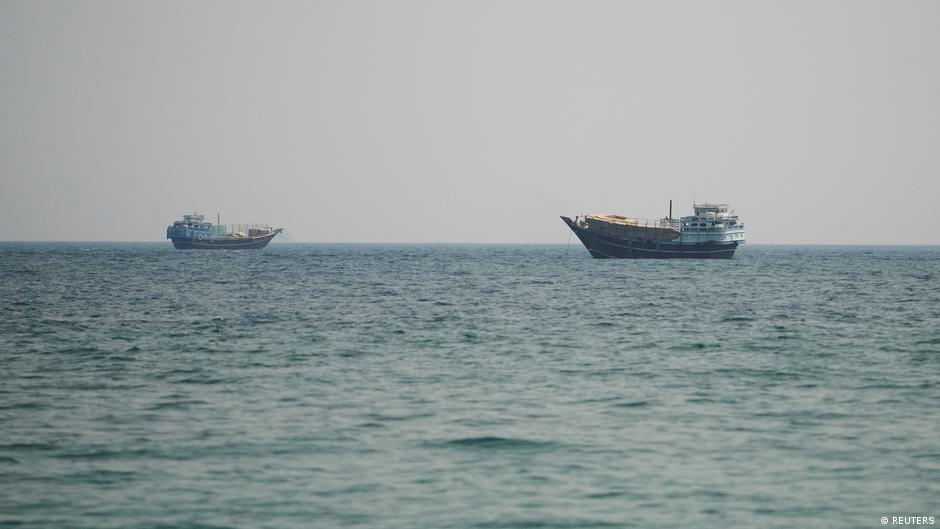
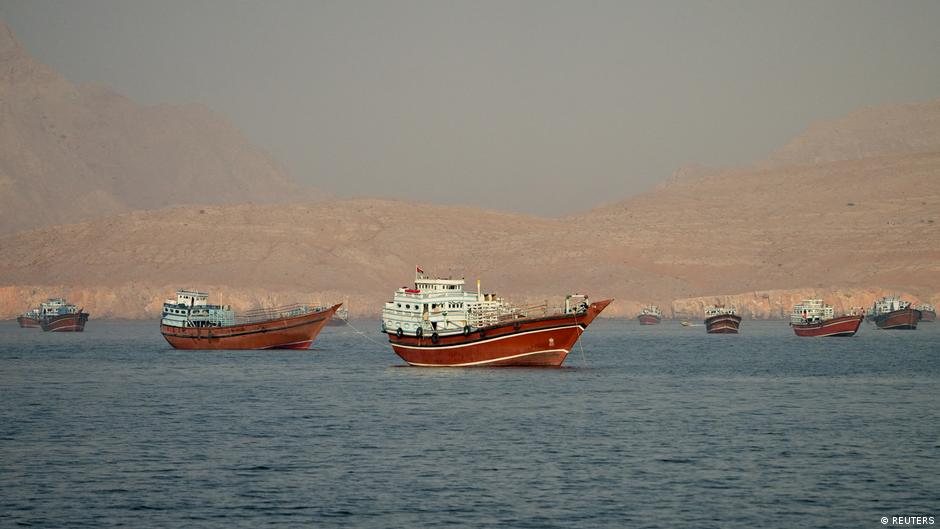
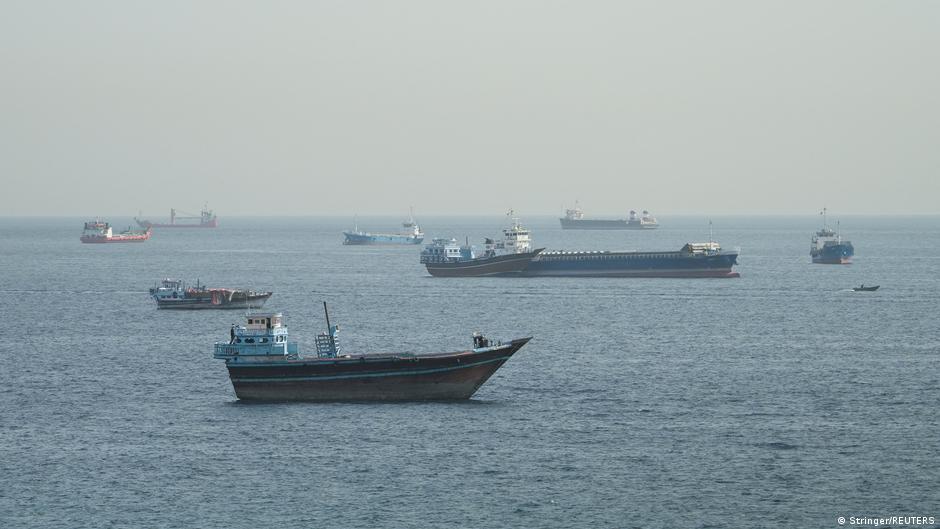
CENTCOM covertly aided around 70 commercial ships through the Iran-blockaded Strait of Hormuz, balancing maritime commerce flow with regional security risks amid ongoing U.S.-Iran tensions.

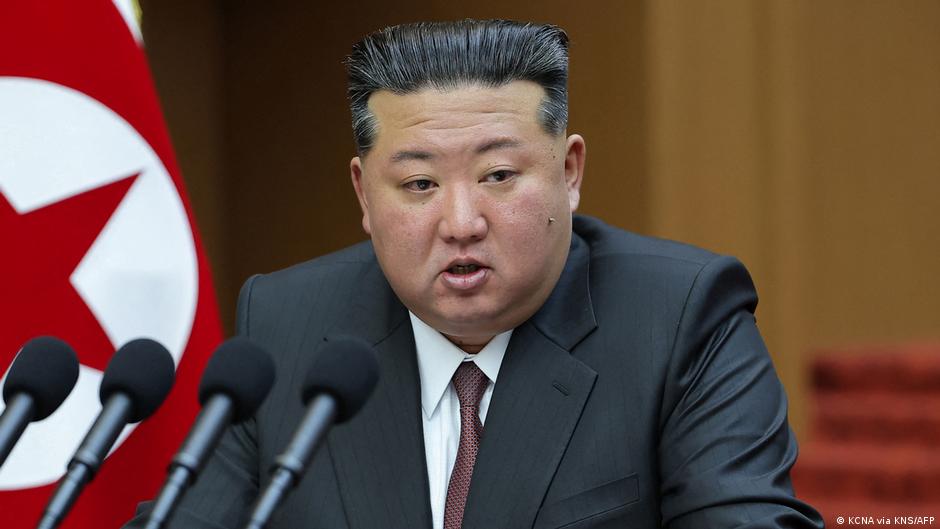
North Korea’s recent missile tests demonstrate a strategic push to modernize its military forces, signaling enhanced regional security challenges.

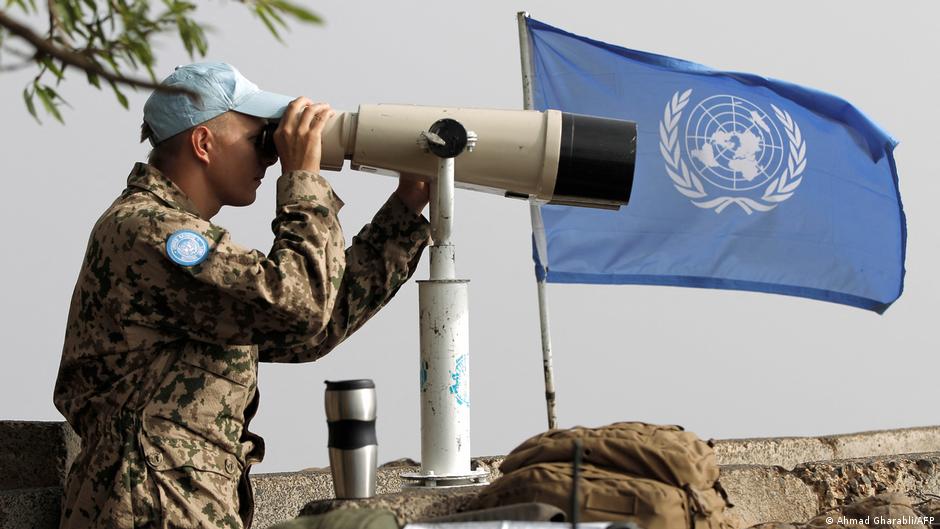
UN peacekeeping personnel have declined to the lowest level since 2000 due to funding crises and geopolitical tensions, threatening the effectiveness of multilateral conflict resolution.

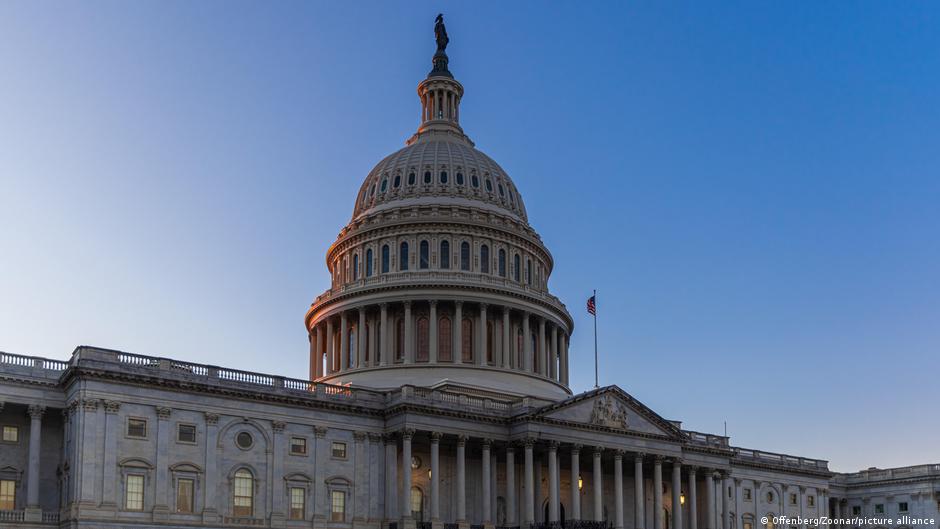
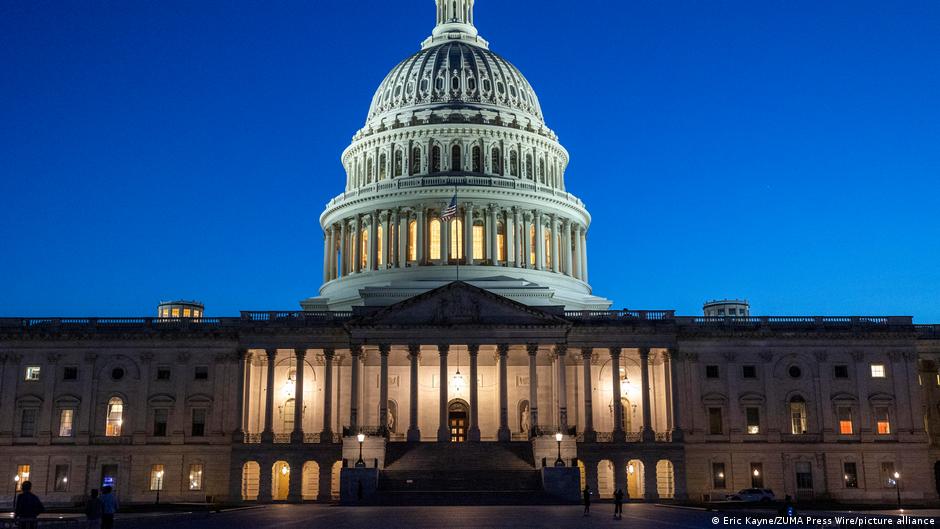
The US Senate advanced a resolution requiring President Trump to obtain congressional approval for further military actions against Iran, challenging executive war powers.

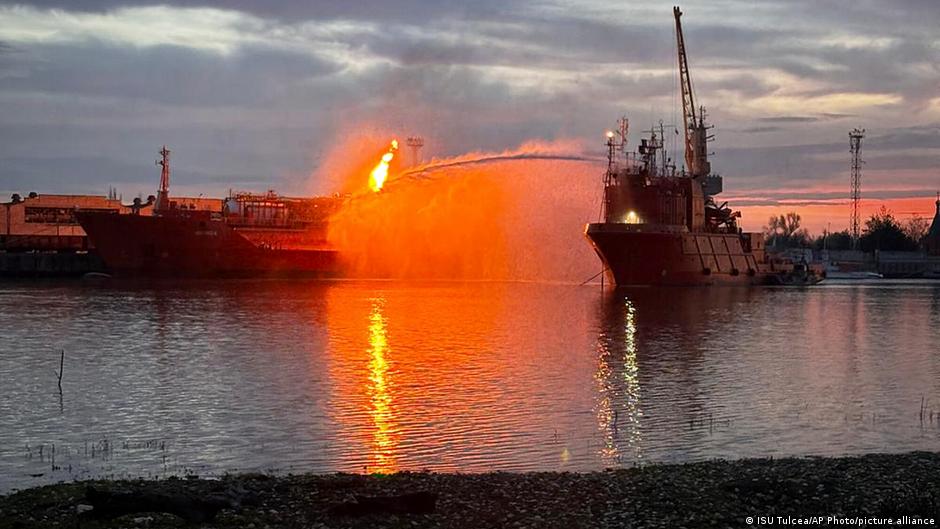
Recent Russian strikes have damaged critical Ukrainian port and energy infrastructure, challenging corporate strategies in logistics and energy sectors amid ongoing conflict.

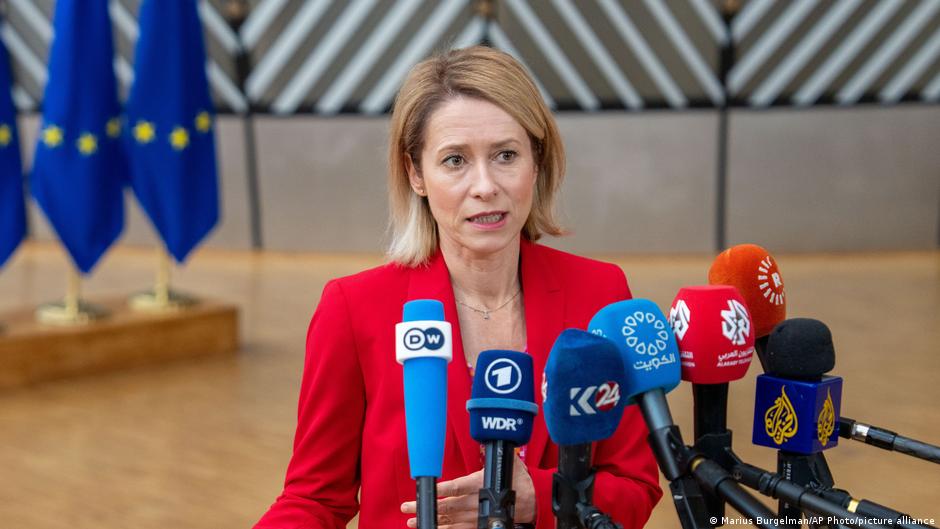
EU Foreign Affairs Chief Kaja Kallas warns that Russia, China, and the US pursue strategies to divide and weaken the European Union, urging member states to maintain unity.

Russian drone and missile strikes across key Ukrainian regions caused infrastructure damage and civilian injuries, highlighting ongoing conflict risks.

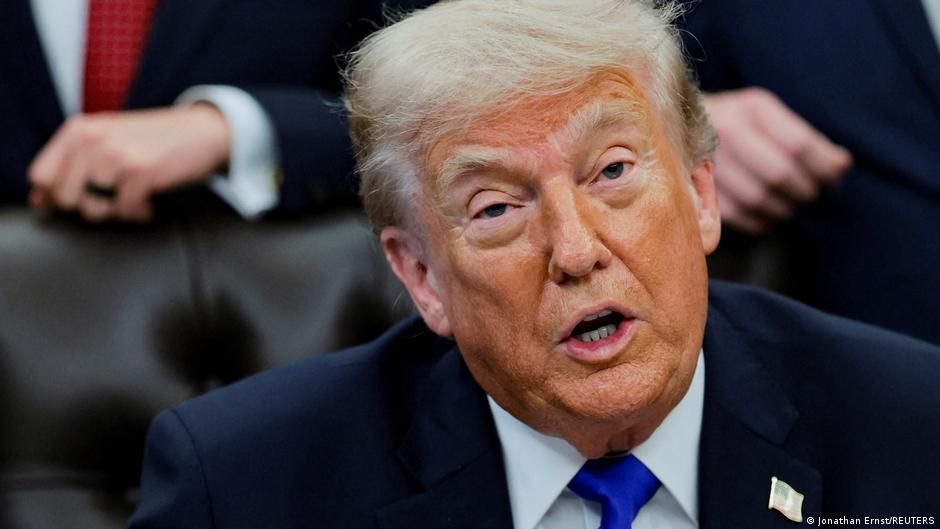
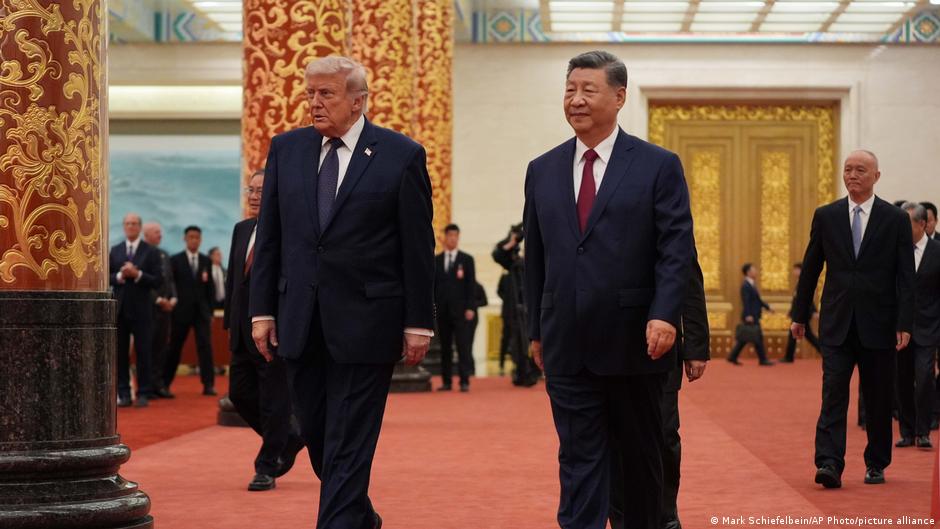
Donald Trump reveals China’s renewed interest in buying U.S. oil and soybeans, hinting at shifting trade dynamics and potential influence on Iran amid recent talks with Xi Jinping.

President Trump announces promising US-Iran negotiations with potential nuclear agreement; businesses should monitor evolving sanctions and geopolitical risks.

Trump’s threats against Iran have pushed Brent and WTI oil prices sharply higher, underscoring the impact of geopolitical tensions on global energy markets and corporate strategies.

US President Trump announced a three-week extension of the Israel-Lebanon ceasefire following historic US-facilitated talks aimed at advancing peace and countering Hezbollah.

Thuringia's constitutional protection head warns Russian psychological warfare targets German defense firms supplying Ukraine, posing hybrid threats to executives and operations.

Global airlines reduce flight capacity by 3% in May due to jet fuel shortages caused by Middle East conflicts and the Strait of Hormuz blockade.

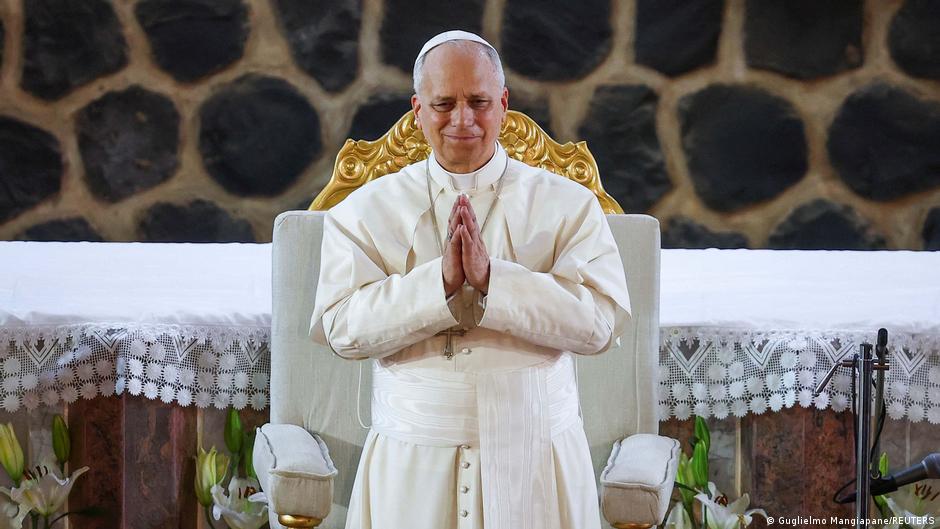
Pope Leo XIV condemns global tyrants exploiting religion for gain during Africa tour, provoking sharp criticism from US leadership and highlighting geopolitical tensions.

The US Senate rejected a resolution aimed at ending military operations against Iran, upholding presidential authority over war decisions despite Democratic opposition.