Russia's July Oil and Gas Revenues May Surge 60% Year-on-Year Amid Rising Prices
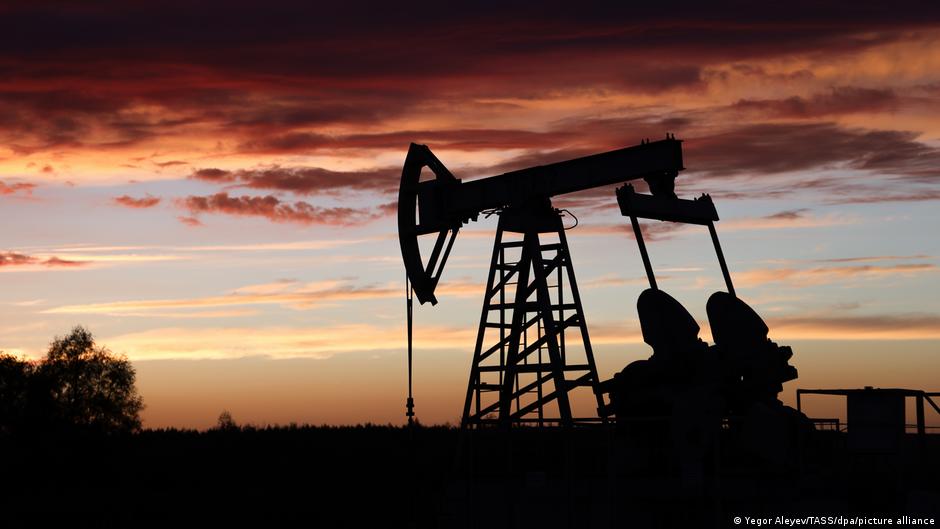
Russia's oil and gas revenues in July may rise 60% year-on-year due to higher global prices, despite ongoing sanctions and a year-to-date revenue decline.

Russia's oil and gas revenues in July may rise 60% year-on-year due to higher global prices, despite ongoing sanctions and a year-to-date revenue decline.

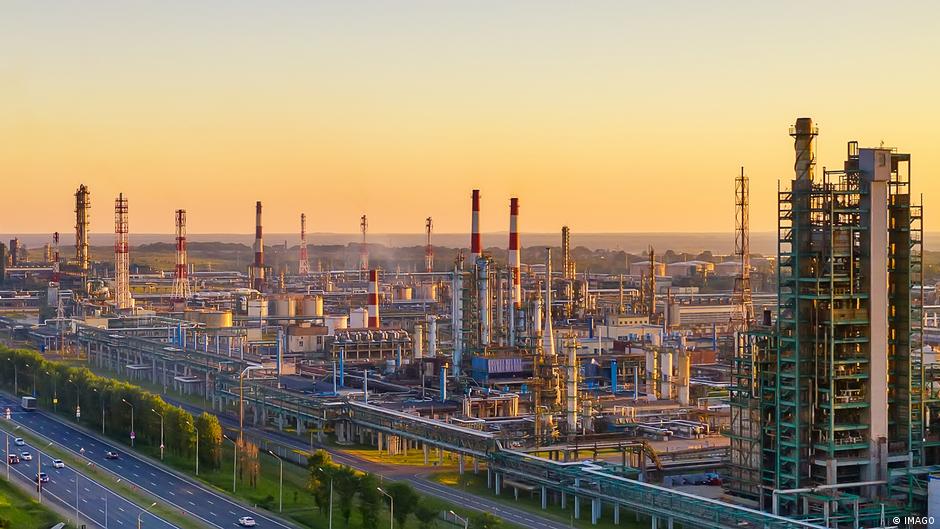
Russia’s oil product production index fell nearly 22% in June amid operational disruptions from conflict-related attacks, impacting supply and pricing dynamics.

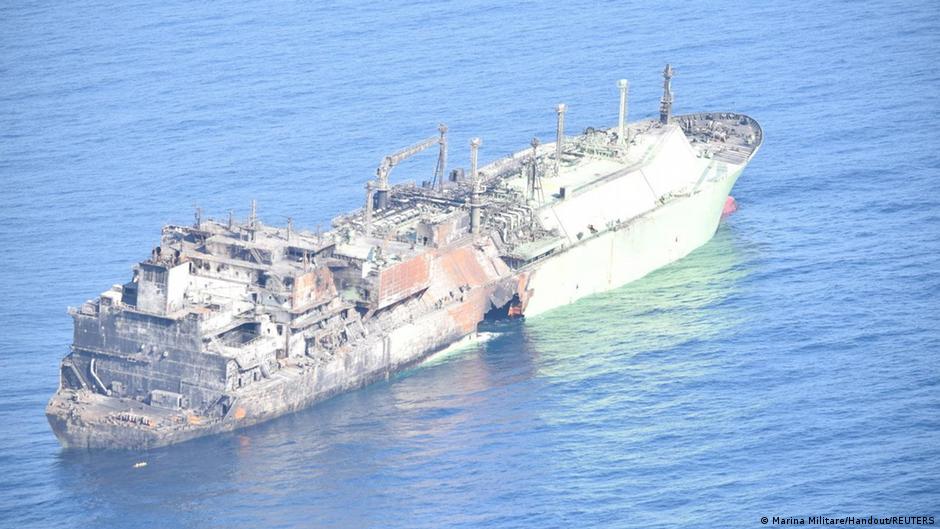
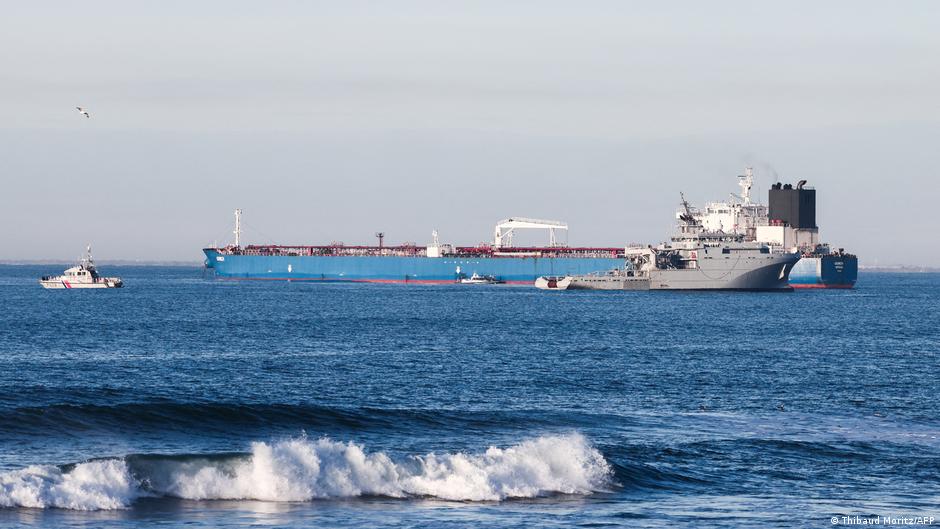
Iran’s Revolutionary Guards attack a Greek-owned oil tanker in the Strait of Hormuz, signaling increased maritime risks and strategic shifts affecting global oil transport.

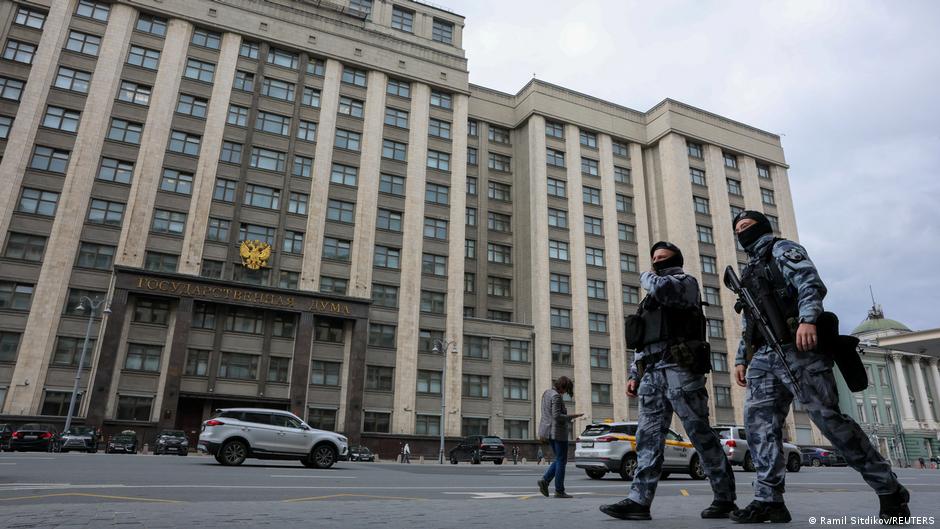
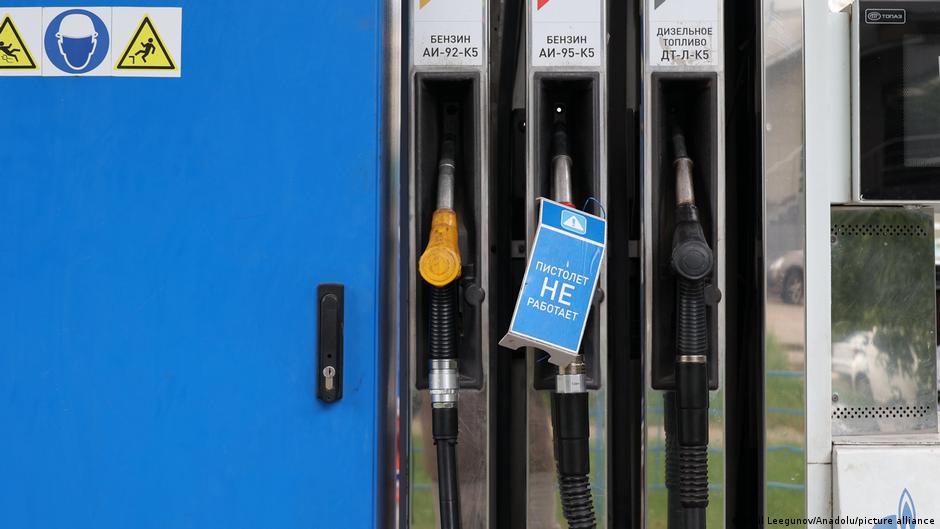
The Russian State Duma amended the fuel dampener and trading rules to enhance domestic fuel supply and price stability amid export restrictions and refinery disruptions.

The US military has conducted its 11th consecutive night of strikes on Iranian military targets to curb threats to commercial shipping in the Strait of Hormuz amid escalating hostilities.

The US initiates a $100 million humanitarian aid program to Cuba while maintaining sanctions and exploring military options against Havana's regime.

The US military has conducted ten consecutive days of strikes against Iranian targets, escalating tensions in the Persian Gulf as Tehran retaliates with drone and missile attacks.

US forces continue nightly strikes against Iran, with Iranian counterattacks targeting US bases and disrupting critical energy shipping routes in the Strait of Hormuz.

Ukrainian drone strikes on Russian logistics hubs, including Wildberries warehouses, resulted in casualties and fires, highlighting operational risks for businesses in conflict zones.

US military strikes on Iranian infrastructure escalate tensions, prompting Iranian retaliation and regional security alerts, with significant implications for global energy markets.

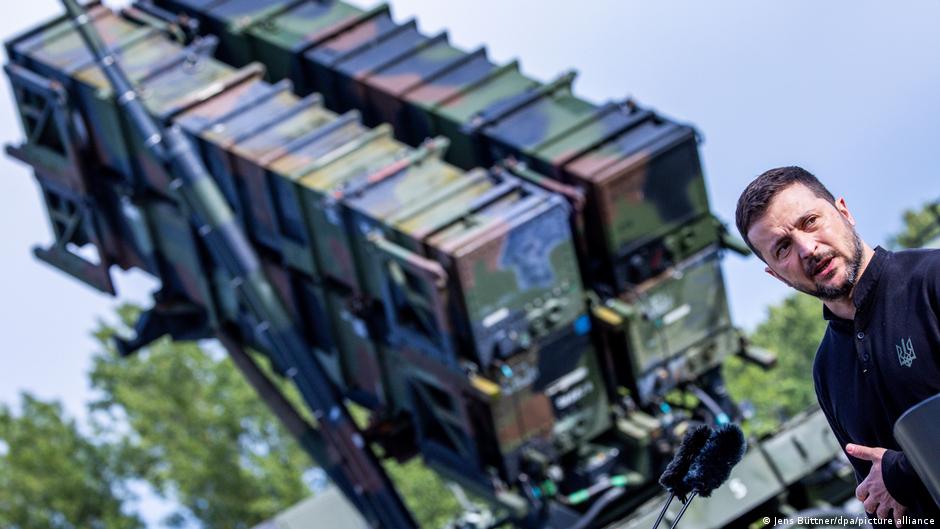
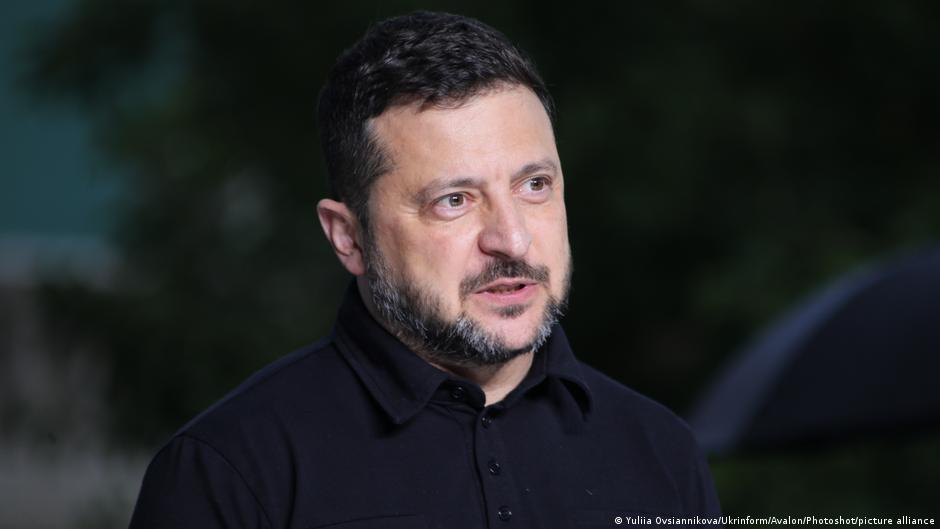
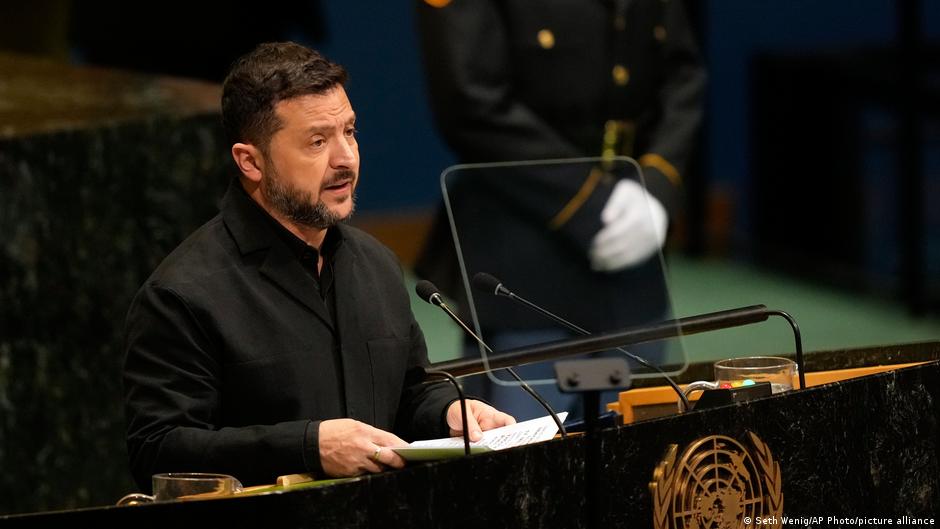
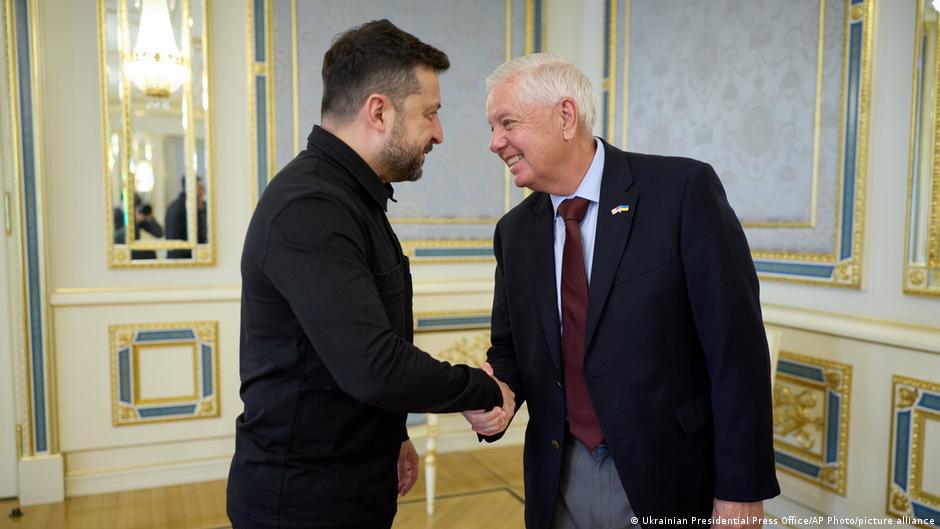
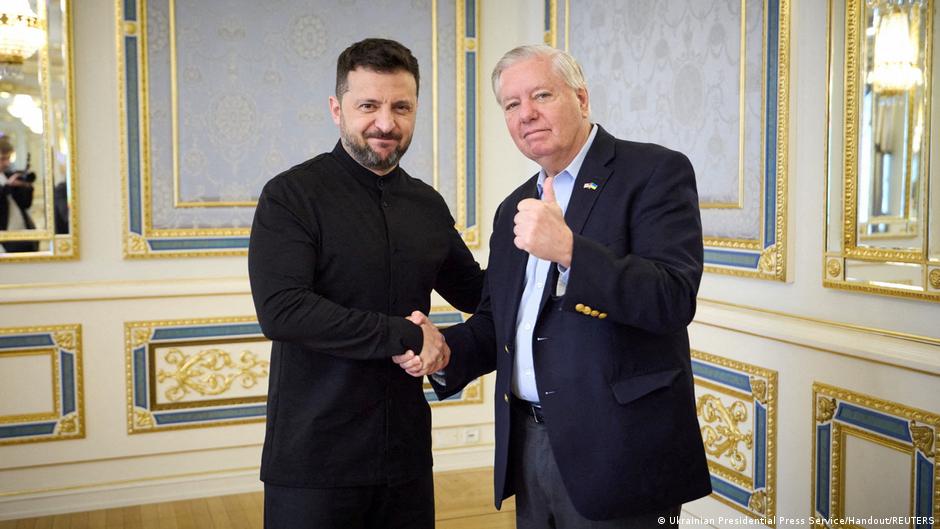
President Zelensky has nominated Sergey Koretsky as Ukraine's new prime minister, with parliament expected to approve the government reshuffle on July 16, including key defense ministry changes.

US military launches targeted strikes on Iranian ports and infrastructure, prompting retaliatory attacks on American bases and signaling a complex strategic standoff in the Persian Gulf.

The US is negotiating to restore an Iraq-Syria oil pipeline to bypass the Strait of Hormuz, aiming to reduce Iran's influence and secure alternative energy export routes.

The US has launched strikes against Iran to prevent attacks on civilian shipping in the Strait of Hormuz, escalating tensions with significant business and geopolitical implications.

The US launched a third wave of strikes on Iran after the IRGC attacked a civilian container ship in the Strait of Hormuz, leading to the strategic waterway's closure and escalating regional tensions.

Russian missile strikes on Kyiv injure six amid record civilian casualties; Ukraine escalates drone attacks on Russian oil refineries, signaling intensifying conflict dynamics.

Russia has closed the Azov-Don canal indefinitely following Ukrainian drone attacks on vessels, disrupting vital grain export routes and raising strategic concerns for corporate logistics.

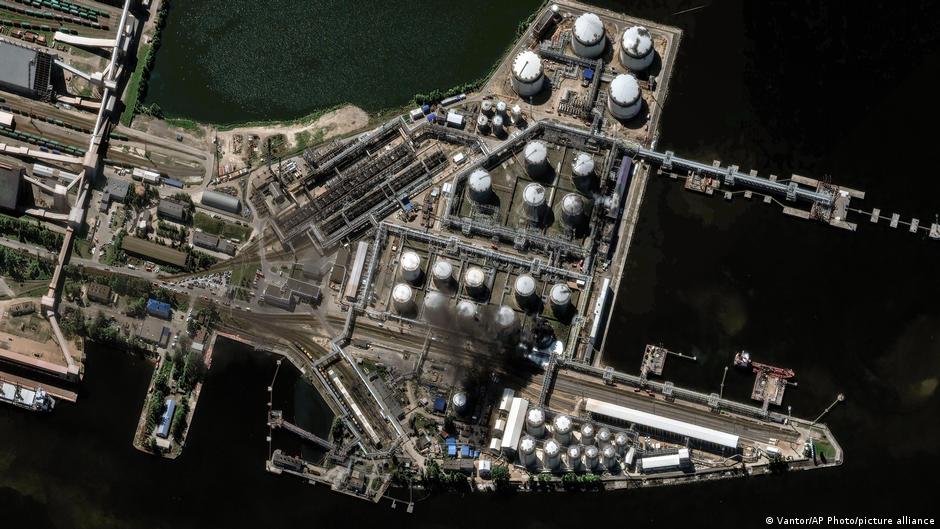
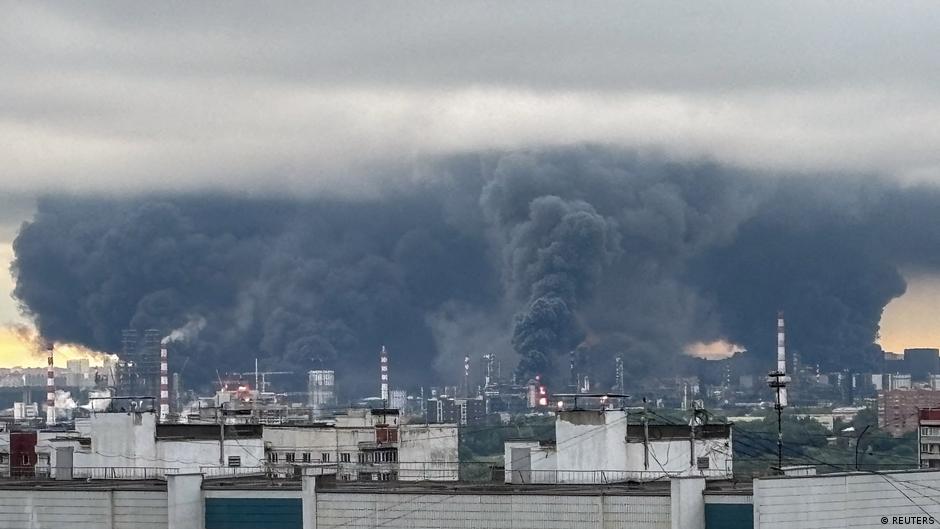
The Saratov refinery has halted operations after Ukrainian drone strikes damaged its primary processing unit, worsening fuel shortages in Russia amid ongoing refinery attacks.

The US has launched new military strikes against Iranian targets to limit Tehran's interference with shipping in the Strait of Hormuz, escalating tensions after tanker attacks.

Gasoline prices in annexed Crimea have surged by nearly 80% in early July amid Russia’s fuel supply crisis and export restrictions.

The US military launched strikes on Iranian targets following attacks on tankers in the Strait of Hormuz, alongside renewed sanctions on Iranian oil, escalating tensions and complicating Gulf security.

Cuba experiences a full nationwide blackout amid worsening energy shortages and U.S. sanctions, with stalled diplomatic talks limiting prospects for resolution.

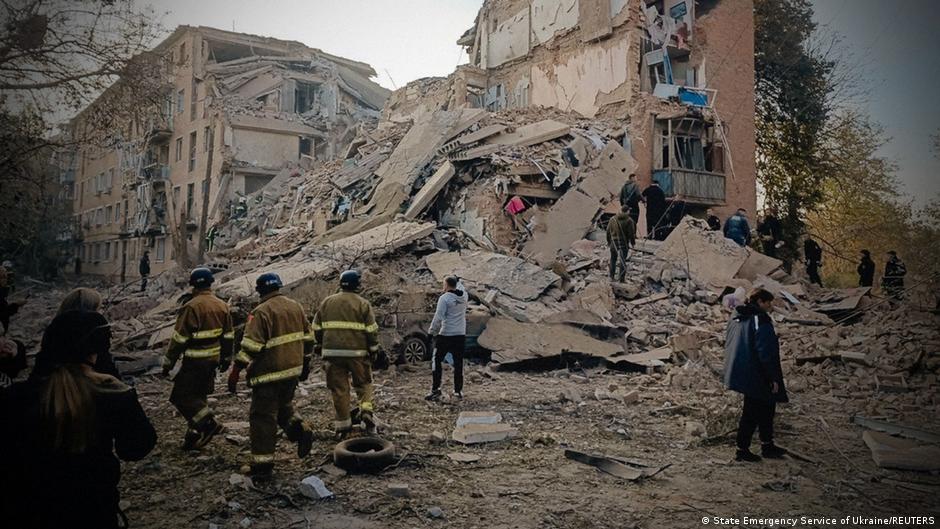
Russia launched multiple attacks across Ukraine on July 2, causing civilian deaths and injuries and damaging homes and critical infrastructure in several regions.

Russia permits sale of Euro-3 standard fuels domestically through 2026 to mitigate supply shortages caused by refinery disruptions and attacks.

In June 2024, Russian drone and missile strikes on Ukraine dropped significantly, raising questions about Russia’s military production and strategic intentions.

The US extends NIS's operational license amid delays in MOL’s acquisition of Gazprom’s 56% stake, allowing Serbia’s key oil refinery to continue functioning under sanctions.

The U.S. and Iran agreed to halt attacks until June 30 ahead of talks on restoring navigation through the Strait of Hormuz, a vital energy corridor facing ongoing security challenges.

US forces conducted air strikes on Iranian military infrastructure in response to drone attacks on commercial oil tankers near the Strait of Hormuz, escalating regional tensions.

The US conducted airstrikes on Iranian military sites after Iran attacked a Singapore-flagged cargo ship in the Strait of Hormuz, escalating tensions and impacting global trade routes.

Finland has amended its atomic energy law to lift the ban on nuclear weapons import and storage, strengthening its defense posture amid NATO integration and regional security challenges.

France and Italy express concerns over the EU's proposed ban on entry for Russian combatants, fearing broad application that could affect all Russian nationals amid intensified sanctions.

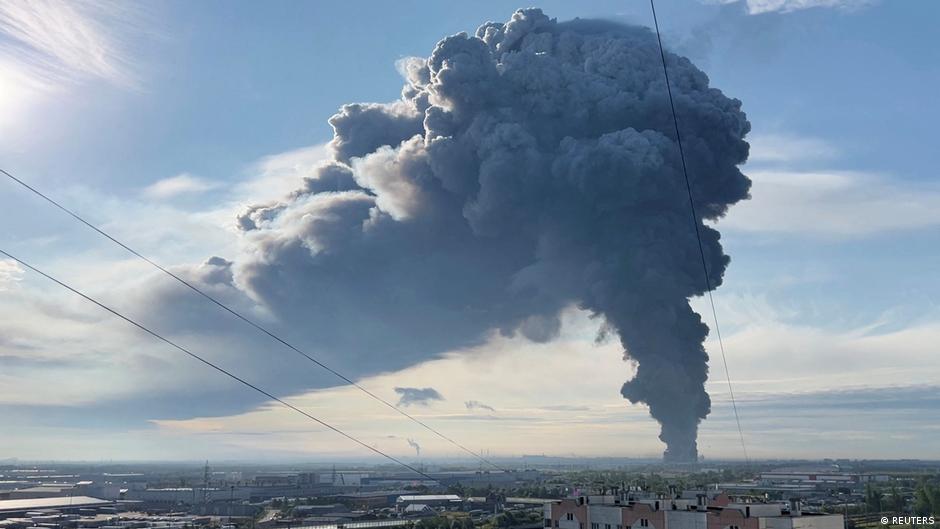
A drone attack has caused a major fire at the Poltavskaya oil depot near Krasnodar, disrupting critical fuel supplies and highlighting vulnerabilities in Russia's regional energy infrastructure.

Russia’s maritime oil exports have reached a 2026 peak amid US sanctions shifts and rising competition from Iran, but falling prices and refinery attacks threaten revenue growth.

The US has imposed sanctions on five Cuban state-owned firms controlling 40% of GDP, targeting GAESA-linked entities and escalating tensions amid legal claims by American companies.

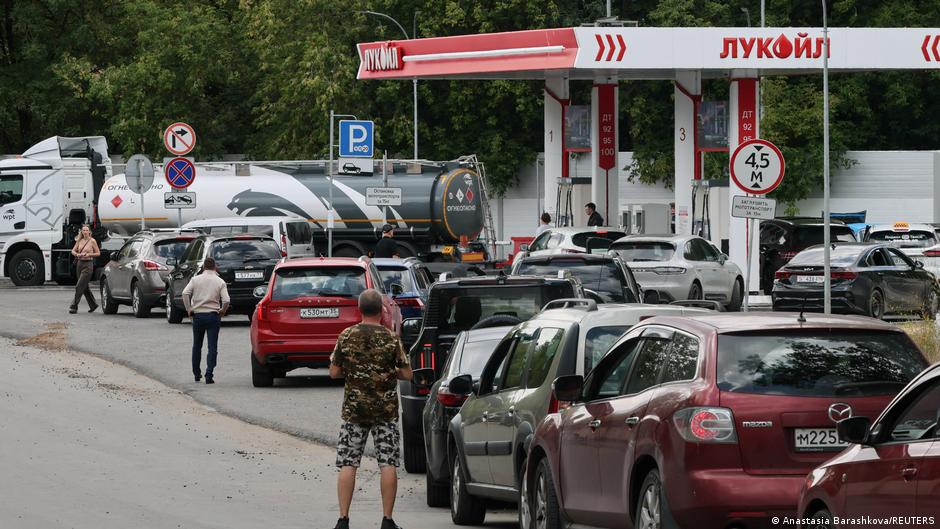
Russian regions are facing fuel rationing due to Ukrainian drone strikes on oil refineries, with over 50 areas imposing gasoline sales limits amid operational disruptions.

The US may impose transit fees for ships passing through the Strait of Hormuz if Iran negotiations fail, linking military strategy with economic policy in a key global trade route.

Germany's Economy Minister urges Turkey to exclude Russian gas from future EU energy deals, highlighting geopolitical and business strategy shifts amid ongoing conflicts.

Ukrainian drone attacks on Crimea have caused fires at Kerch port and other strategic locations, prompting active Russian military defense responses.

Bulgaria’s Prime Minister Rumen Radev announced a veto on the EU’s latest Russia sanctions package, citing economic risks to key sectors and opposing sanctions on Patriarch Kirill.

The US lifts its naval blockade of the Strait of Hormuz, reopening a vital oil passage and setting a 60-day negotiation period aimed at a broader peace deal with Iran.

Pakistan announces the immediate reopening of the Strait of Hormuz after US and Iran sign a memorandum to end hostilities and lift port blockades.

G7 leaders commit to new sanctions on Russian energy and expand military aid to Ukraine, aiming to intensify economic pressure and support Ukraine's defense capabilities.

European leaders back the US-Iran agreement, stressing swift action, nonproliferation, and restoring navigation through the strategic Strait of Hormuz to stabilize markets.

Recent drone attacks in Russia targeted major industrial facilities, including the Azot chemical plant, causing fires and raising urgent security challenges for corporate leaders.

The UAE reportedly unblocked billions in Iranian assets to halt missile attacks, though the Foreign Ministry denies it. This move coincides with nearing US-Iran peace talks.

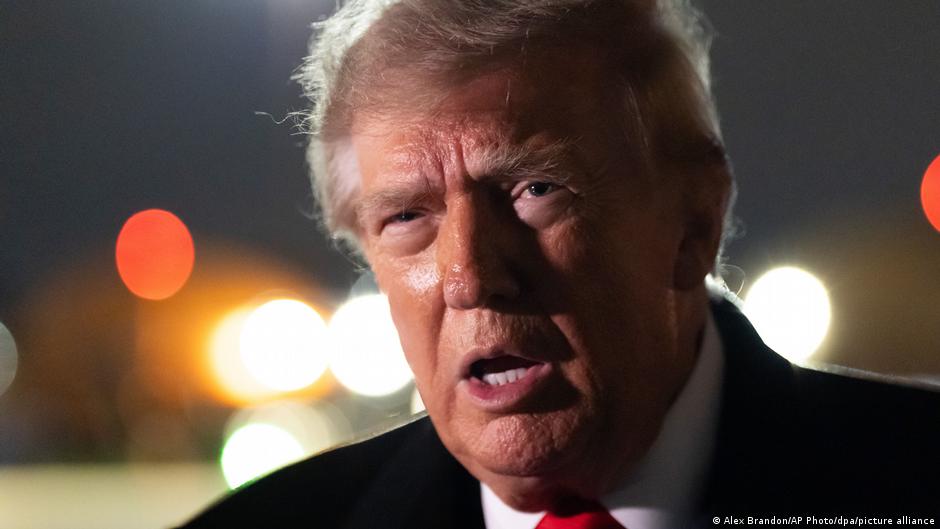
President Trump halted planned airstrikes on Iran amid promising negotiations, signaling a potential multinational nuclear agreement with significant regional and business implications.

The U.S. has sanctioned Cuba’s state oil company CUPET, intensifying pressure on the communist regime amid a severe economic crisis worsened by disrupted Venezuelan oil supplies.

US airstrikes on Iran reignited conflict, prompting Tehran to close the Strait of Hormuz and target US bases, raising global energy and trade concerns.

Twenty-two countries, including the US and European states, publicly condemned Iran for orchestrating attacks targeting dissidents and Jewish communities on their soil.

US forces launched targeted strikes on Iranian air defense sites after Tehran downed an Apache helicopter, heightening tensions near the strategic Strait of Hormuz.