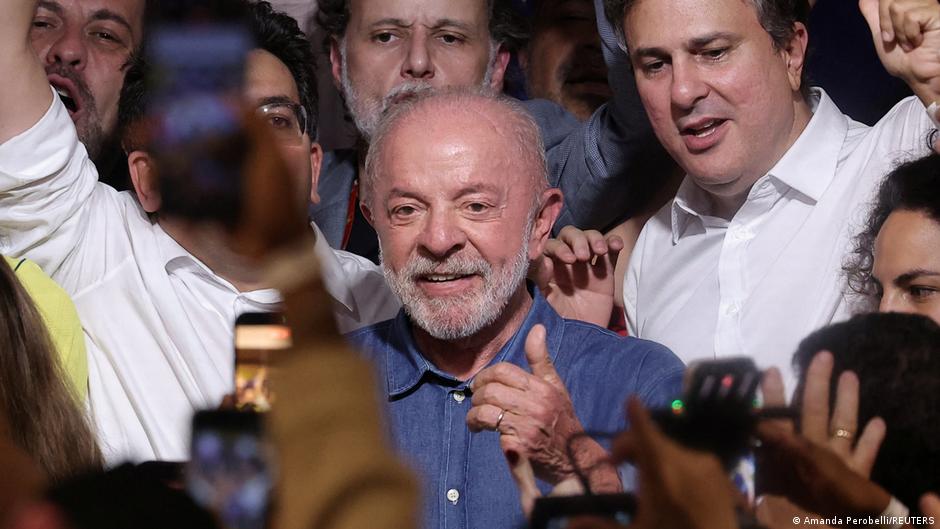
Zelensky Plans Late-September U.S. Meeting on Energy and Food Security
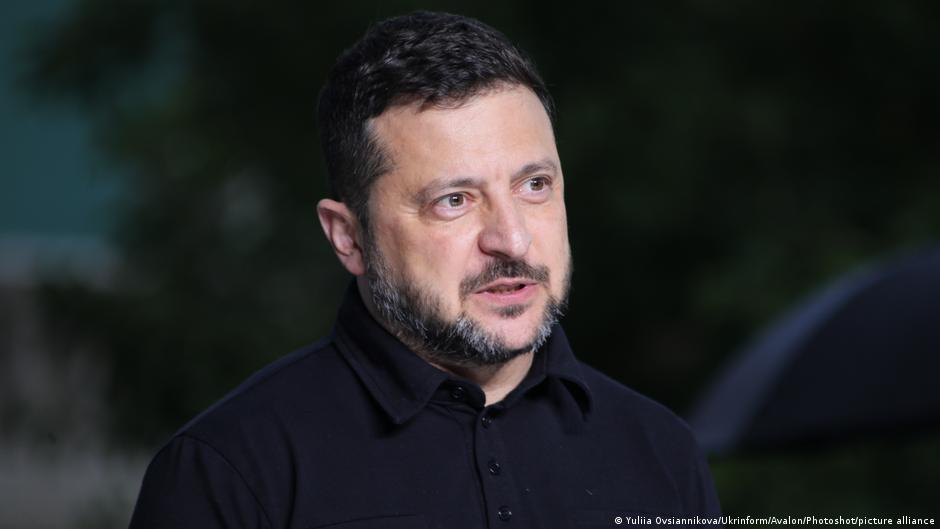
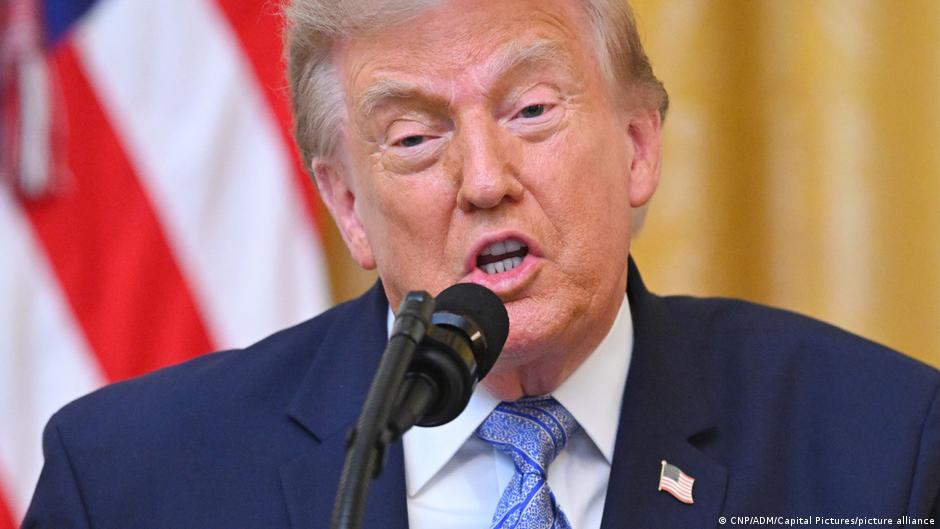
Zelensky expects late-September talks with U.S. officials on energy security, grain exports and Russia’s pressure on Ukraine.
Zelensky expects late-September talks with U.S. officials on energy security, grain exports and Russia’s pressure on Ukraine.

A first reported drone strike on Russia’s Yamal gas region raises new security and strategy questions for energy executives.

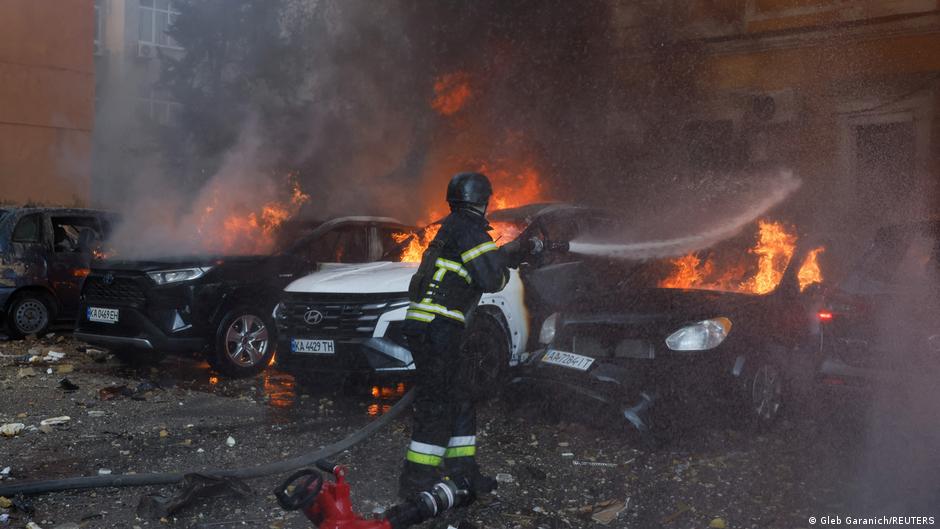
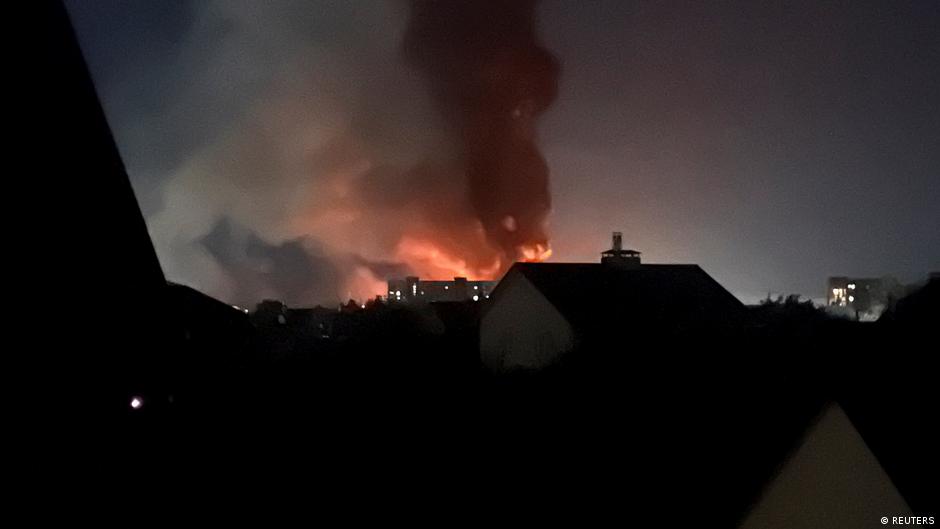
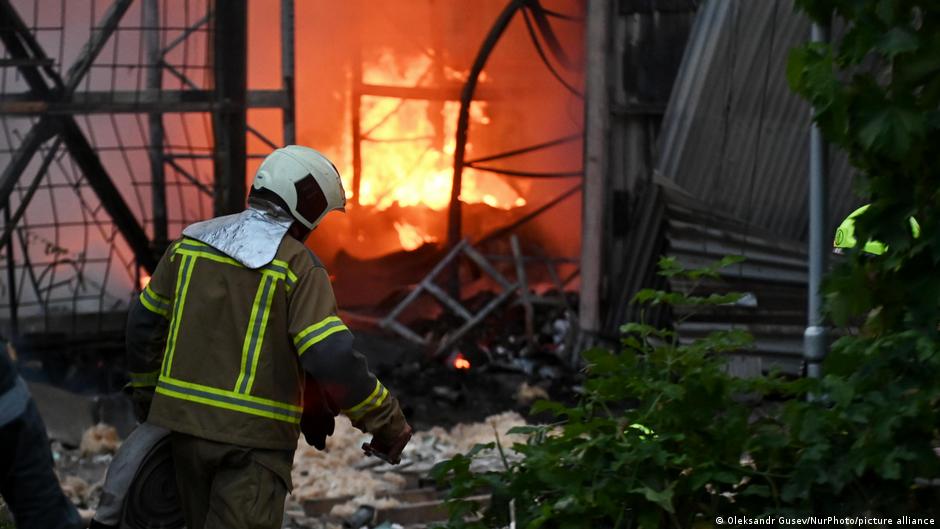
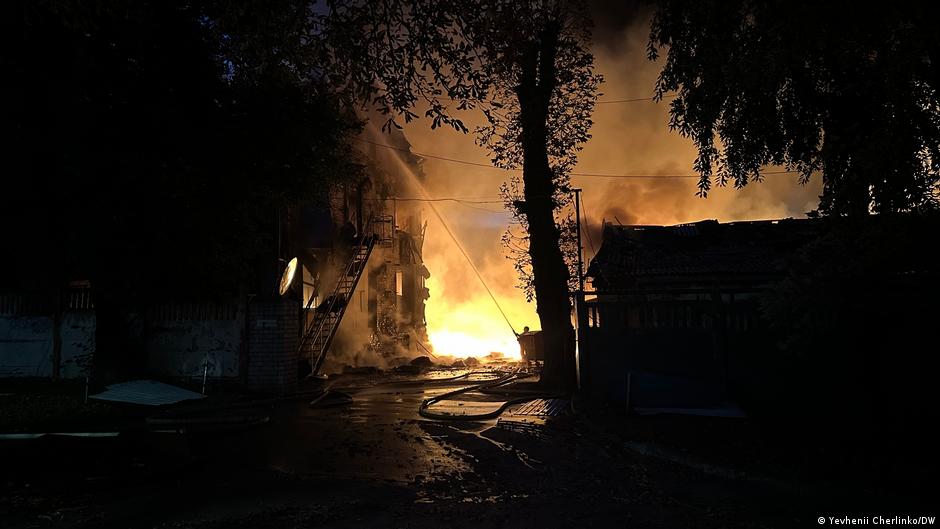
Russian strikes killed four people in Sumy and Mykolaiv, hitting a mall-area parking lot, port infrastructure, warehouses and a postal branch.

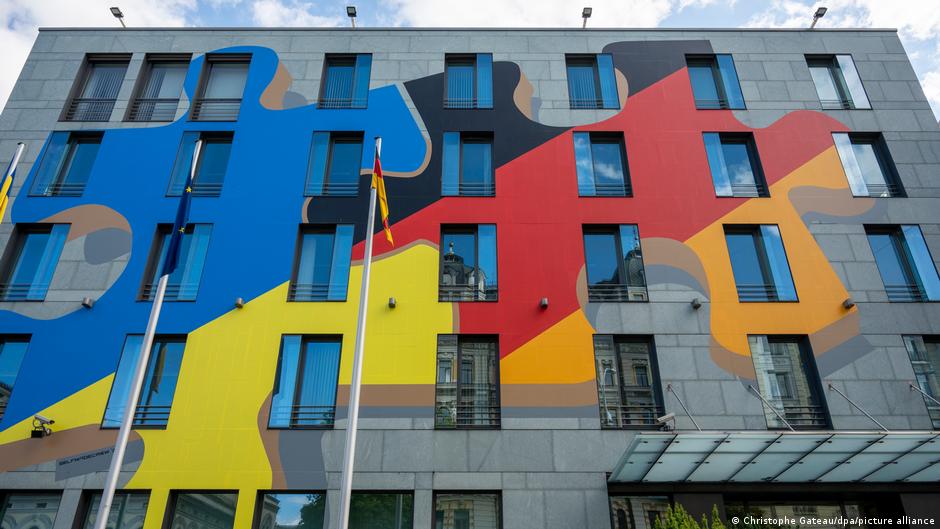
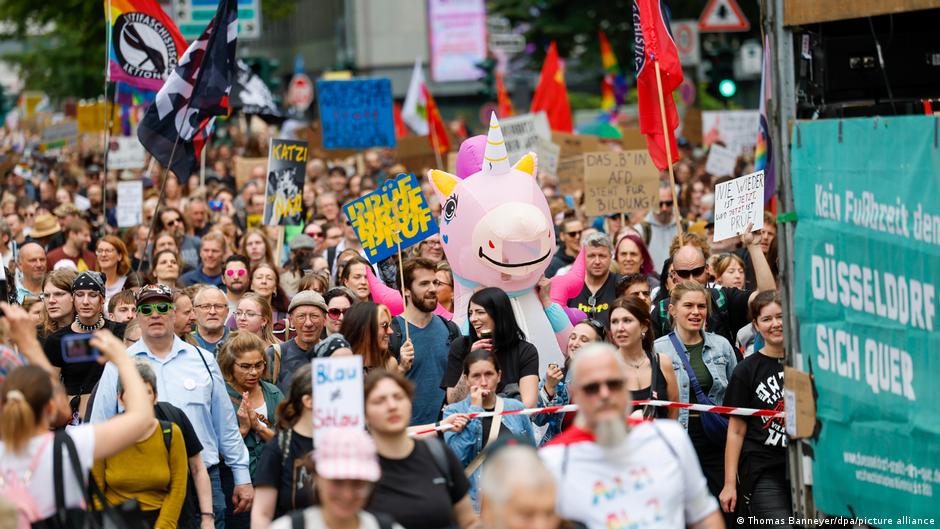
AfD’s projected win in Saxony-Anhalt drew alarm from Poland and France, praise from Czechia, and new political-risk questions for Europe.

AfD won 43.8% in Saxony-Anhalt, but coalition barriers and BSW leverage leave the German state facing a difficult government formation process.

Putin endorsed using volunteers deemed completely unfit for military service to defend rear-area facilities from drones amid recruitment pressure.

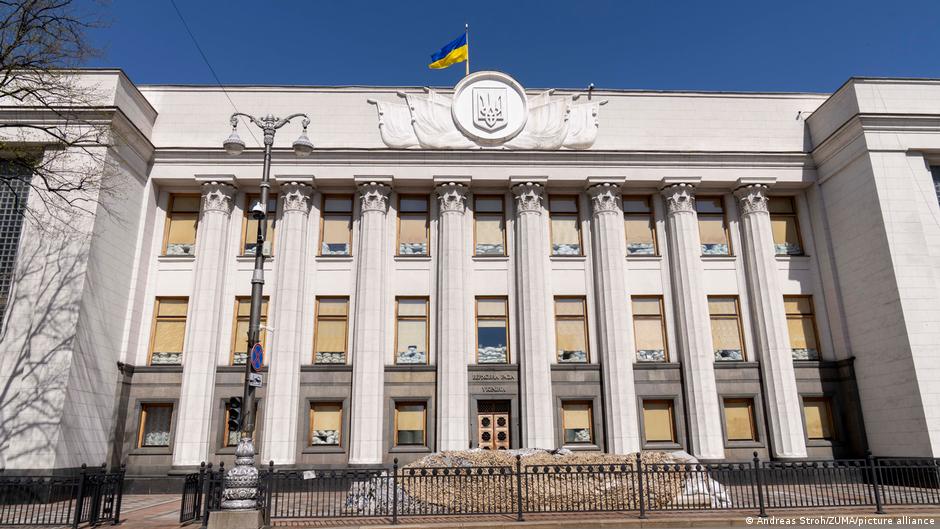
NABU and SAP searched Ukraine’s Prosecutor General’s Office in a probe into alleged protection of fraudulent call centers and asset laundering.

Uzbekistan’s decade of reforms has changed registration, licensing, tax and legal protections, reshaping the strategic calculus for companies.

Putin told Pashinyan that Armenia’s move toward EU membership would effectively mean leaving the EAEU, sharpening the country’s strategic economic choice.

Foreign investment in Germany rose to 86 billion euros in 2025, but a sharp drop in U.S. capital and a surge from the UK reshaped the market.

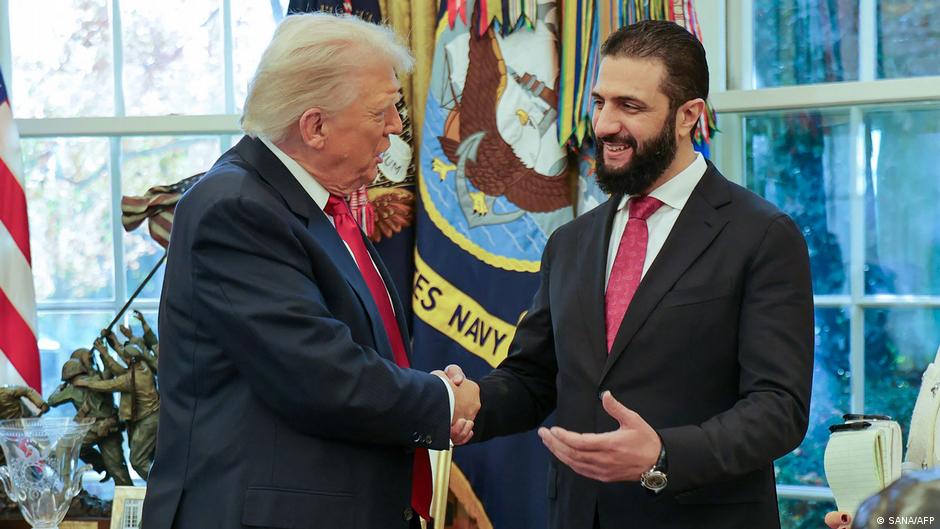
The US has removed Syria from its terrorism sponsor list, signaling a strategic shift with significant implications for business investment and Middle East geopolitics.

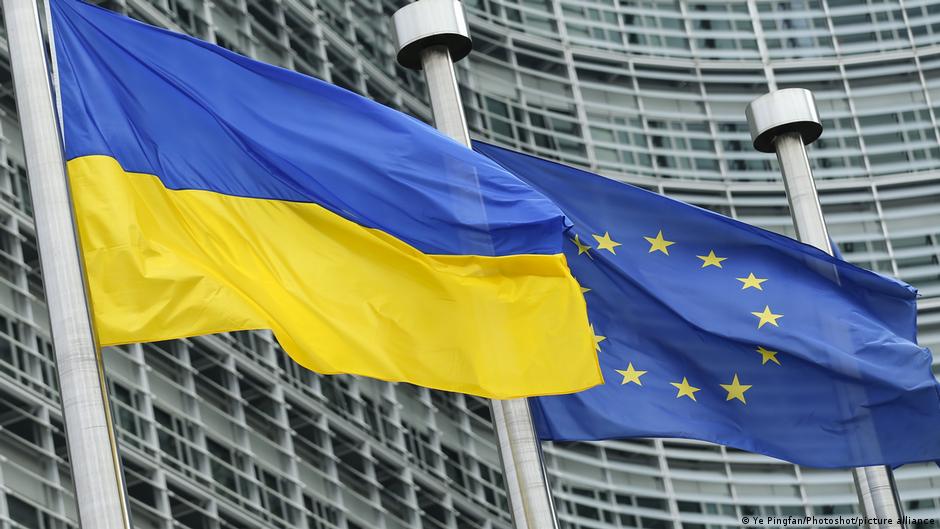
European Council President António Costa reiterates the EU's enduring support for Ukraine, emphasizing sanctions on Russia and Ukraine's future EU integration amid ongoing war and reconstruction.

President Trump announces an unprecedented economic sanctions campaign against Iran, threatening massive penalties for any nation supporting Tehran amid heightened geopolitical tensions.

Ukraine imposes sanctions on 13 ships and 28 companies for illegal grain exports from Russian-occupied territories, aiming to prevent unauthorized international sales.

Ukrainian officials report that Russian forces have executed at least 345 surrendered Ukrainian soldiers and subjected POWs to severe torture, raising serious war crime concerns.

Ukrainian President Zelensky's first post-war visit to Serbia includes talks with President Vucic focused on economic ties, security, and EU relations amid Serbia's complex stance on Russia.

Uzbekistan introduces subsidies covering up to 50% of construction costs for modern swimming pools, boosting tourism and sports infrastructure development.
Uzbekistan advances digital transformation with national navigation and unified governance platforms, aiming to boost IT sector growth and streamline government operations.

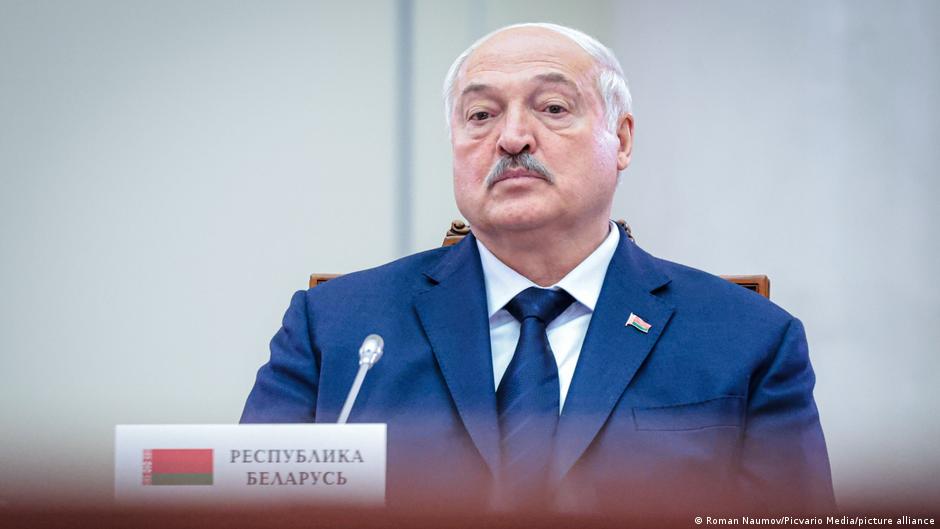
Belarus orders underperforming agricultural workers into military service amid harvest season, linking labor discipline to national security and raising corporate strategy concerns.

A Kremlin-linked bot network is spreading fabricated news to influence voter sentiment in key German state elections, targeting mainstream politicians with false accusations.

The US government imposes 50% tariffs on Canadian imports including wine and cement, escalating trade tensions and challenging the USMCA trade framework.

The IMF has approved a $690 million tranche to Ukraine under its four-year EFF program, acknowledging solid macroeconomic management despite delays in structural reforms amid ongoing conflict.

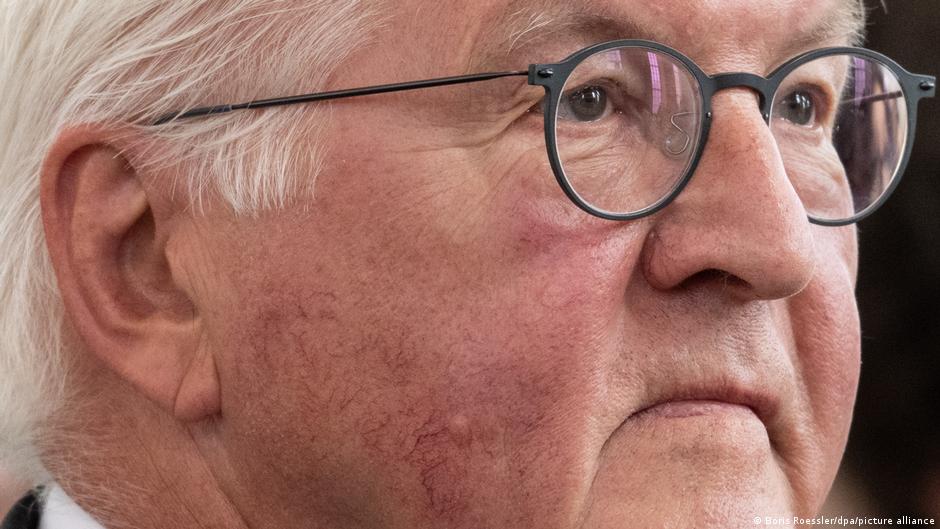
German President Steinmeier urges Europe to respond to the 'ruthless' policies of Russia and the US, emphasizing international law, pragmatic US relations, and social reforms amid rising far-right influence.

President Trump pledges to remove Syria from terrorism sponsors list, lifting sanctions and opening new investment opportunities amid geopolitical realignment.

The US has imposed sanctions on five Cuban state-owned firms controlling 40% of GDP, targeting GAESA-linked entities and escalating tensions amid legal claims by American companies.

Germany's Economy Minister urges Turkey to exclude Russian gas from future EU energy deals, highlighting geopolitical and business strategy shifts amid ongoing conflicts.

US envoy Steven Whitkoff travels to Switzerland for delayed nuclear talks with Iran amid regional conflicts and strategic diplomatic efforts.

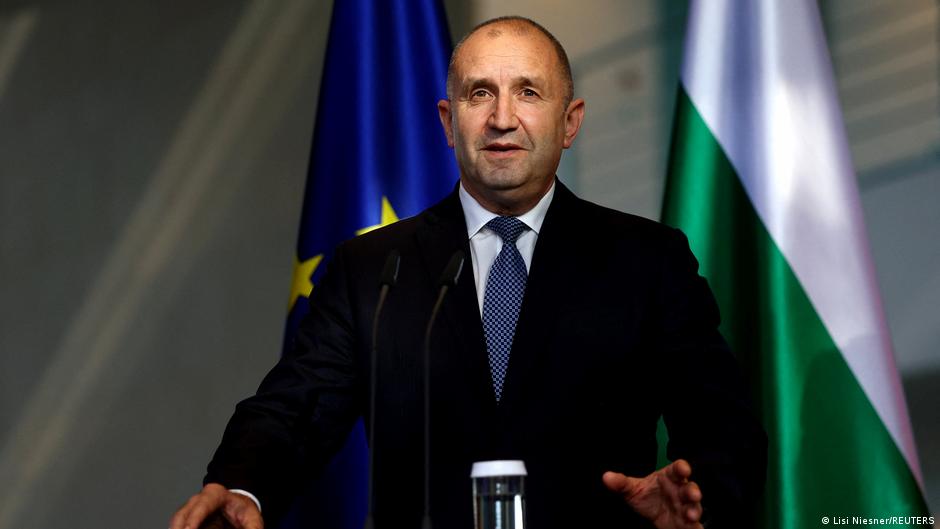
Bulgaria’s Prime Minister Rumen Radev announced a veto on the EU’s latest Russia sanctions package, citing economic risks to key sectors and opposing sanctions on Patriarch Kirill.

EU member states agree to extend Russia sanctions for one year, shifting from previous six-month renewals due to political changes in Hungary and unified condemnation of Russian aggression.

G7 leaders commit to new sanctions on Russian energy and expand military aid to Ukraine, aiming to intensify economic pressure and support Ukraine's defense capabilities.

Germany's labor force deficit is projected to rise by 4.3 million by 2036 due to baby boomer retirements and declining migration, challenging corporate workforce strategies.

European leaders back the US-Iran agreement, stressing swift action, nonproliferation, and restoring navigation through the strategic Strait of Hormuz to stabilize markets.

The U.S. Treasury Department has expanded sanctions against Cuba’s top leadership, including President Diaz-Canel and members of the Castro family, intensifying economic pressure amid deteriorating relations.

Rosneft advisor Andrey Bezrukov warns Russia may face decades of war, urging economic strategies that balance growth with defense readiness amid rising regional tensions.

The EU plans to restrict Microsoft, Google, and Amazon from public cloud tenders in strategic sectors to reduce dependence on US tech firms amid data sovereignty concerns.

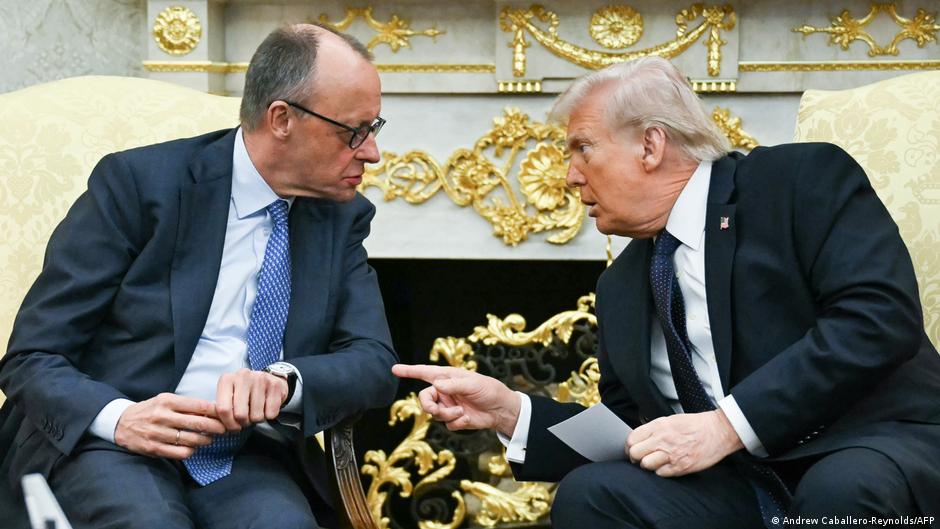
Sources close to Chancellor Friedrich Merz deny rumors of his early replacement amid internal CDU discussions and declining public approval ratings.

Senior Russian officials warned President Putin about the economic harm from intensified internet restrictions starting in 2025, but their concerns were overruled amid reliance on security agencies.

Hungary’s new government reinstates a ban on Ukrainian agricultural imports after a procedural lapse, emphasizing protection of local farmers and reversing previous international legal withdrawal.

The EU and Mexico have signed a comprehensive trade deal eliminating tariffs and easing trade barriers, aiming to boost exports and deepen economic ties by 2030.

US President Donald Trump and Chinese President Xi Jinping held a ceremonial meeting in Beijing to discuss Iran, Taiwan, and trade relations, signaling efforts to strengthen bilateral ties.

The UAE has covertly launched strikes against Iran, marking a strategic shift amid escalating drone attacks and economic disruption in the Gulf region.

Poland has signed a €44 billion EU loan agreement under the Security Action for Europe program to modernize its defense forces, despite presidential veto and political debate.

Uzbek banks saw strong deposit growth in Q1 2026, with Octobank leading a 416% surge, reflecting increased client confidence and liquidity in the sector.

Jean-Luc Mélenchon confirms his candidacy for France's 2027 presidential election, setting up a contest against far-right rivals amid President Macron's term limit.

Germany risks recession in 2026 if the EU retaliates against U.S. auto tariffs, warns Munich's ifo Institute amid escalating trade tensions.

Oxfam reports a 56% rise in CEO pay among Germany’s DAX 40 companies since 2019, while average worker wages remain below pre-pandemic levels, intensifying income inequality.

Uzbekistan’s Central Bank retains its 14% key rate due to persistent food inflation and external economic risks despite a general decline in inflation.

Uzbekistan’s suspension of gold exports since September 2025 has led to a nearly 30% drop in exports, reshaping trade dynamics and impacting corporate strategies.

Uzbekistan accelerates Asakabank's privatization, transferring non-core assets and injecting $95M capital to streamline operations ahead of market-driven ownership by 2026.