Finland Completes 200-Kilometer Border Fence as Security Risks Reshape Policy
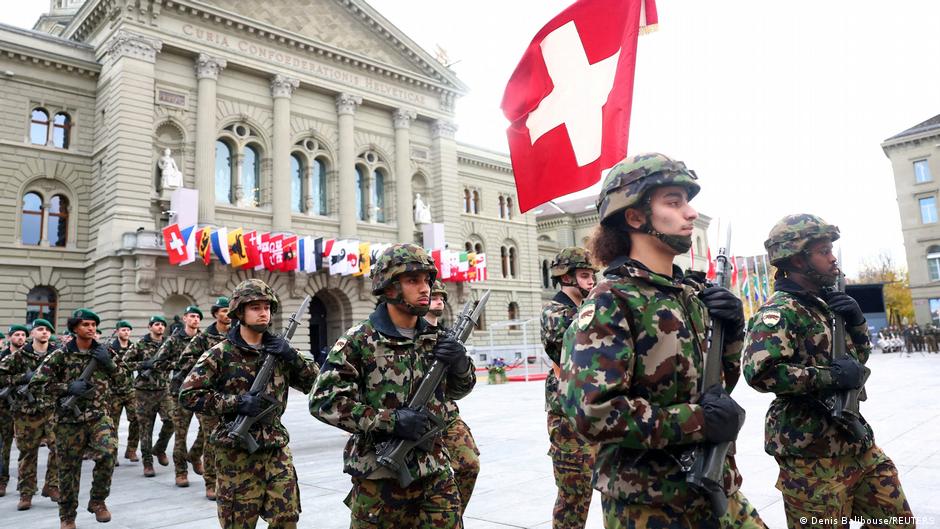
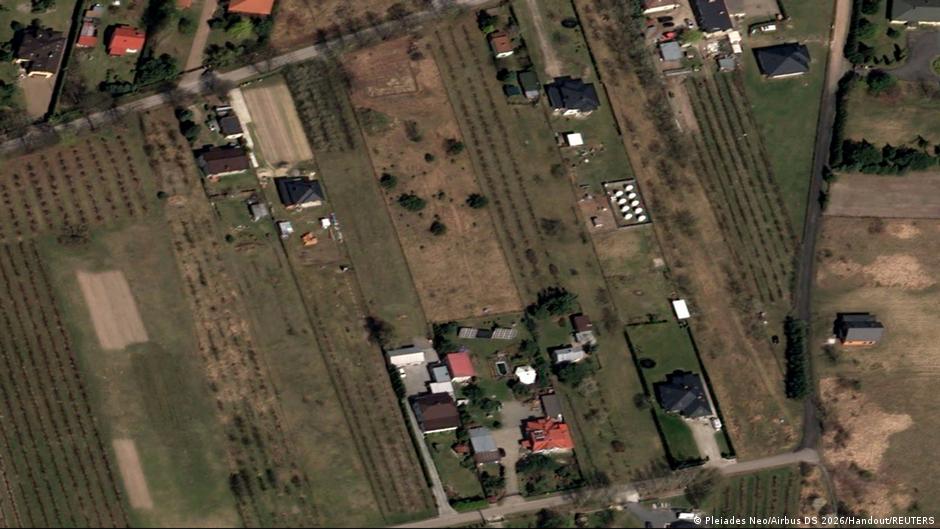
Finland has completed a 200-kilometer fence on its border with Russia, underscoring how security risks are reshaping infrastructure strategy.

Finland has completed a 200-kilometer fence on its border with Russia, underscoring how security risks are reshaping infrastructure strategy.

Latvia says a suspect in the Leipzig airport sabotage case had lived in Russia, as the investigation deepens scrutiny of aviation, logistics and security.

Scott Bessent reportedly told Anton Siluanov that the U.S. will not ease pressure on Russia before the war in Ukraine ends, reinforcing a hard line for business.

Finland summoned the Russian ambassador after a Russian Il-20 reconnaissance plane briefly entered its airspace, highlighting rising regional security challenges.

Latvia publicly lists 170 companies still trading with Russia and Belarus, spotlighting corporate strategies amid war and sanctions.

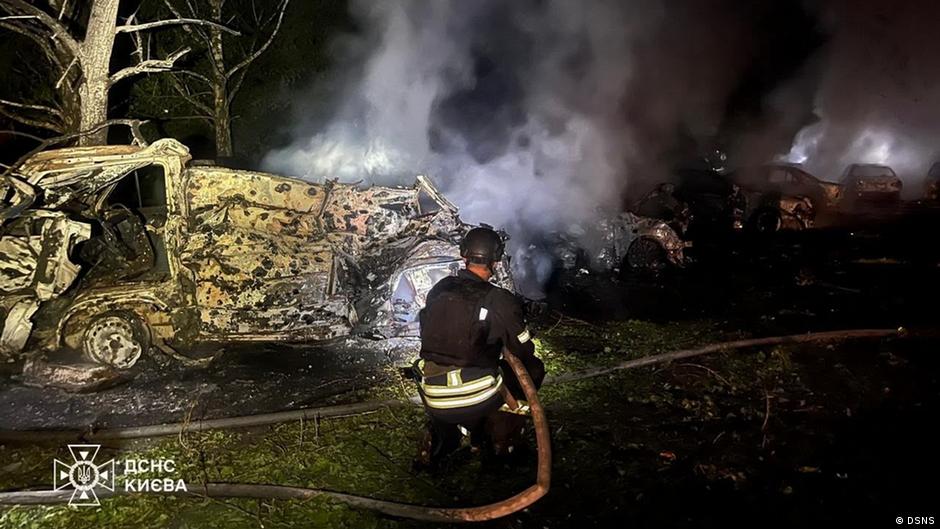
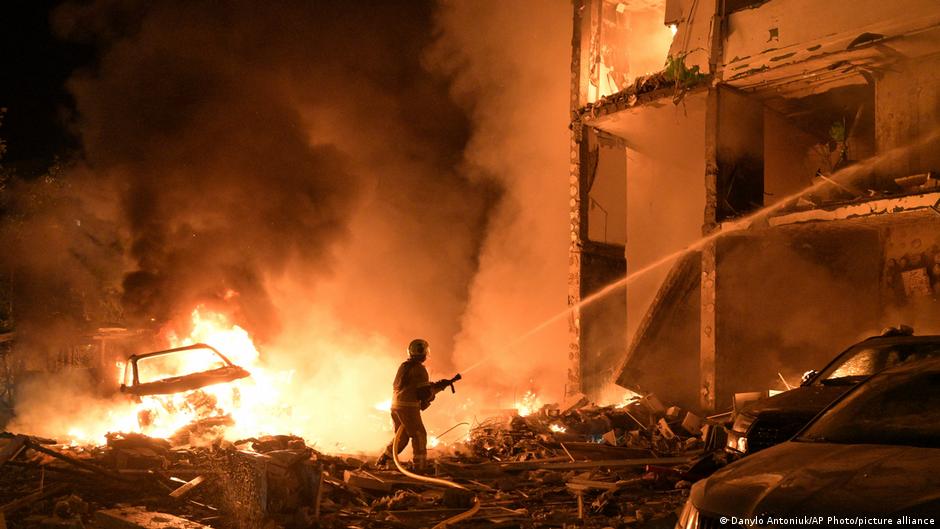
Russian ballistic missile attack on Kyiv kills at least five and damages residential buildings and a children's hospital, highlighting escalating risks for civilians and infrastructure.

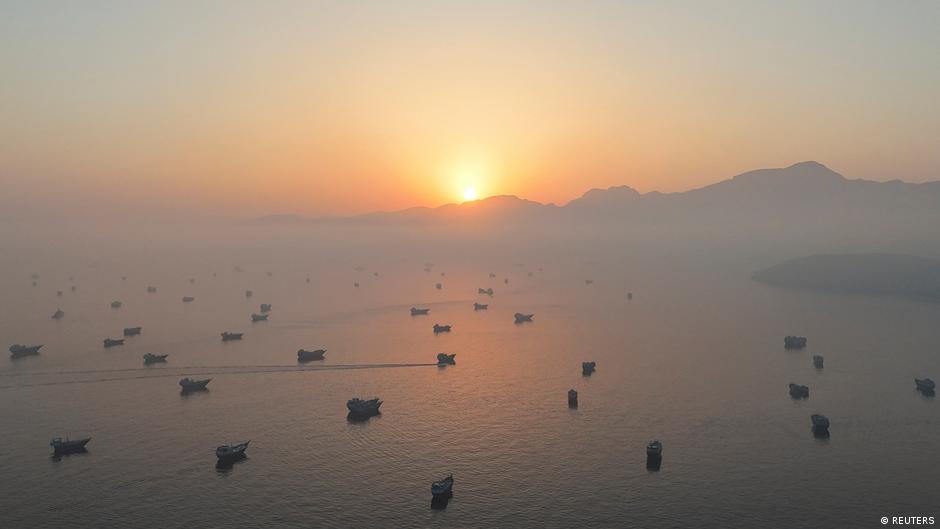
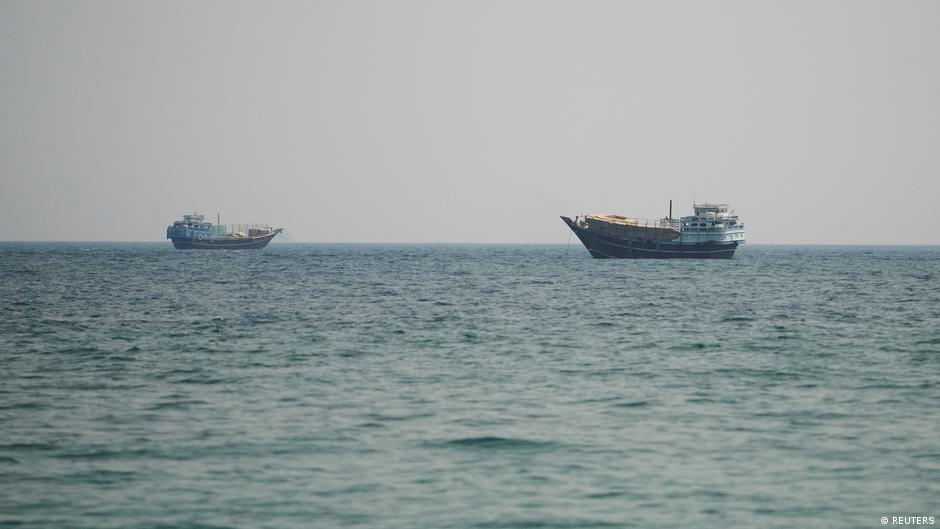
President Trump plans to declare the Strait of Hormuz U.S. territory, signaling indefinite military deployment amid ongoing U.S.-Iran tensions over the strategic waterway.

Cl0p hacker group linked to Russia claims breaches at 50 companies including Philips, Shell, Fiserv and GE, raising urgent cybersecurity concerns for global business leaders.

Ukrainian officials report that Russian forces have executed at least 345 surrendered Ukrainian soldiers and subjected POWs to severe torture, raising serious war crime concerns.

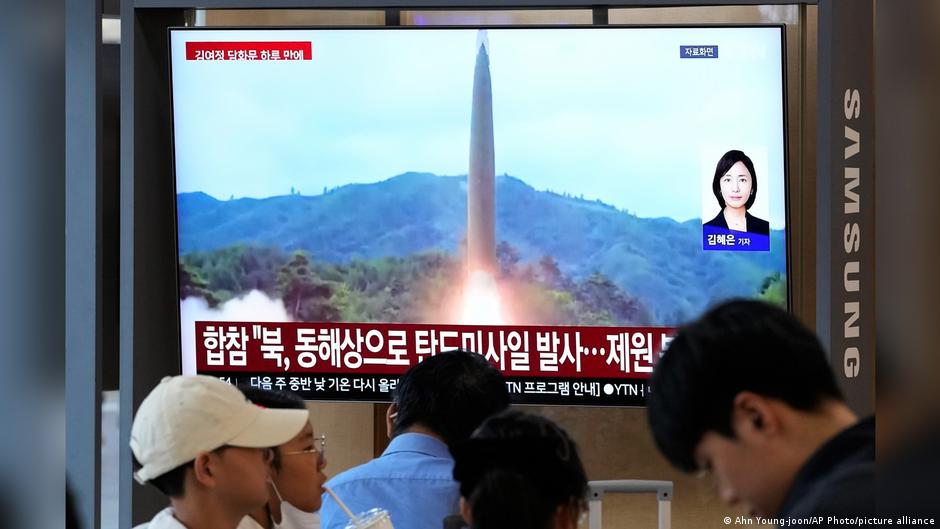
More than 40 countries, including the US, urge mandatory 24-hour notifications before ballistic missile tests to reduce risks and foster global security trust.

Russian military attacks across eastern Ukraine have killed four civilians, injured several others, and damaged critical infrastructure, raising operational risks for regional businesses.

A Ukrainian drone attack on Belgorod injured 13 people and damaged residential buildings near the local FSB office and thermal power plant, raising concerns over critical infrastructure security.

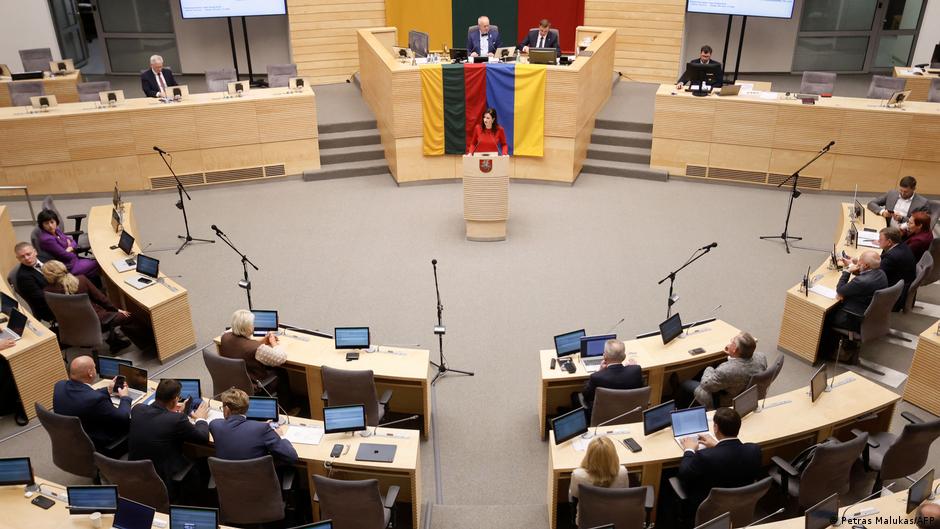
Lithuania warns Russia may deploy captured Ukrainian drones to target Baltic critical infrastructure, prompting increased regional defense measures and NATO involvement.

Russian banks' websites are flagged as insecure by major international browsers due to revoked TLS/SSL certificates amidst Western sanctions, complicating global access and cybersecurity strategy.

NATO is considering deploying tactical nuclear weapons in Finland, Poland, and Lithuania amid rising security concerns from Russia’s actions in Eastern Europe.

The U.S. Senate advances a bipartisan sanctions bill empowering the President to impose steep tariffs on Russia, impacting energy trade and corporate risk strategies.

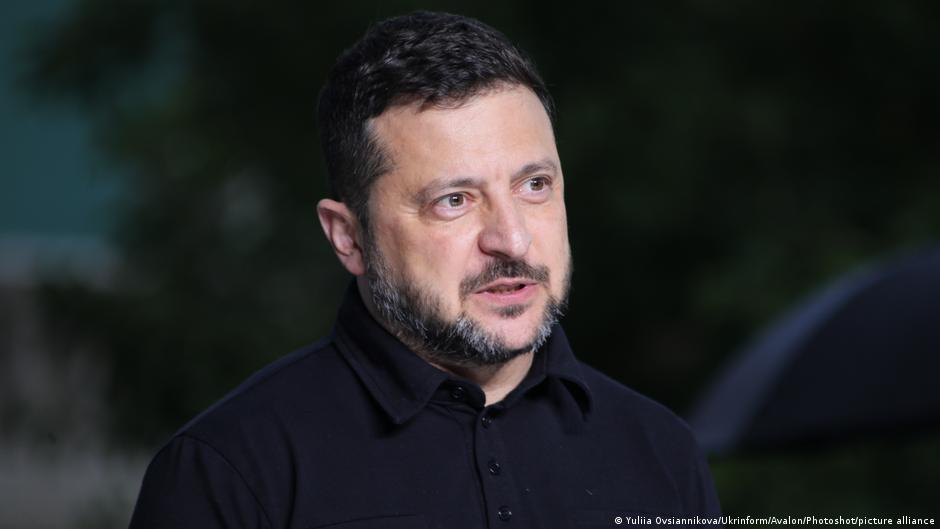
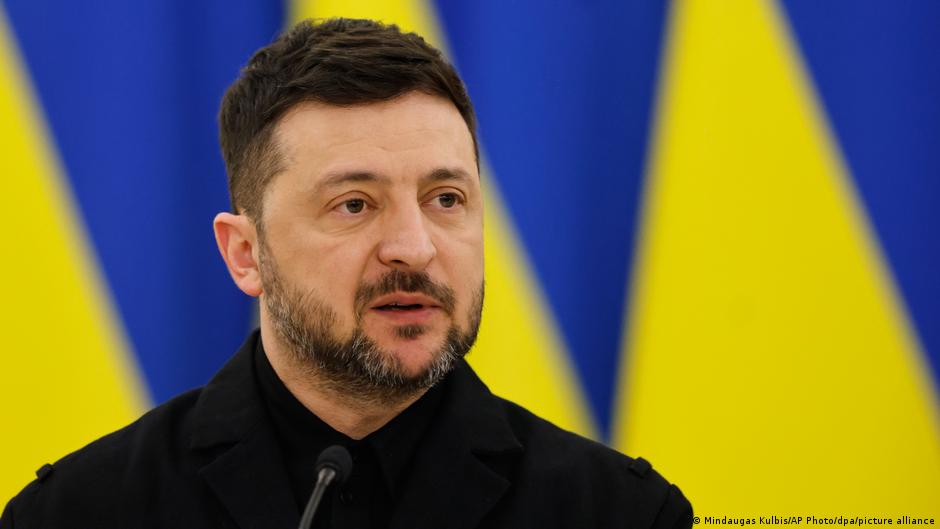
Ukraine's Zelensky warns Russia plans to expand military mobilization in fall 2026 and may enlist 30,000 North Korean troops, signaling increased conflict intensity and geopolitical risks.

A Kremlin-linked bot network is spreading fabricated news to influence voter sentiment in key German state elections, targeting mainstream politicians with false accusations.

Russia's oil and gas revenues in July may rise 60% year-on-year due to higher global prices, despite ongoing sanctions and a year-to-date revenue decline.

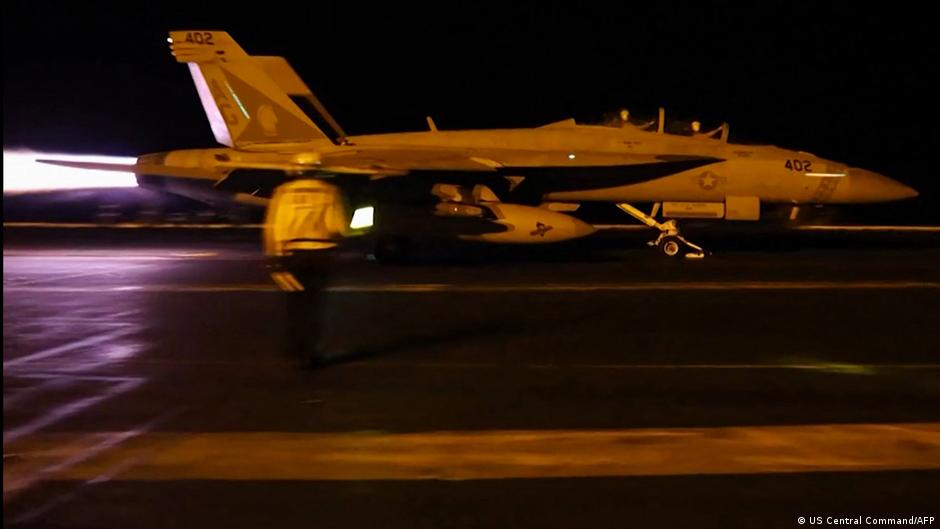
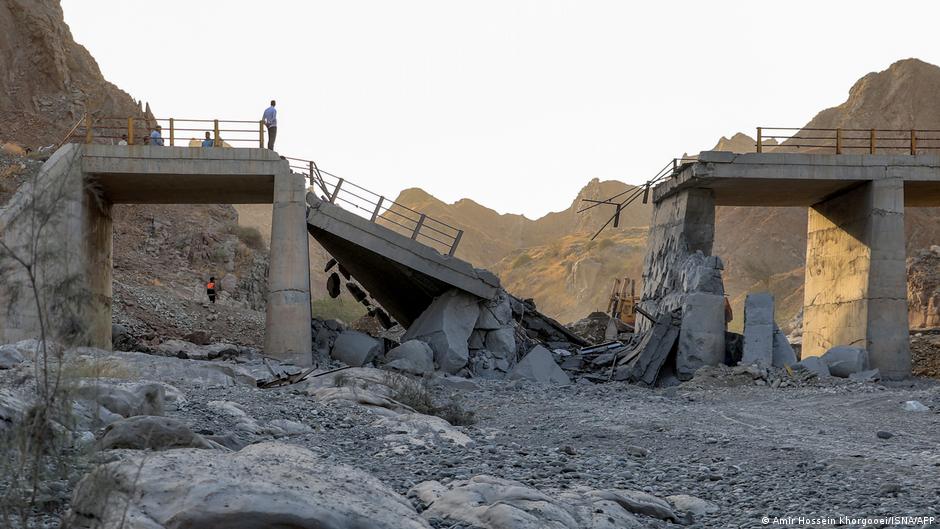
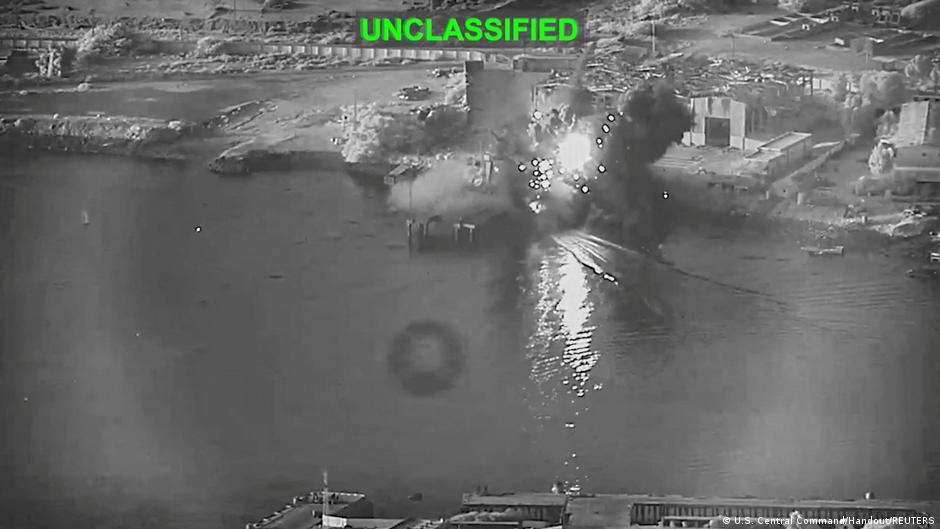
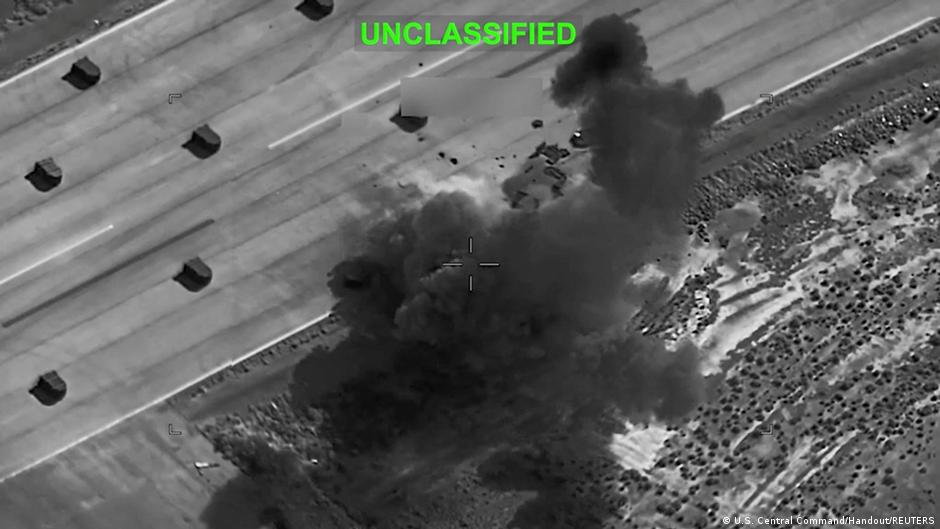
The US military has conducted ten consecutive days of strikes against Iranian targets, escalating tensions in the Persian Gulf as Tehran retaliates with drone and missile attacks.

US forces continue nightly strikes against Iran, with Iranian counterattacks targeting US bases and disrupting critical energy shipping routes in the Strait of Hormuz.

US military strikes on Iranian infrastructure escalate tensions, prompting Iranian retaliation and regional security alerts, with significant implications for global energy markets.

Russian forces launched missile and drone attacks on Kyiv and Kharkiv, causing casualties and damage to infrastructure, raising concerns for business stability and urban governance.

The US is negotiating to restore an Iraq-Syria oil pipeline to bypass the Strait of Hormuz, aiming to reduce Iran's influence and secure alternative energy export routes.

German Foreign Minister Johann Wadephul defends the International Criminal Court against U.S. claims of sovereignty threats amid a U.S. campaign targeting the tribunal’s authority.

The US has launched strikes against Iran to prevent attacks on civilian shipping in the Strait of Hormuz, escalating tensions with significant business and geopolitical implications.

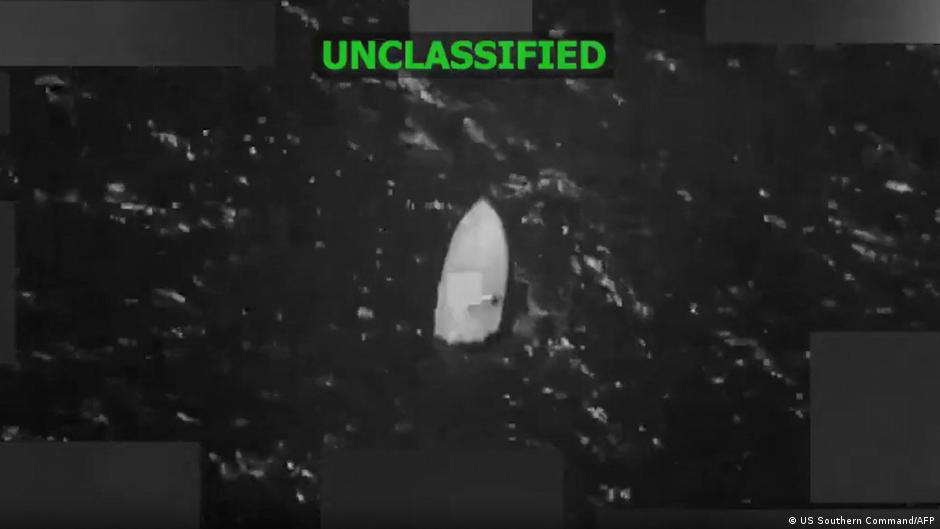
The US launched a third wave of strikes on Iran after the IRGC attacked a civilian container ship in the Strait of Hormuz, leading to the strategic waterway's closure and escalating regional tensions.

Russian missile strikes on Kyiv injure six amid record civilian casualties; Ukraine escalates drone attacks on Russian oil refineries, signaling intensifying conflict dynamics.

June 2026 marks the deadliest month for civilians in Ukraine since the Russian invasion, with escalating casualties signaling deepening humanitarian and strategic challenges.

President Trump pledges to remove Syria from terrorism sponsors list, lifting sanctions and opening new investment opportunities amid geopolitical realignment.

Cuba experiences a full nationwide blackout amid worsening energy shortages and U.S. sanctions, with stalled diplomatic talks limiting prospects for resolution.

Russian attacks on Ukrainian cities including Kharkiv and Zaporizhzhia caused four deaths and 25 injuries, with significant damage to civilian infrastructure reported.

Russian drone and missile strikes on Sumy and Zaporizhzhia caused civilian deaths and injuries, and damaged residential and industrial sites, impacting regional stability.

In June 2024, Russian drone and missile strikes on Ukraine dropped significantly, raising questions about Russia’s military production and strategic intentions.

The US extends NIS's operational license amid delays in MOL’s acquisition of Gazprom’s 56% stake, allowing Serbia’s key oil refinery to continue functioning under sanctions.

Poland expelled 11 individuals accused of recruiting Ukrainian refugees for protests financed by Russia, reflecting ongoing foreign interference concerns.

The U.S. and Iran agreed to halt attacks until June 30 ahead of talks on restoring navigation through the Strait of Hormuz, a vital energy corridor facing ongoing security challenges.

US forces conducted air strikes on Iranian military infrastructure in response to drone attacks on commercial oil tankers near the Strait of Hormuz, escalating regional tensions.

The US conducted airstrikes on Iranian military sites after Iran attacked a Singapore-flagged cargo ship in the Strait of Hormuz, escalating tensions and impacting global trade routes.

Russia closes Romanian Consulate in St. Petersburg, responding to Romania's closure of the Russian Consulate in Constanța following a drone incident in Galați, Romania.

A drone attack has caused a major fire at the Poltavskaya oil depot near Krasnodar, disrupting critical fuel supplies and highlighting vulnerabilities in Russia's regional energy infrastructure.

The U.S. Senate passed a resolution urging withdrawal of troops from conflict zones involving Iran, signaling bipartisan concern over ongoing hostilities and highlighting congressional oversight in foreign policy.

Russian forces struck Zaporizhzhia on June 23, injuring two civilians and damaging homes and infrastructure amid escalating military operations in Ukraine.

US intelligence warns Israeli PM Netanyahu may seek to disrupt the US-Iran deal due to security concerns over Hezbollah and domestic election considerations.

The US lifts its naval blockade of the Strait of Hormuz, reopening a vital oil passage and setting a 60-day negotiation period aimed at a broader peace deal with Iran.

Russia launched ballistic missile strikes on Kyiv and other Ukrainian cities shortly after the G7 pledged increased support to Ukraine, raising geopolitical and business risks.

Pakistan announces the immediate reopening of the Strait of Hormuz after US and Iran sign a memorandum to end hostilities and lift port blockades.

President Trump halted planned airstrikes on Iran amid promising negotiations, signaling a potential multinational nuclear agreement with significant regional and business implications.

US airstrikes on Iran reignited conflict, prompting Tehran to close the Strait of Hormuz and target US bases, raising global energy and trade concerns.

Twenty-two countries, including the US and European states, publicly condemned Iran for orchestrating attacks targeting dissidents and Jewish communities on their soil.