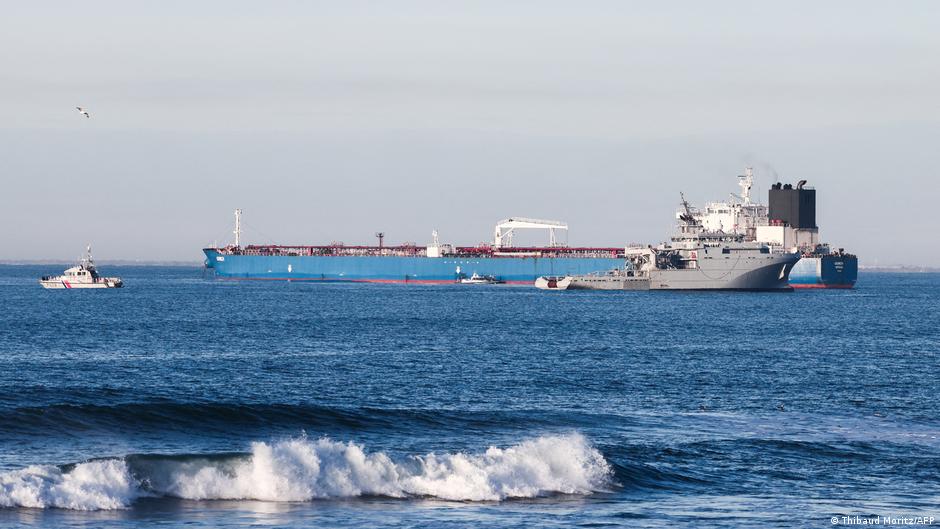
Houthi Capture of Mocha Raises Boardroom Risks Around Red Sea Oil Routes
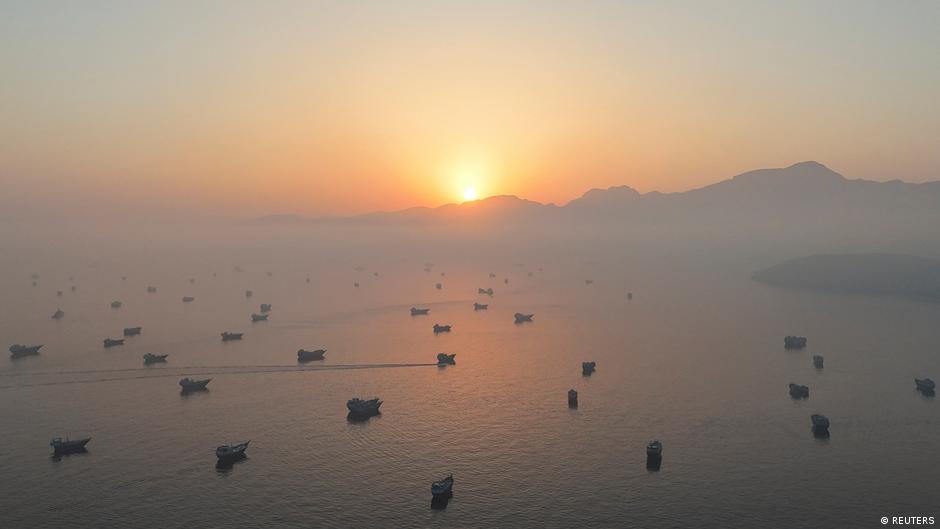
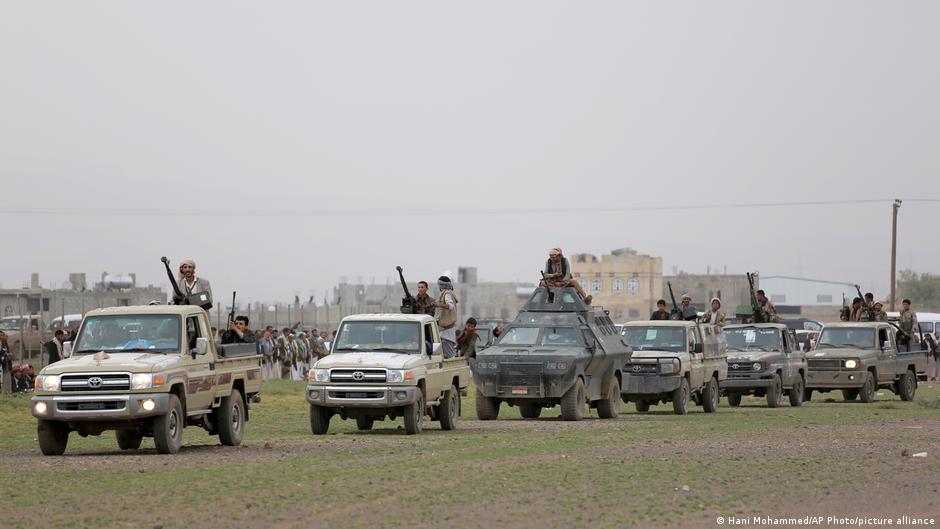
Houthi control of Mocha heightens risks around Bab el-Mandeb, a Red Sea route central to oil supply, shipping decisions and U.S. Iran strategy.

Houthi control of Mocha heightens risks around Bab el-Mandeb, a Red Sea route central to oil supply, shipping decisions and U.S. Iran strategy.

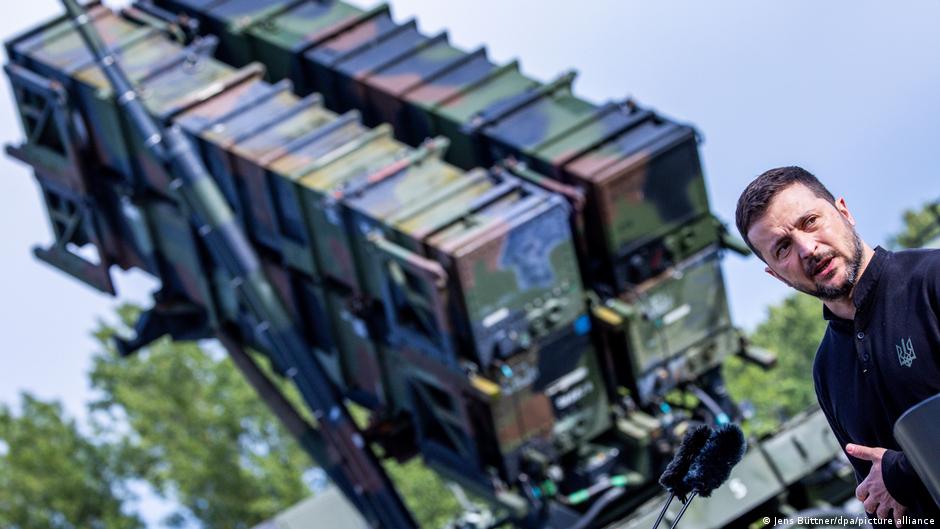
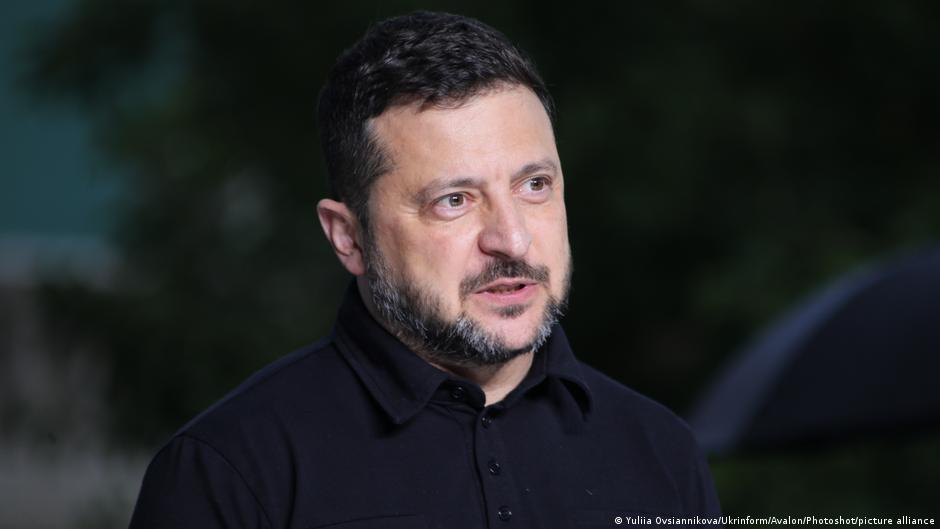
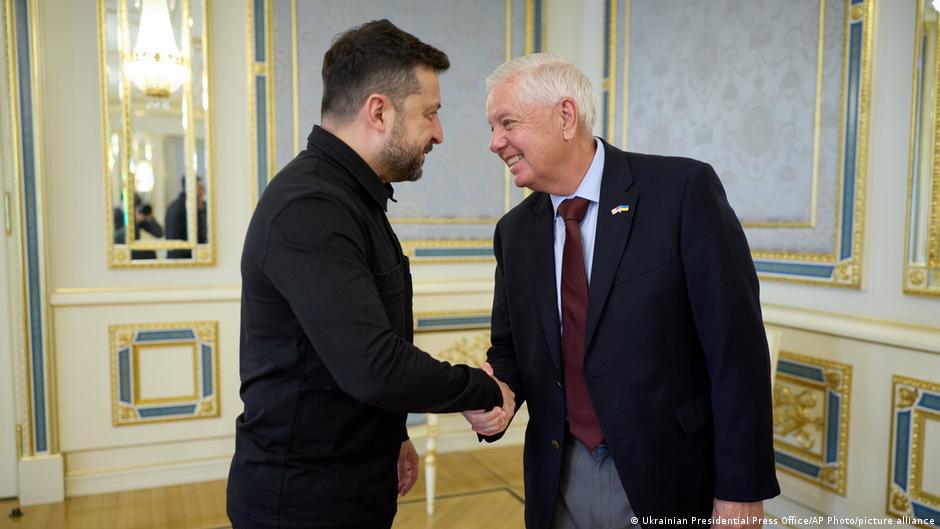
Zelensky expects late-September talks with U.S. officials on energy security, grain exports and Russia’s pressure on Ukraine.
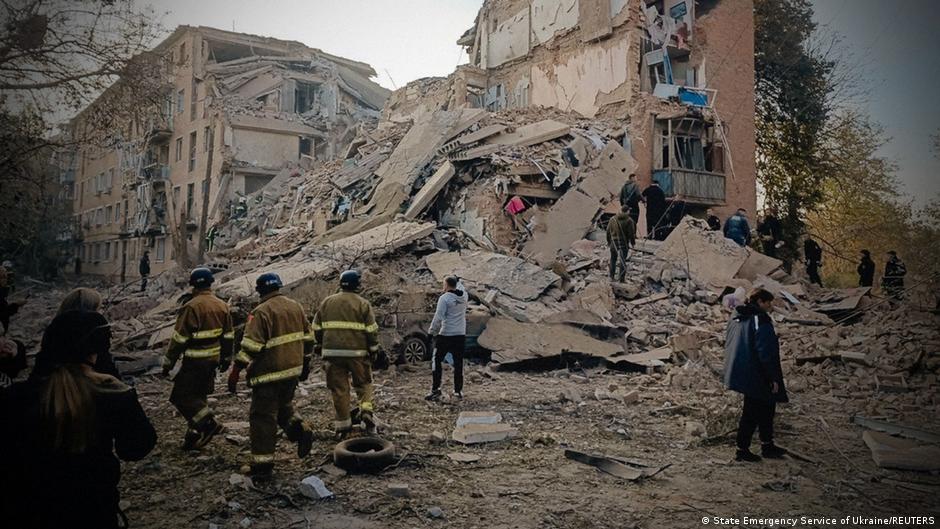
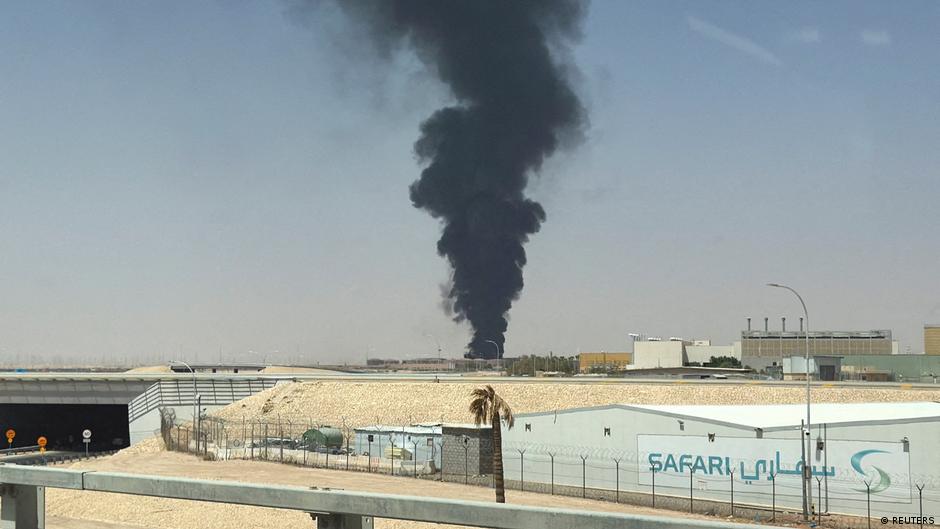
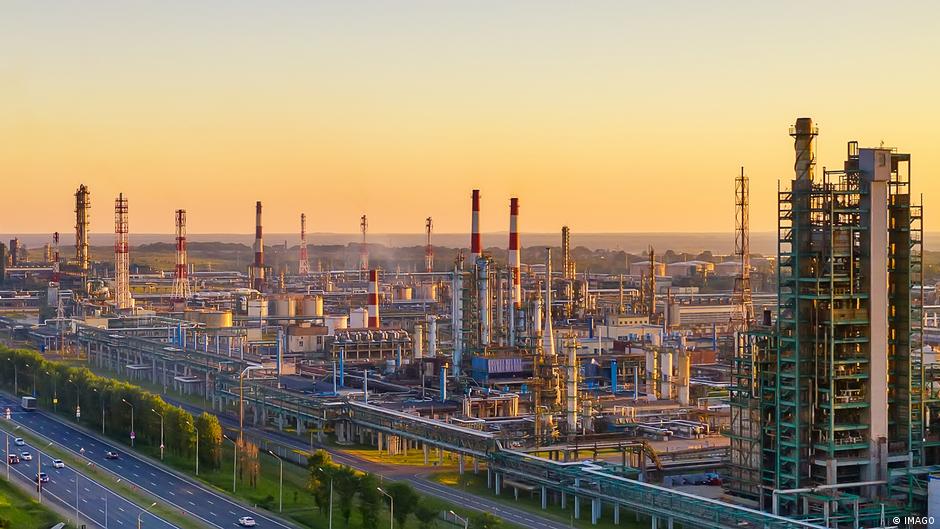
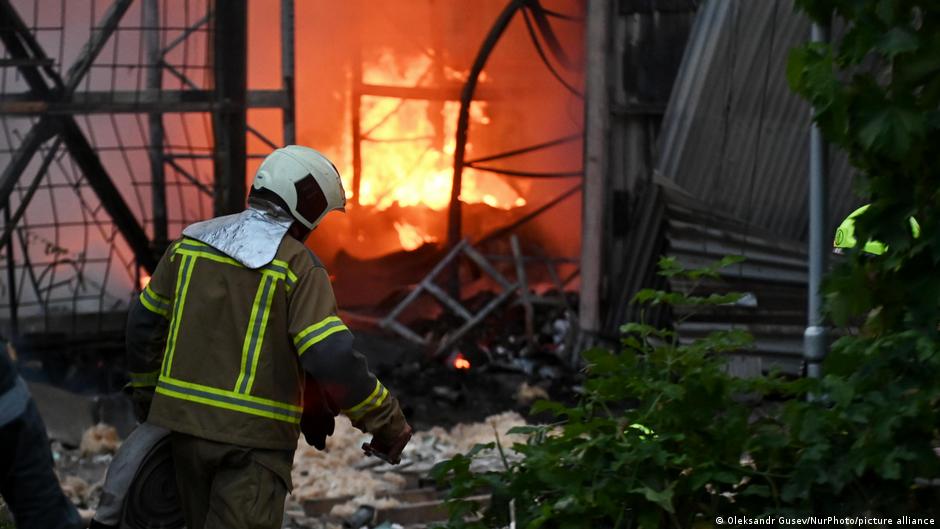
A drone attack on Novorossiysk reportedly caused fires at a fuel oil terminal and residential building, renewing concerns over Russia’s key export hub.

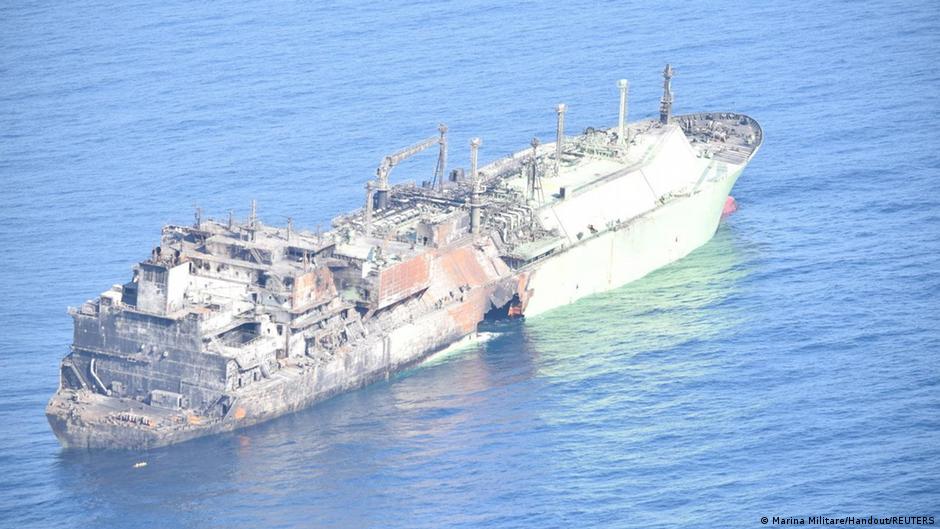
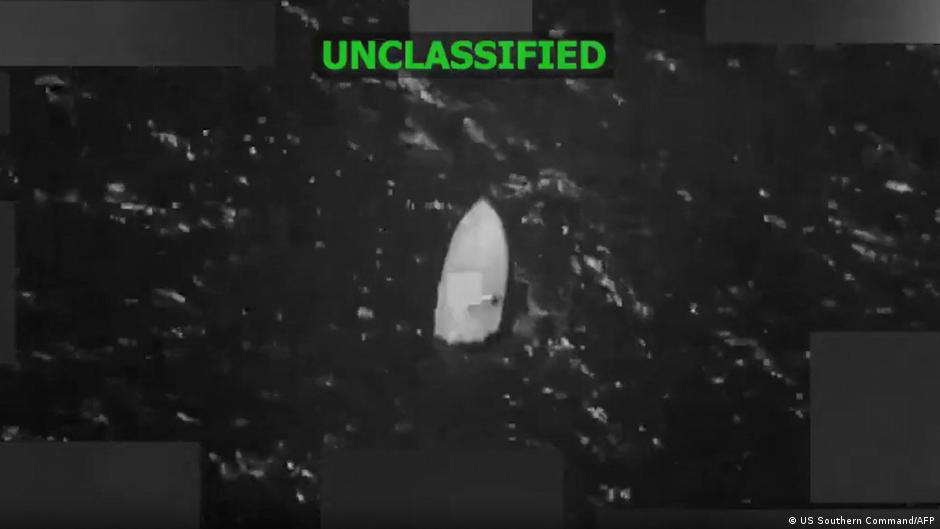
CENTCOM said U.S. forces destroyed five Iranian oil tankers after ballistic missile attacks on a Navy ship, escalating risks around Hormuz.

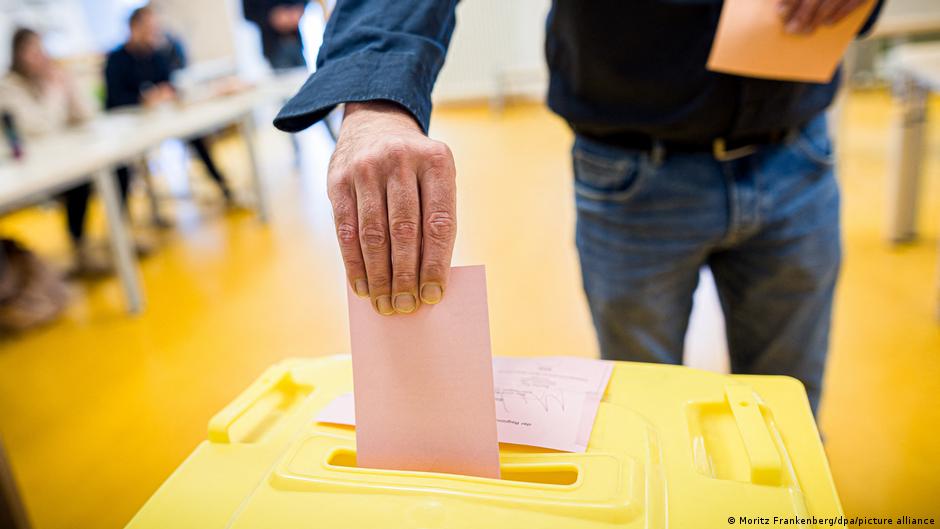
AfD’s projected win in Saxony-Anhalt drew alarm from Poland and France, praise from Czechia, and new political-risk questions for Europe.

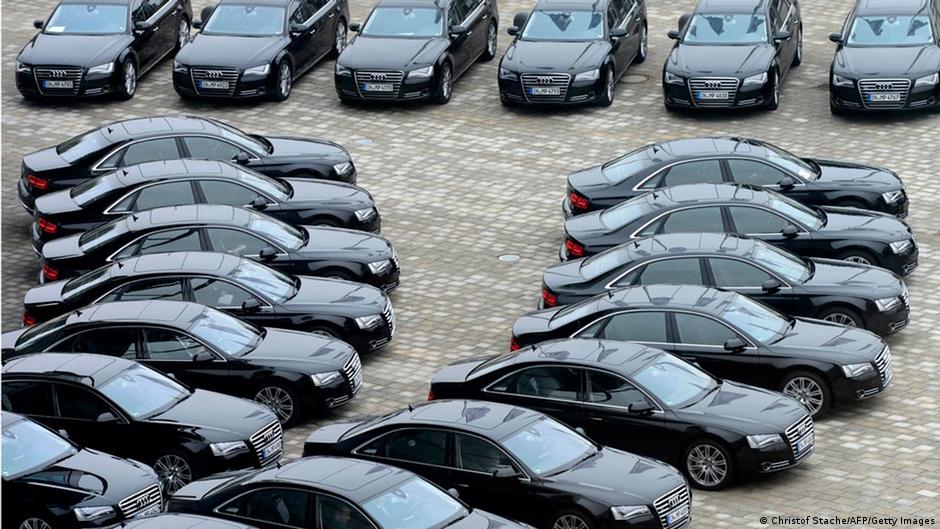
Volkswagen approved a historic restructuring plan with about 50,000 job cuts, factory uncertainty and a major push to simplify models and improve returns.

Putin told Pashinyan that Armenia’s move toward EU membership would effectively mean leaving the EAEU, sharpening the country’s strategic economic choice.

Scott Bessent reportedly told Anton Siluanov that the U.S. will not ease pressure on Russia before the war in Ukraine ends, reinforcing a hard line for business.

A viral post about a father struggling to pay for his daughter's first ID card has intensified scrutiny of Uzbekistan's fee model and an imminent price rise.

Uzbekistan auctions 100% stake in state-owned jewelry producer Gold Moon Tashkent, including substantial debt and assets, with a starting price of 316.7 billion soms.

Latvia publicly lists 170 companies still trading with Russia and Belarus, spotlighting corporate strategies amid war and sanctions.

NATO has reaffirmed its readiness to defend member states after reports of Iranian plans to target military bases in Bulgaria and Cyprus amid escalating regional tensions.

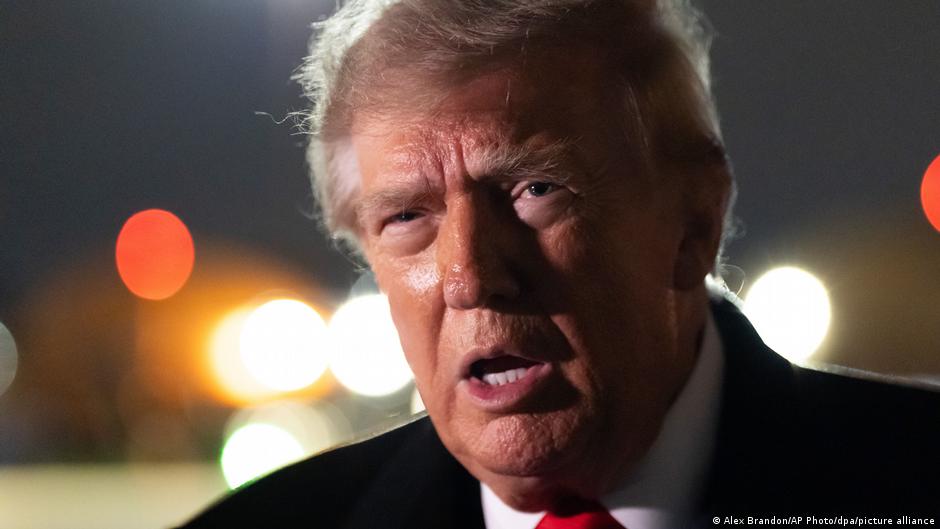
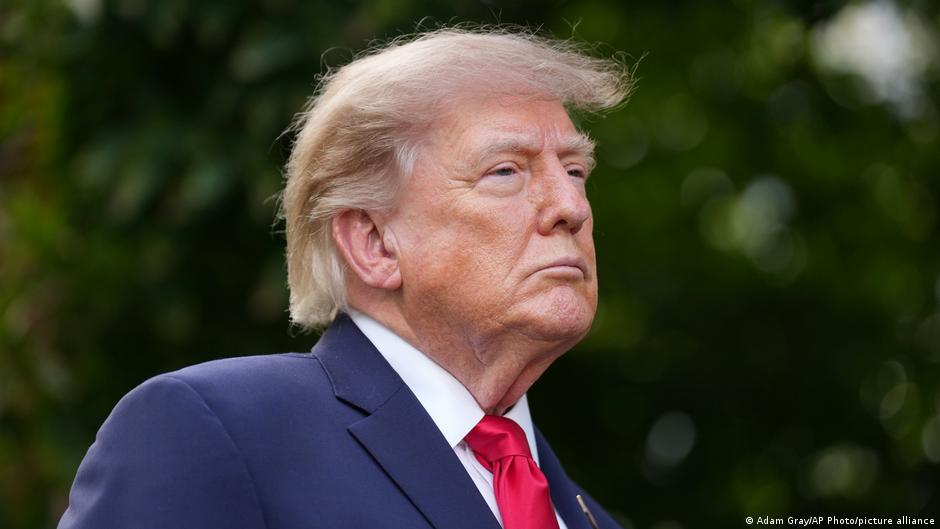
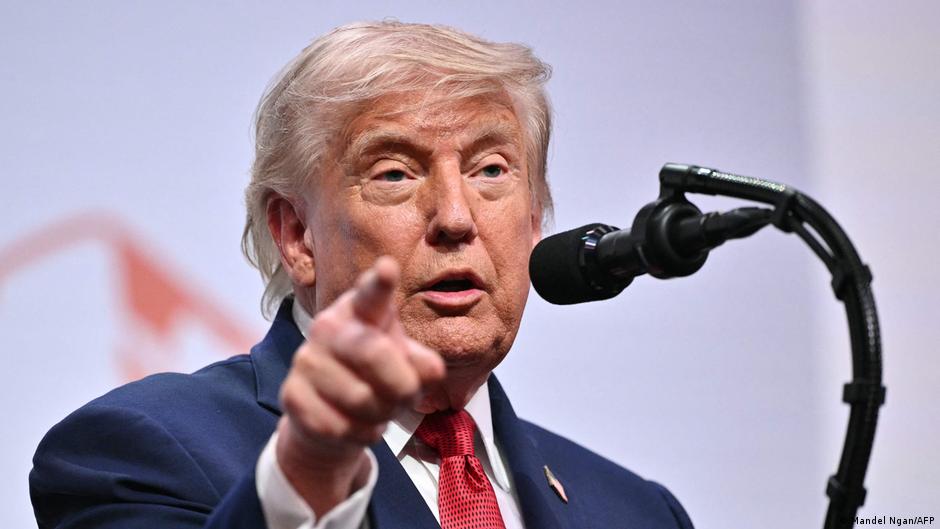
President Trump announces an unprecedented economic sanctions campaign against Iran, threatening massive penalties for any nation supporting Tehran amid heightened geopolitical tensions.

President Trump seeks a November summit with North Korea’s Kim Jong Un at APEC to restart nuclear talks amid escalating nuclear capabilities.

Ukraine imposes sanctions on 13 ships and 28 companies for illegal grain exports from Russian-occupied territories, aiming to prevent unauthorized international sales.

The Trump administration has imposed tariffs up to 100% on imported drones and components to reduce reliance on foreign technology critical to national security.

US forces disabled the steering of a Panamanian-flagged container ship attempting to breach Iran's blockade, reinforcing US control over the Strait of Hormuz amid rising tensions.

Turkey has resumed allowing commercial vessels through the Dardanelles Strait after a temporary halt due to increased security threats in the Black Sea region.

The US Senate approves a broad sanctions package targeting Russian officials, energy exports, and financial networks, reinforcing transatlantic efforts amid the Ukraine crisis.

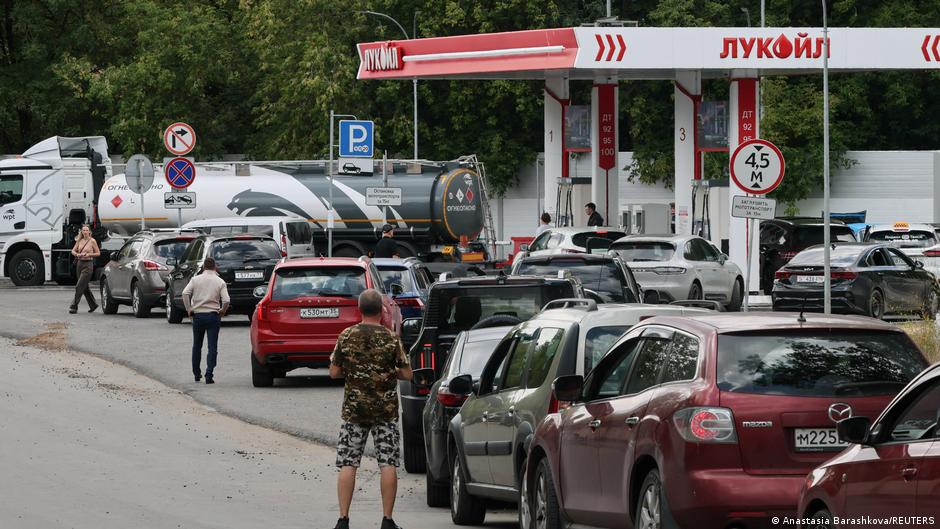
Russia permits sale of lower-grade Euro-2 to Euro-4 fuels until 2027 amid refinery disruptions, balancing fuel availability with environmental concerns.

Russian banks' websites are flagged as insecure by major international browsers due to revoked TLS/SSL certificates amidst Western sanctions, complicating global access and cybersecurity strategy.

Spain labels mass migrant entry into Ceuta an attack, deploying military forces and facing social unrest while Europe reassesses border security policies.

Belarus orders underperforming agricultural workers into military service amid harvest season, linking labor discipline to national security and raising corporate strategy concerns.

The U.S. Senate advances a bipartisan sanctions bill empowering the President to impose steep tariffs on Russia, impacting energy trade and corporate risk strategies.

Ukraine urges a UN Security Council meeting as Russian attacks on Black Sea civilian shipping threaten global food security and trade routes.

The US military has conducted its 11th consecutive night of strikes on Iranian military targets to curb threats to commercial shipping in the Strait of Hormuz amid escalating hostilities.

The US military has conducted ten consecutive days of strikes against Iranian targets, escalating tensions in the Persian Gulf as Tehran retaliates with drone and missile attacks.

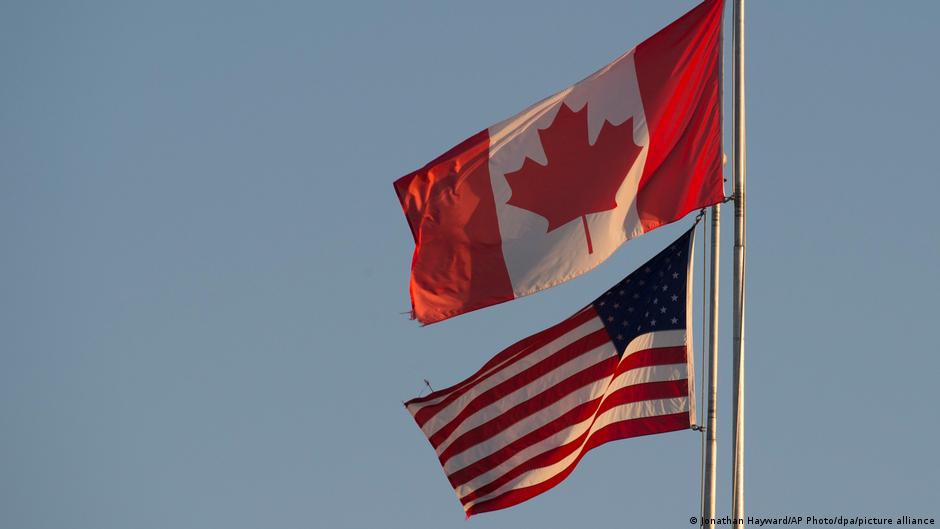
The US government imposes 50% tariffs on Canadian imports including wine and cement, escalating trade tensions and challenging the USMCA trade framework.

Hungary blocks key EU negotiation clusters for Ukraine’s accession talks, complicating the EU enlargement process and raising strategic concerns for businesses.

US military strikes on Iranian infrastructure escalate tensions, prompting Iranian retaliation and regional security alerts, with significant implications for global energy markets.

The US is negotiating to restore an Iraq-Syria oil pipeline to bypass the Strait of Hormuz, aiming to reduce Iran's influence and secure alternative energy export routes.

The US has launched strikes against Iran to prevent attacks on civilian shipping in the Strait of Hormuz, escalating tensions with significant business and geopolitical implications.

The US launched a third wave of strikes on Iran after the IRGC attacked a civilian container ship in the Strait of Hormuz, leading to the strategic waterway's closure and escalating regional tensions.

Russia has closed the Azov-Don canal indefinitely following Ukrainian drone attacks on vessels, disrupting vital grain export routes and raising strategic concerns for corporate logistics.

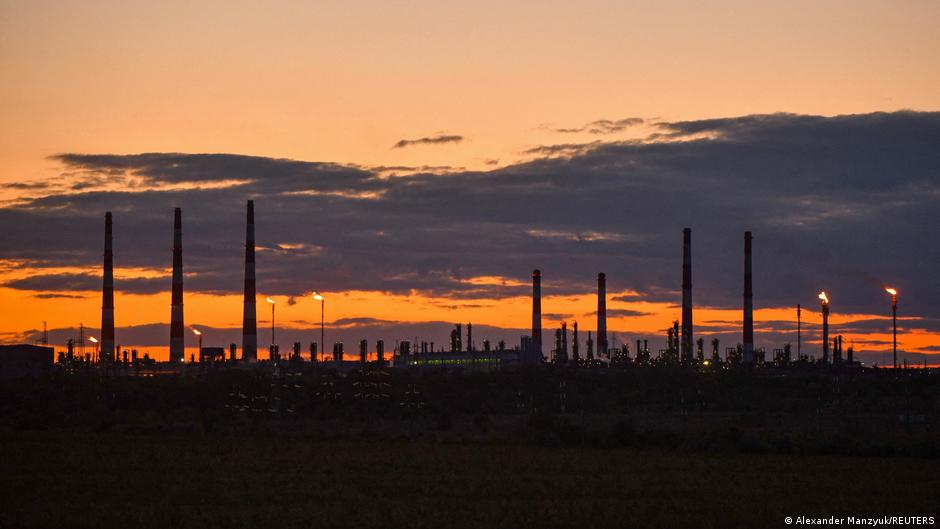
The Saratov refinery has halted operations after Ukrainian drone strikes damaged its primary processing unit, worsening fuel shortages in Russia amid ongoing refinery attacks.

The US has launched new military strikes against Iranian targets to limit Tehran's interference with shipping in the Strait of Hormuz, escalating tensions after tanker attacks.

Germany's 2027 budget plans a 6% spending increase with record defense funding and higher borrowing, sparking industry concerns over economic growth and fiscal discipline.

A DGB study finds 40% of German workers doubt they can work until retirement due to high physical and psychological job demands, urging policy and workplace reforms.

Russia permits sale of Euro-3 standard fuels domestically through 2026 to mitigate supply shortages caused by refinery disruptions and attacks.

Two brothers in Germany admitted to illegally exporting industrial machinery parts to Russia via shell companies, violating EU sanctions and facing prison sentences.

The EU has cut its duty-free steel import quota by 47%, imposing a 50% tariff on excess imports to protect domestic producers amid global overcapacity concerns.

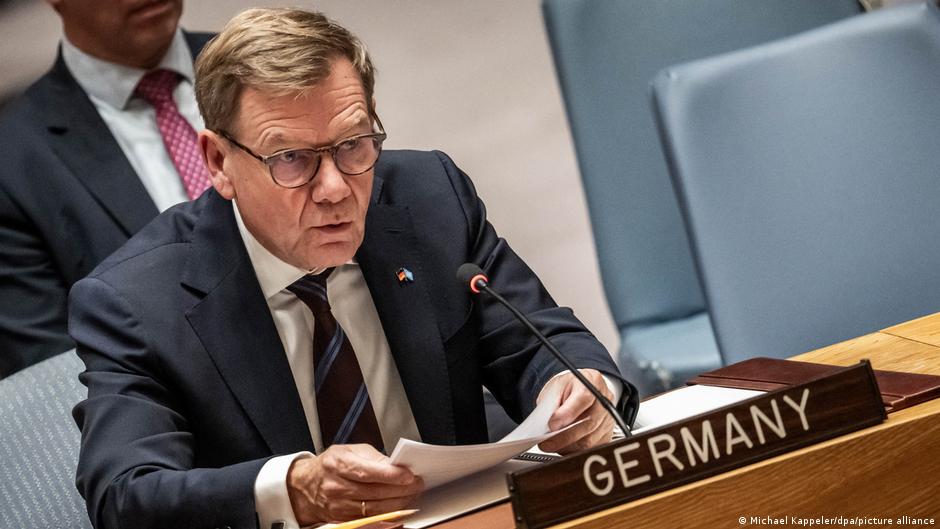
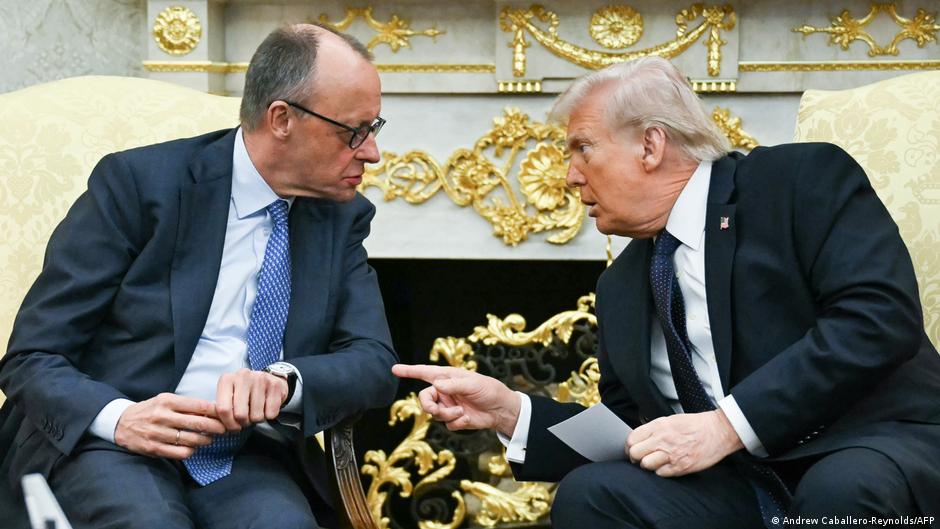
German and US foreign ministers met in Washington to reinforce their partnership, discuss NATO contributions, support for Ukraine, and regional cooperation ahead of key international summits.

The U.S. and Iran agreed to halt attacks until June 30 ahead of talks on restoring navigation through the Strait of Hormuz, a vital energy corridor facing ongoing security challenges.

US forces conducted air strikes on Iranian military infrastructure in response to drone attacks on commercial oil tankers near the Strait of Hormuz, escalating regional tensions.

The US conducted airstrikes on Iranian military sites after Iran attacked a Singapore-flagged cargo ship in the Strait of Hormuz, escalating tensions and impacting global trade routes.

Russia closes Romanian Consulate in St. Petersburg, responding to Romania's closure of the Russian Consulate in Constanța following a drone incident in Galați, Romania.

France and Italy express concerns over the EU's proposed ban on entry for Russian combatants, fearing broad application that could affect all Russian nationals amid intensified sanctions.

The U.S. Senate passed a resolution urging withdrawal of troops from conflict zones involving Iran, signaling bipartisan concern over ongoing hostilities and highlighting congressional oversight in foreign policy.

The US has imposed sanctions on five Cuban state-owned firms controlling 40% of GDP, targeting GAESA-linked entities and escalating tensions amid legal claims by American companies.

The US and Iran agreed to create a communication channel to prevent incidents in the Strait of Hormuz, with a 60-day roadmap to finalize agreements.