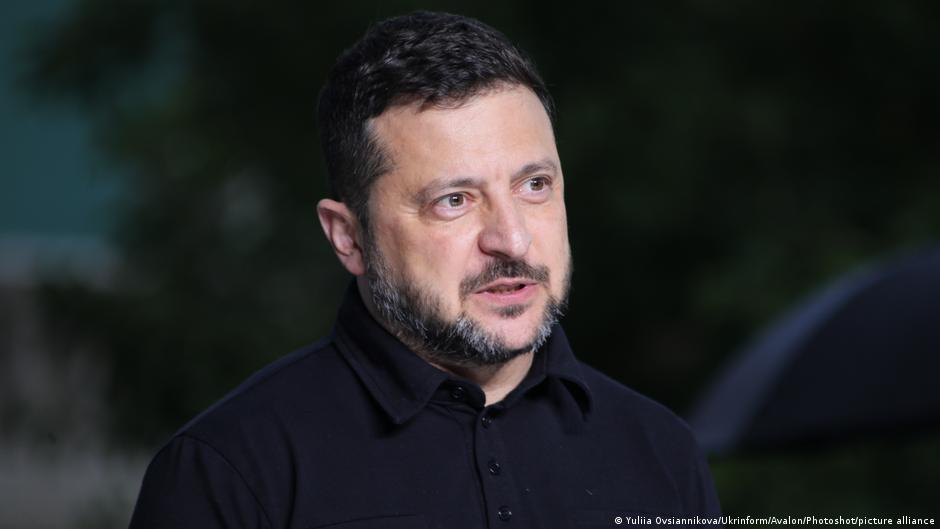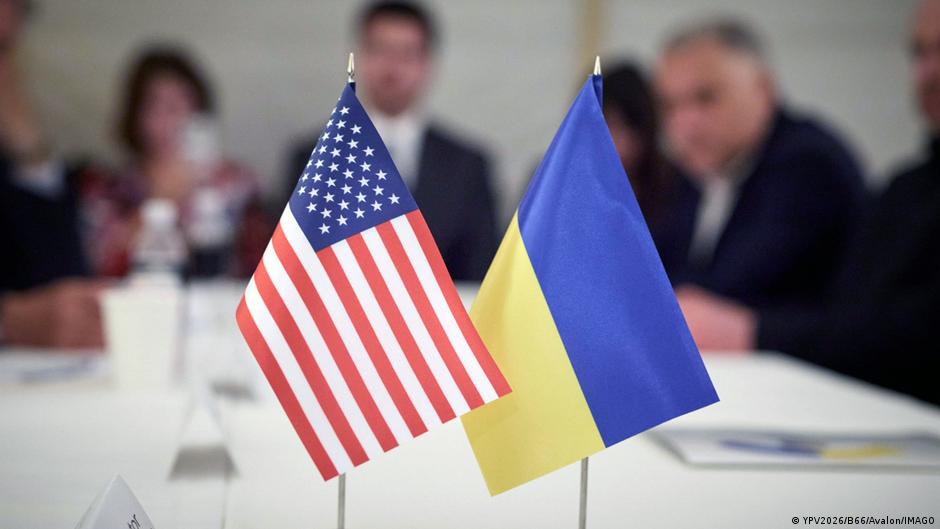
Ukrainian President Zelensky Meets U.S. Senate Amid Sanctions Vote on Russia
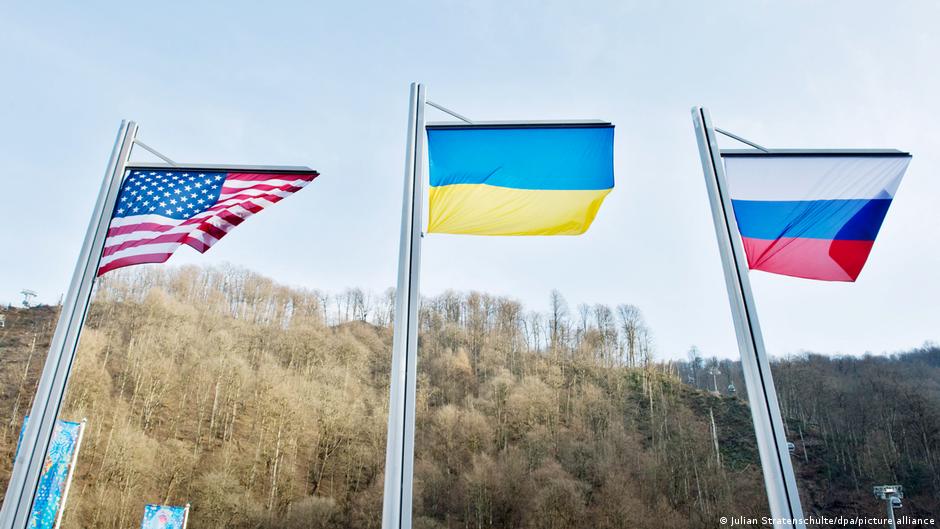
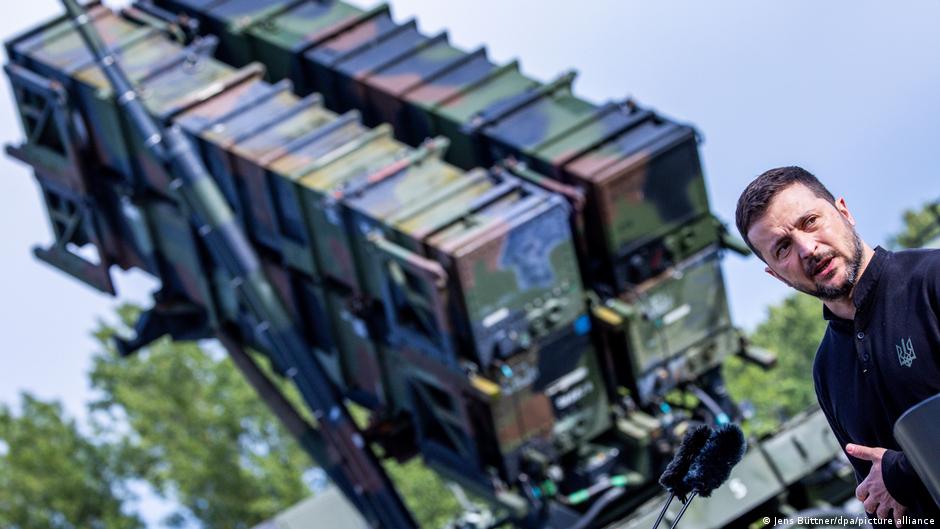
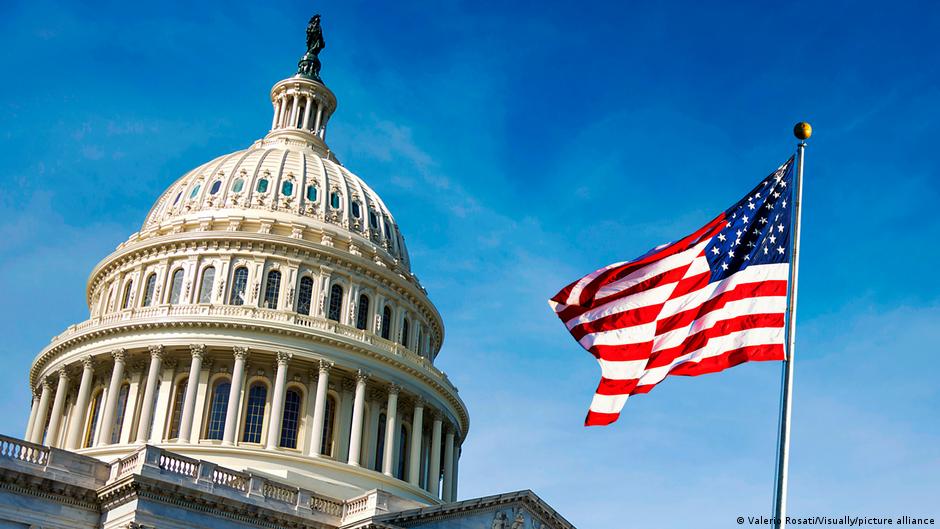
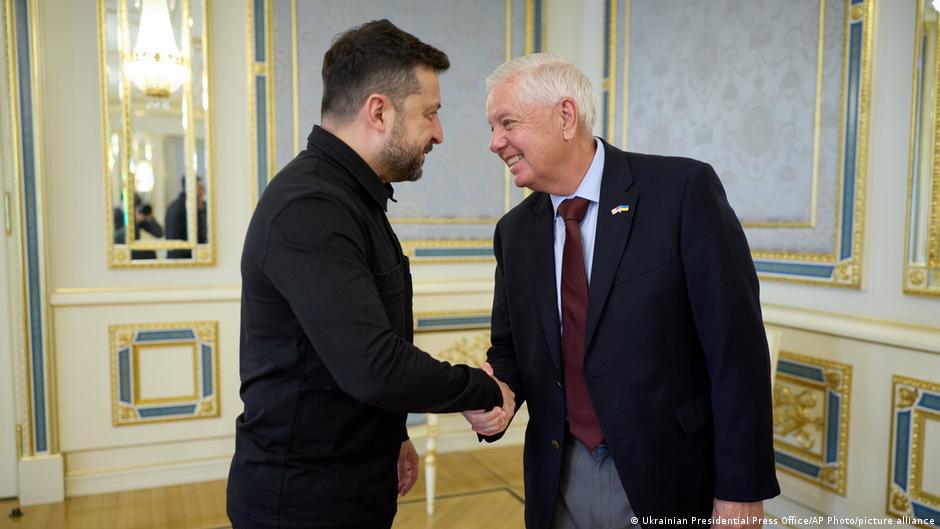
President Zelensky meets all 100 U.S. senators as the Senate prepares to vote on new Russia sanctions during his Washington visit tied to Senator Graham's funeral.

President Zelensky meets all 100 U.S. senators as the Senate prepares to vote on new Russia sanctions during his Washington visit tied to Senator Graham's funeral.

The EU has summoned Russia's envoy over missile strikes in Ukraine, including attacks on a weapons site and Latvian consulate, promising expanded sanctions on Russia's military-industrial complex.
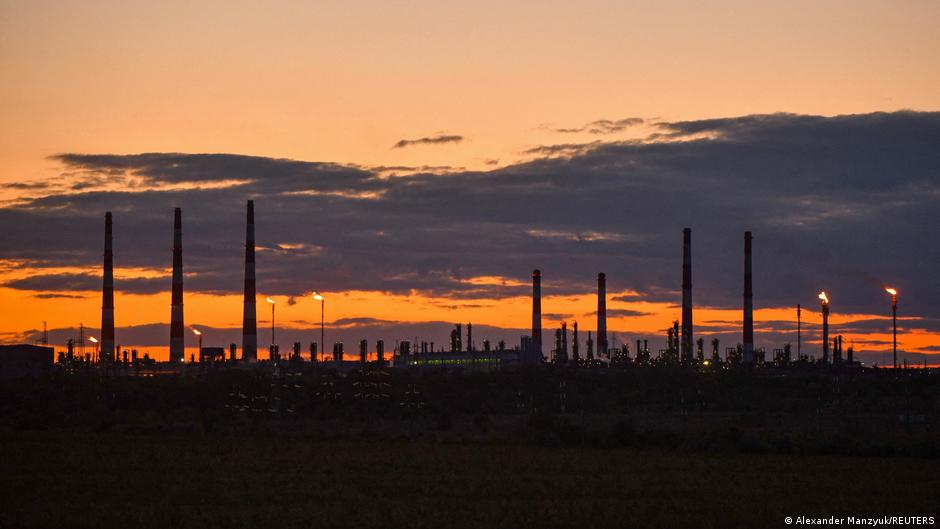
Russia's oil and gas revenues in July may rise 60% year-on-year due to higher global prices, despite ongoing sanctions and a year-to-date revenue decline.

The US has lifted sanctions on Miami-based Bel-Kap-Steel, linked to Belarus’s metallurgical sector, amid political prisoner releases and evolving Minsk-Washington negotiations.

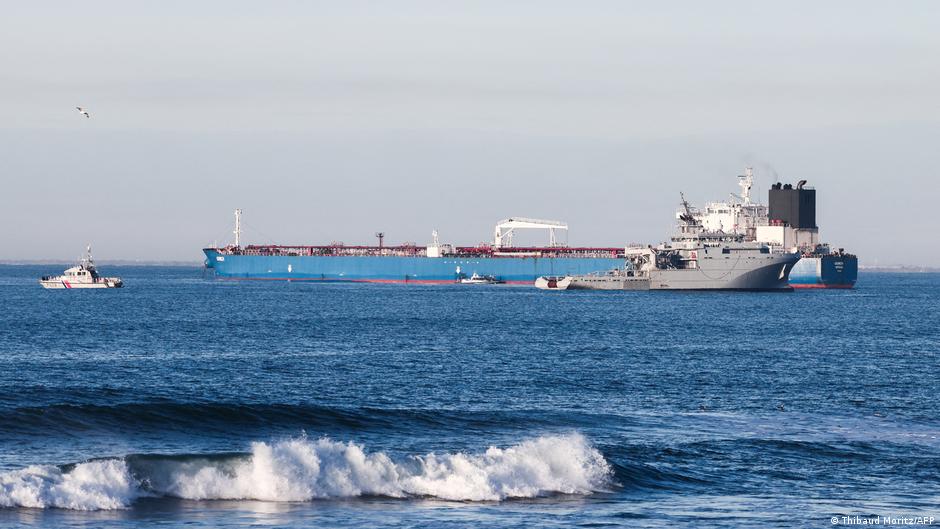
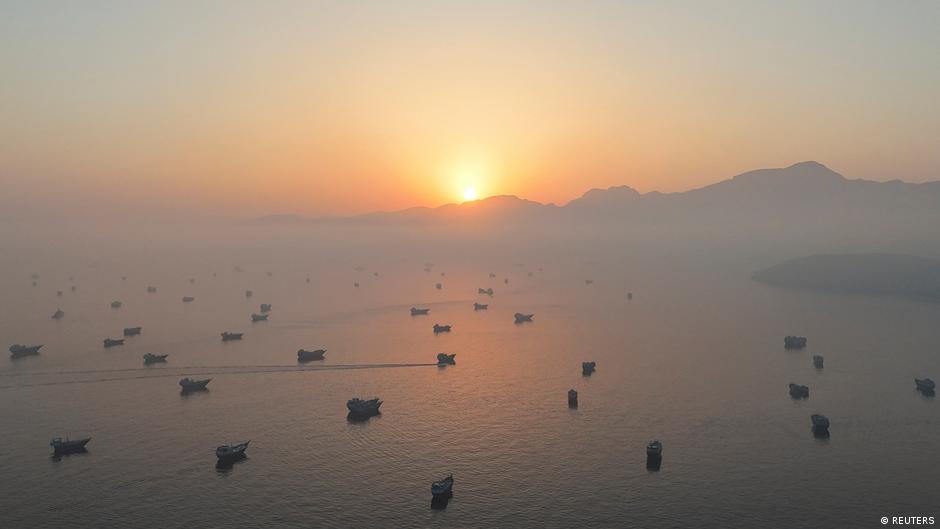
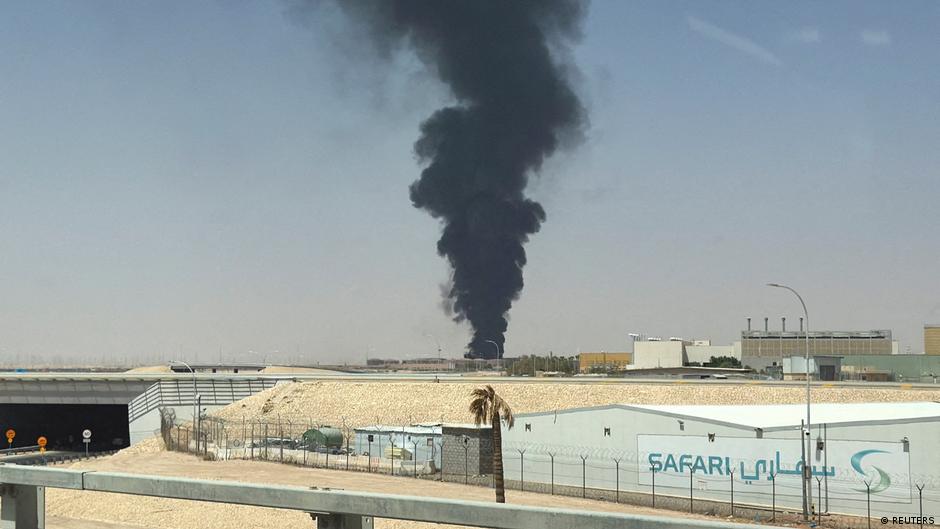
Iran’s Revolutionary Guards attack a Greek-owned oil tanker in the Strait of Hormuz, signaling increased maritime risks and strategic shifts affecting global oil transport.

The US military has conducted its 11th consecutive night of strikes on Iranian military targets to curb threats to commercial shipping in the Strait of Hormuz amid escalating hostilities.

The US initiates a $100 million humanitarian aid program to Cuba while maintaining sanctions and exploring military options against Havana's regime.

The US military has conducted ten consecutive days of strikes against Iranian targets, escalating tensions in the Persian Gulf as Tehran retaliates with drone and missile attacks.

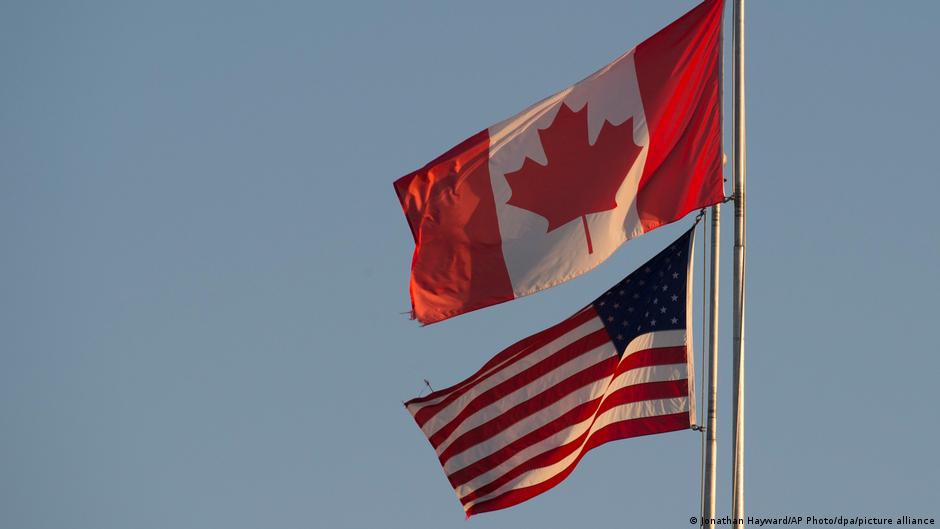
The US government imposes 50% tariffs on Canadian imports including wine and cement, escalating trade tensions and challenging the USMCA trade framework.

US military casualties in the Iran conflict have risen to 17, with recent fatalities occurring during explosive ordnance disposal in Iraq amid escalating retaliatory strikes.

US forces continue nightly strikes against Iran, with Iranian counterattacks targeting US bases and disrupting critical energy shipping routes in the Strait of Hormuz.

Donald Trump proposes the US host the next FIFA World Cup alone, potentially with China, signaling a strategic shift from the 2026 tournament’s shared North American hosting.

The Trump administration is poised to permit Saudi Arabia uranium enrichment without strict IAEA safeguards, potentially enabling Riyadh's pathway to nuclear weapons amid geopolitical tensions.

US military strikes on Iranian infrastructure escalate tensions, prompting Iranian retaliation and regional security alerts, with significant implications for global energy markets.

US military launches targeted strikes on Iranian ports and infrastructure, prompting retaliatory attacks on American bases and signaling a complex strategic standoff in the Persian Gulf.

The US is negotiating to restore an Iraq-Syria oil pipeline to bypass the Strait of Hormuz, aiming to reduce Iran's influence and secure alternative energy export routes.

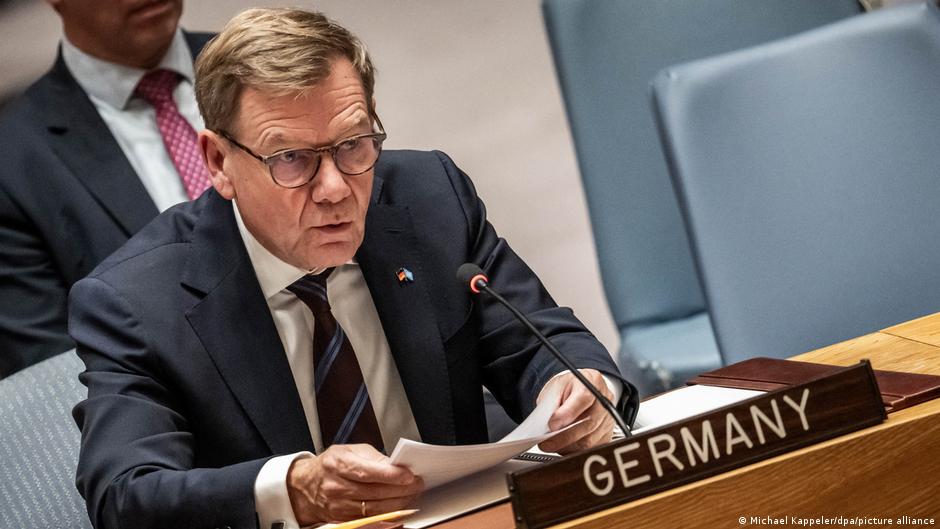
German Foreign Minister Johann Wadephul defends the International Criminal Court against U.S. claims of sovereignty threats amid a U.S. campaign targeting the tribunal’s authority.

German President Steinmeier urges Europe to respond to the 'ruthless' policies of Russia and the US, emphasizing international law, pragmatic US relations, and social reforms amid rising far-right influence.

The US has launched strikes against Iran to prevent attacks on civilian shipping in the Strait of Hormuz, escalating tensions with significant business and geopolitical implications.

The US launched a third wave of strikes on Iran after the IRGC attacked a civilian container ship in the Strait of Hormuz, leading to the strategic waterway's closure and escalating regional tensions.

The US has launched new military strikes against Iranian targets to limit Tehran's interference with shipping in the Strait of Hormuz, escalating tensions after tanker attacks.

Germany will boost its defense budget to a record €124.7 billion in 2026, increasing its NATO commitments amid broader European military spending shifts.

The US military launched strikes on Iranian targets following attacks on tankers in the Strait of Hormuz, alongside renewed sanctions on Iranian oil, escalating tensions and complicating Gulf security.

Cuba experiences a full nationwide blackout amid worsening energy shortages and U.S. sanctions, with stalled diplomatic talks limiting prospects for resolution.

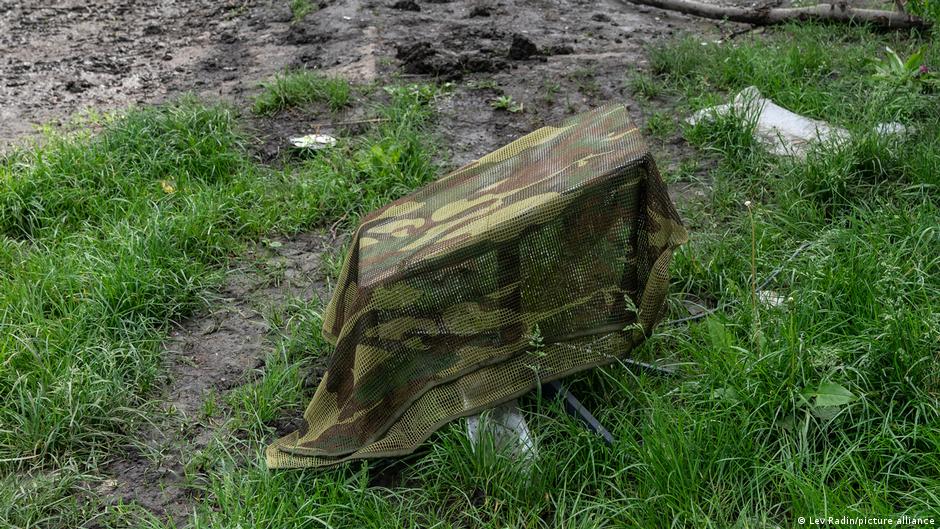
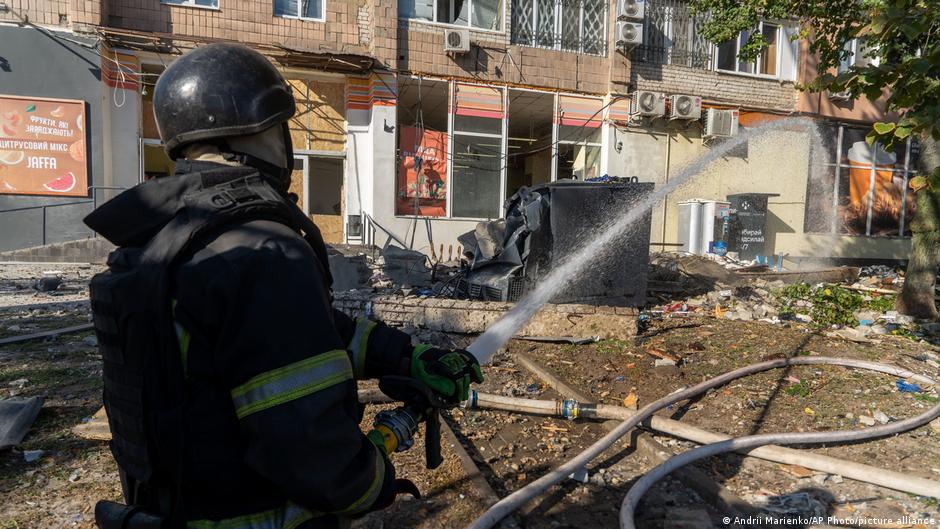
Russian forces launched missile and drone strikes on Kyiv and nearby regions, causing civilian casualties and infrastructure damage amid rising geopolitical tensions.

Latvian President Edgars Rinkēvičs calls on NATO to prepare for potential escalation with Russia, highlighting the need for enhanced military capabilities and stronger transatlantic defense cooperation.

In June 2024, Russian drone and missile strikes on Ukraine dropped significantly, raising questions about Russia’s military production and strategic intentions.

The US extends NIS's operational license amid delays in MOL’s acquisition of Gazprom’s 56% stake, allowing Serbia’s key oil refinery to continue functioning under sanctions.

German and US foreign ministers met in Washington to reinforce their partnership, discuss NATO contributions, support for Ukraine, and regional cooperation ahead of key international summits.

The U.S. and Iran agreed to halt attacks until June 30 ahead of talks on restoring navigation through the Strait of Hormuz, a vital energy corridor facing ongoing security challenges.

US forces conducted air strikes on Iranian military infrastructure in response to drone attacks on commercial oil tankers near the Strait of Hormuz, escalating regional tensions.

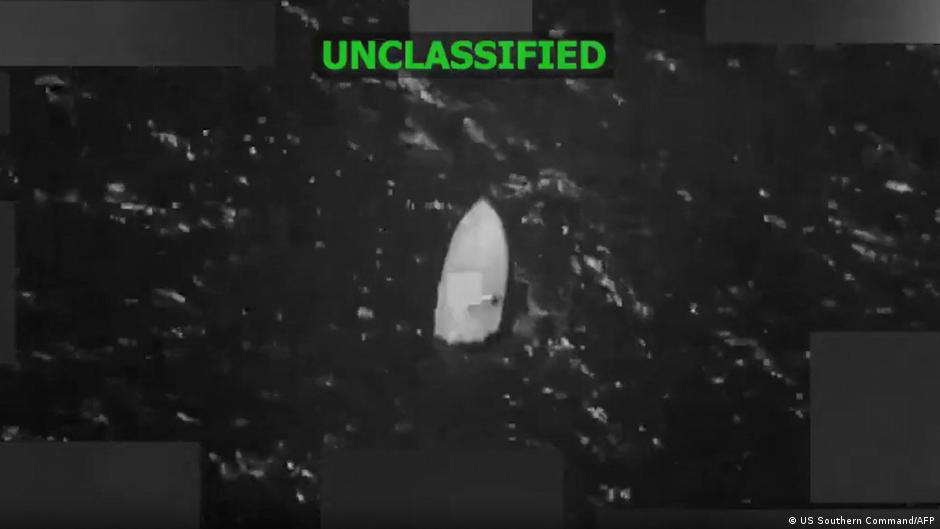
The US conducted airstrikes on Iranian military sites after Iran attacked a Singapore-flagged cargo ship in the Strait of Hormuz, escalating tensions and impacting global trade routes.

The U.S. Senate passed a resolution urging withdrawal of troops from conflict zones involving Iran, signaling bipartisan concern over ongoing hostilities and highlighting congressional oversight in foreign policy.

Far-right businessman Abelardo de la Espriella narrowly wins Colombia's presidency with strong U.S. backing, promising deregulation and militarized drug crime control.

The US and Iran agreed to create a communication channel to prevent incidents in the Strait of Hormuz, with a 60-day roadmap to finalize agreements.

The US may impose transit fees for ships passing through the Strait of Hormuz if Iran negotiations fail, linking military strategy with economic policy in a key global trade route.

Italy’s Foreign Minister Antonio Tajani canceled his US visit following President Trump’s controversial remarks about PM Giorgia Meloni, calling the comments offensive and damaging bilateral relations.

US intelligence warns Israeli PM Netanyahu may seek to disrupt the US-Iran deal due to security concerns over Hezbollah and domestic election considerations.

US envoy Steven Whitkoff travels to Switzerland for delayed nuclear talks with Iran amid regional conflicts and strategic diplomatic efforts.

The US lifts its naval blockade of the Strait of Hormuz, reopening a vital oil passage and setting a 60-day negotiation period aimed at a broader peace deal with Iran.

Pakistan announces the immediate reopening of the Strait of Hormuz after US and Iran sign a memorandum to end hostilities and lift port blockades.

G7 leaders commit to new sanctions on Russian energy and expand military aid to Ukraine, aiming to intensify economic pressure and support Ukraine's defense capabilities.

After 18 years without formal ties, Bolivia and the U.S. sign a drug enforcement agreement, marking a strategic shift in their bilateral cooperation against narcotrafficking.

Brazil’s Supreme Court sentenced Eduardo Bolsonaro to over four years in prison for advocating U.S. sanctions against Brazil, highlighting political risks for businesses.

European leaders back the US-Iran agreement, stressing swift action, nonproliferation, and restoring navigation through the strategic Strait of Hormuz to stabilize markets.

Intelligence reports reveal Iran restored much of its missile arsenal during a ceasefire, potentially with recent Russian missile deliveries, complicating U.S. strategic decisions.

The US plans significant cuts to fighter jets, warships, and troops supplied to NATO in Europe, reflecting a strategic pivot toward the Indo-Pacific region.

The UAE reportedly unblocked billions in Iranian assets to halt missile attacks, though the Foreign Ministry denies it. This move coincides with nearing US-Iran peace talks.

President Trump halted planned airstrikes on Iran amid promising negotiations, signaling a potential multinational nuclear agreement with significant regional and business implications.

The U.S. has sanctioned Cuba’s state oil company CUPET, intensifying pressure on the communist regime amid a severe economic crisis worsened by disrupted Venezuelan oil supplies.