Trump Delays Sweeping Russia Sanctions, Citing Talks and Iran Strategy
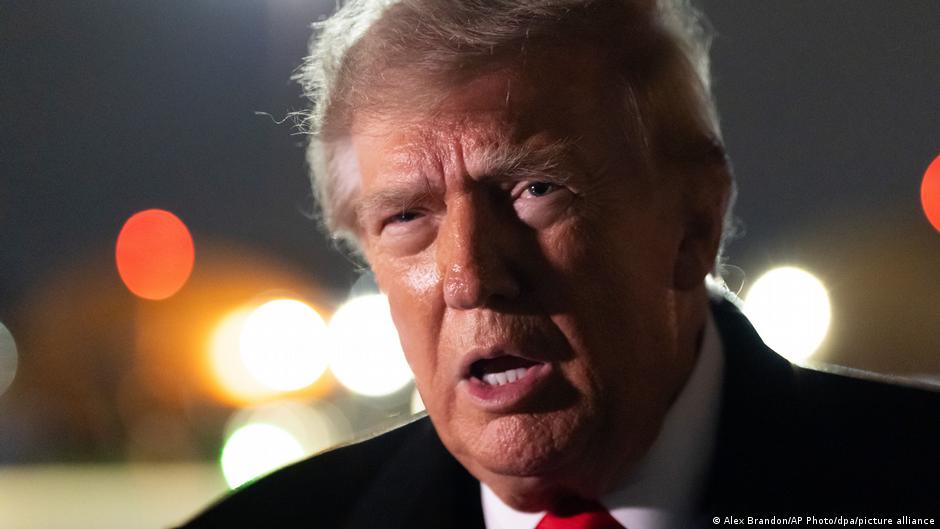
Trump has delayed sweeping Russia sanctions, preserving leverage for Ukraine talks while citing Iran strategy and global diesel-market risks.

Trump has delayed sweeping Russia sanctions, preserving leverage for Ukraine talks while citing Iran strategy and global diesel-market risks.

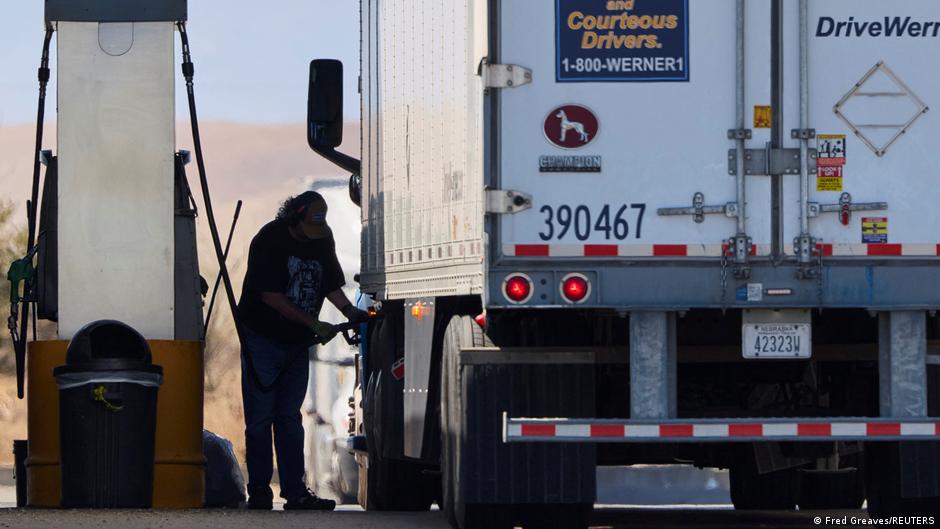
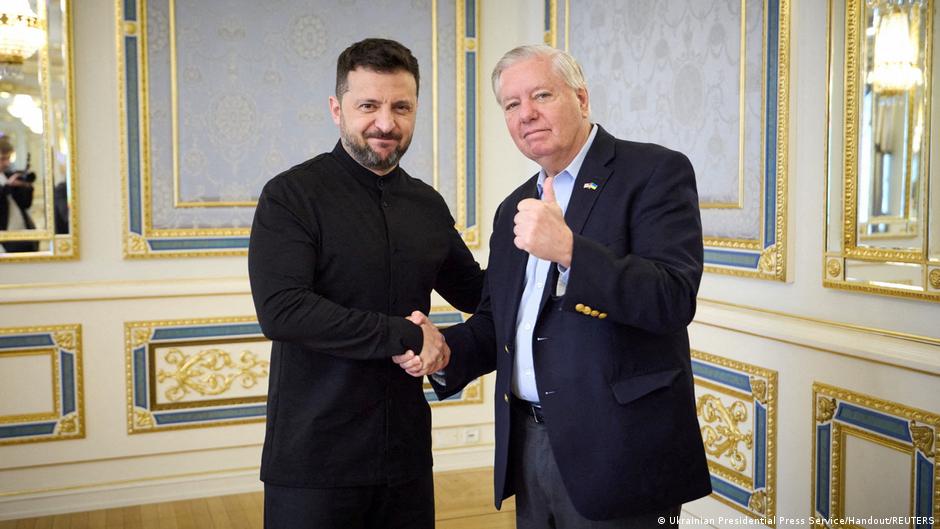
A bipartisan Senate group says Trump’s Russian diesel deal would aid Putin’s war effort while doing little to lower U.S. fuel prices.

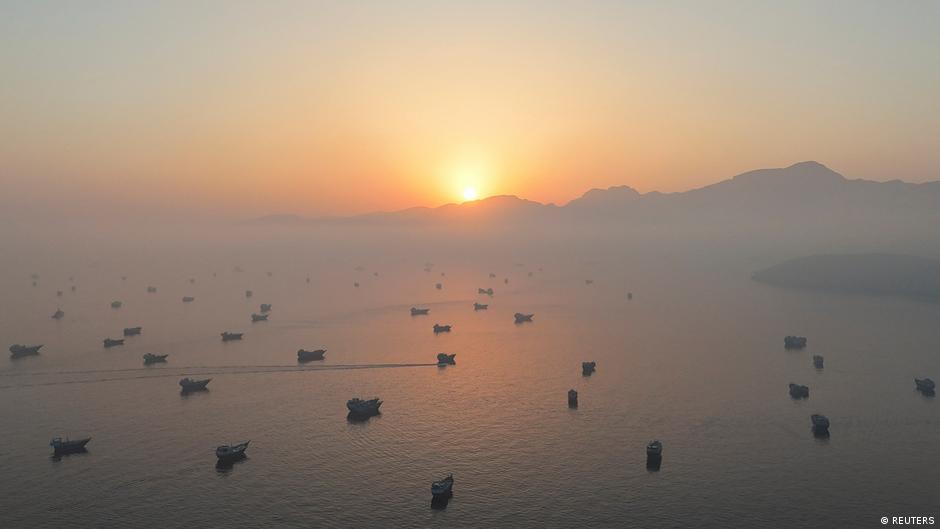
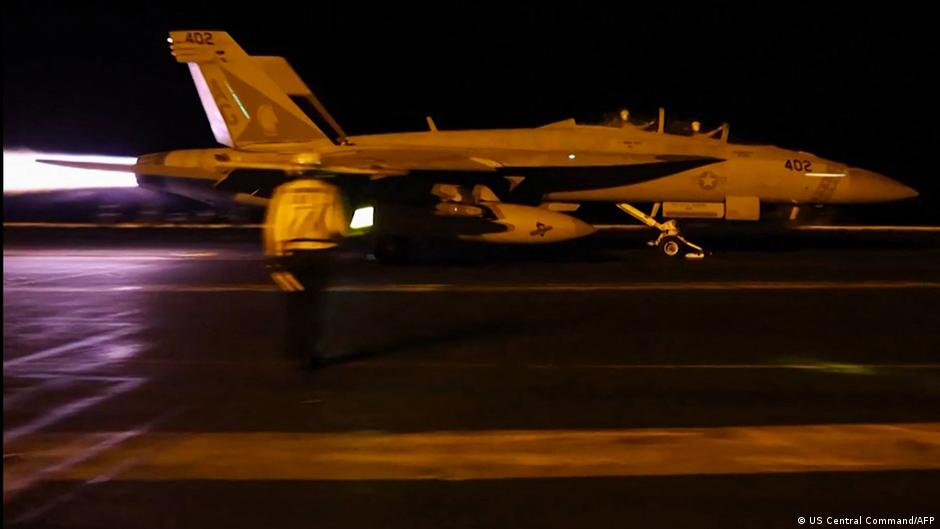
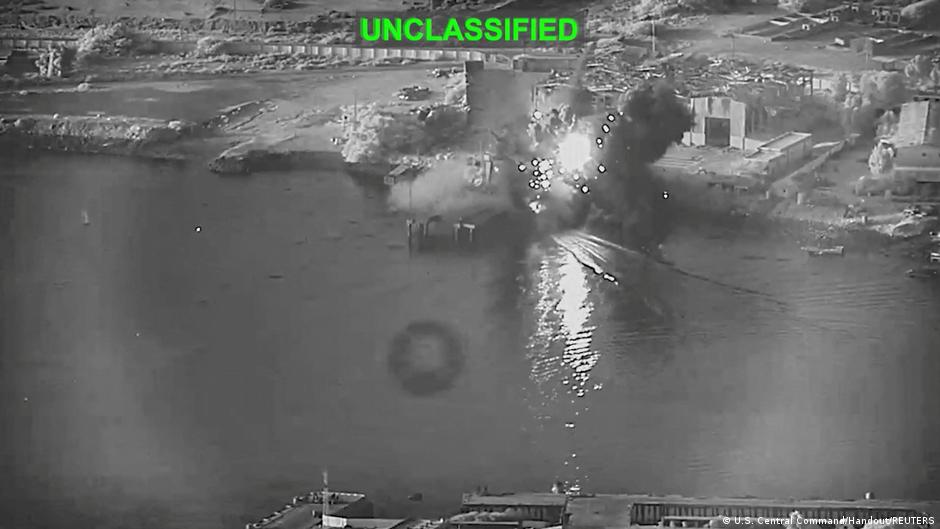
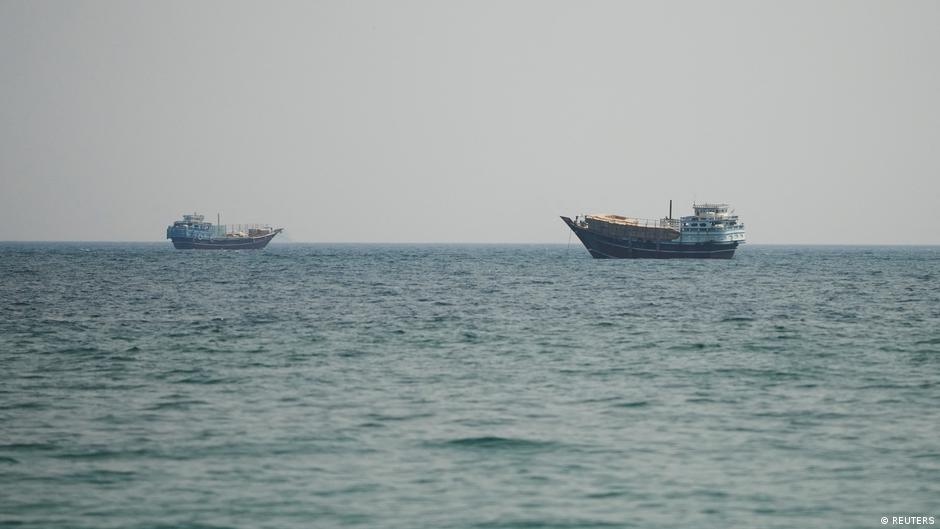
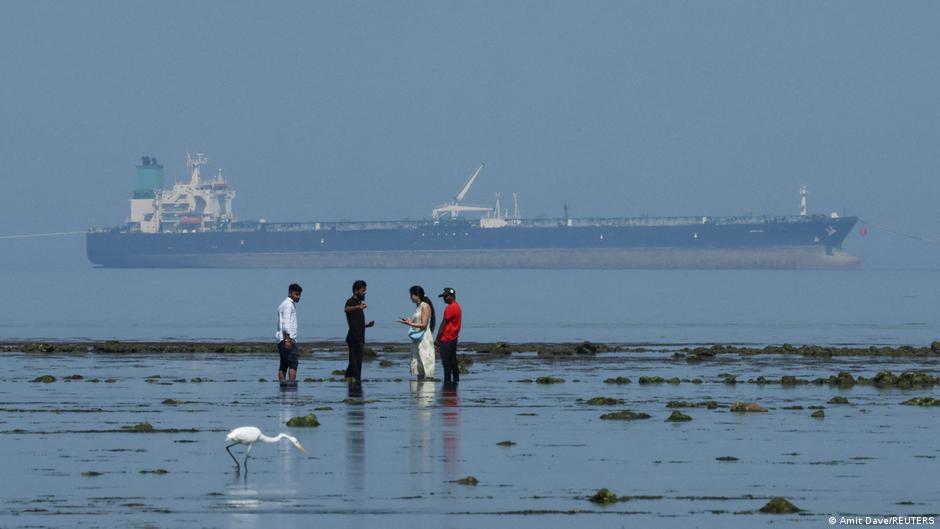
CENTCOM says a U.S. strike disabled a Panama-flagged cargo ship after blockade warnings, as tanker fire adds pressure on energy markets.

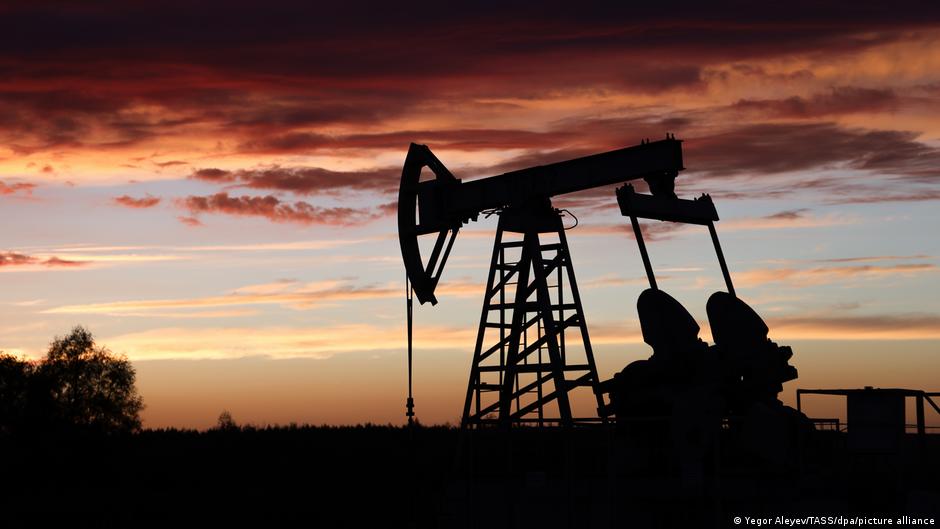
A bipartisan House bill would seek to ban Russian oil purchases after Trump said talks with Putin produced a diesel supply agreement.
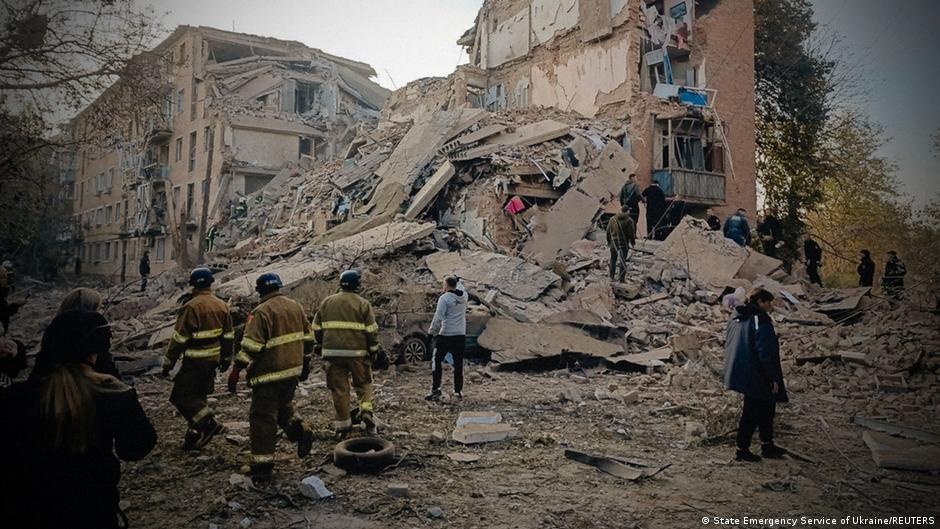
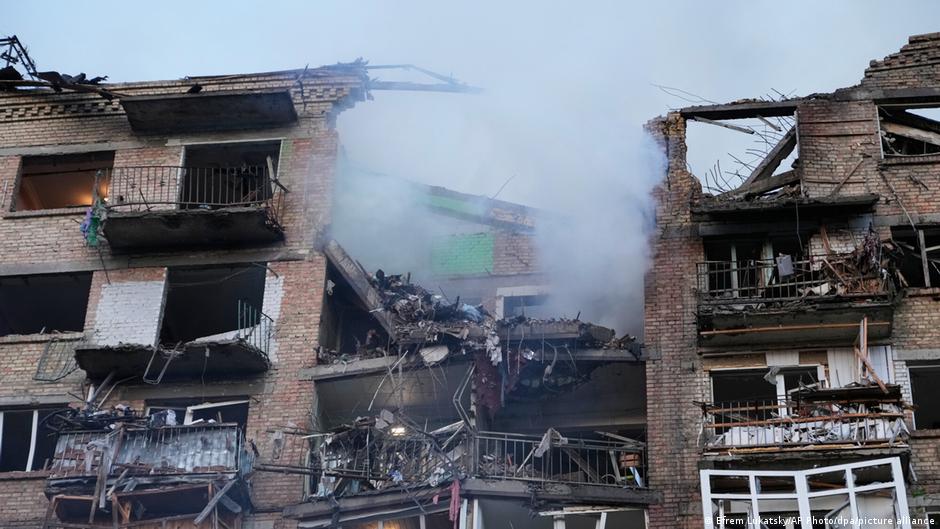
Ukraine says 28 people were killed in a Russian missile and drone barrage, intensifying scrutiny of sanctions, oil revenues and Western policy.
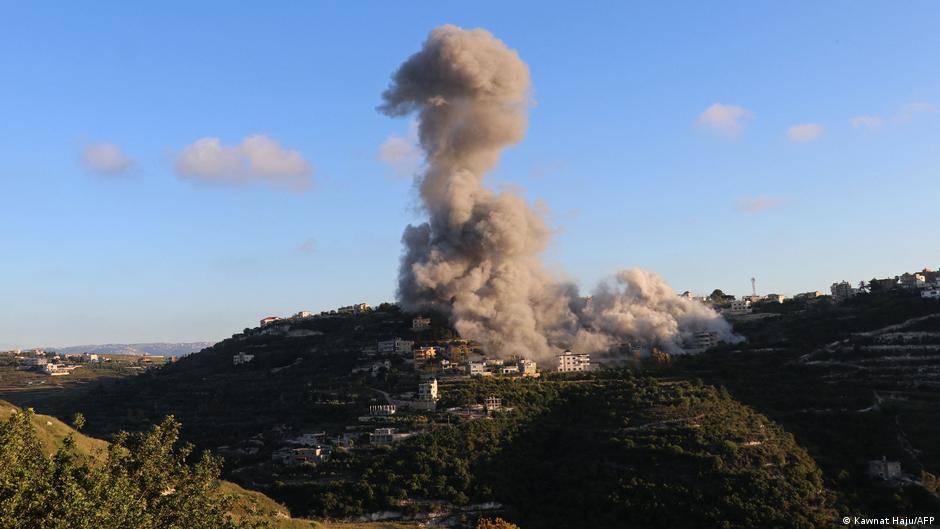
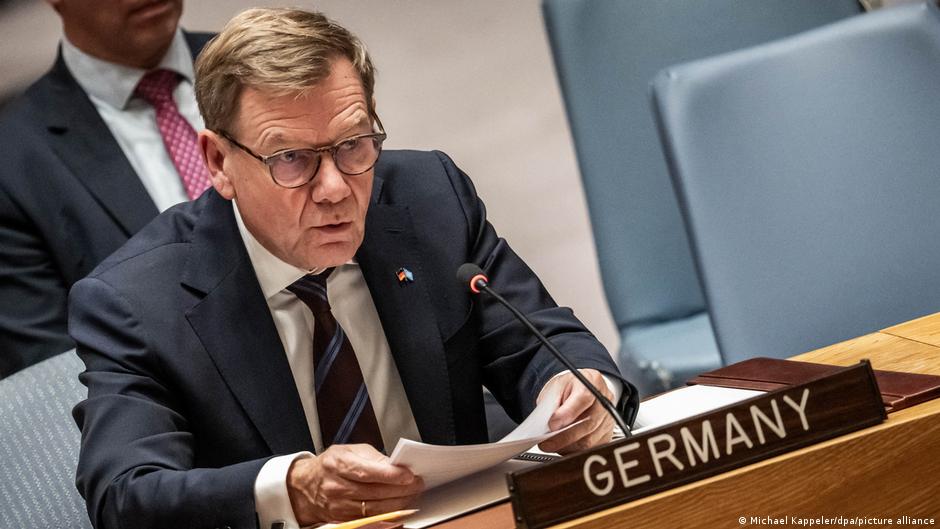
Germany says Putin’s possible G20 attendance would test Moscow’s readiness for Ukraine talks, as U.S. senators urge Trump to withdraw the invitation.

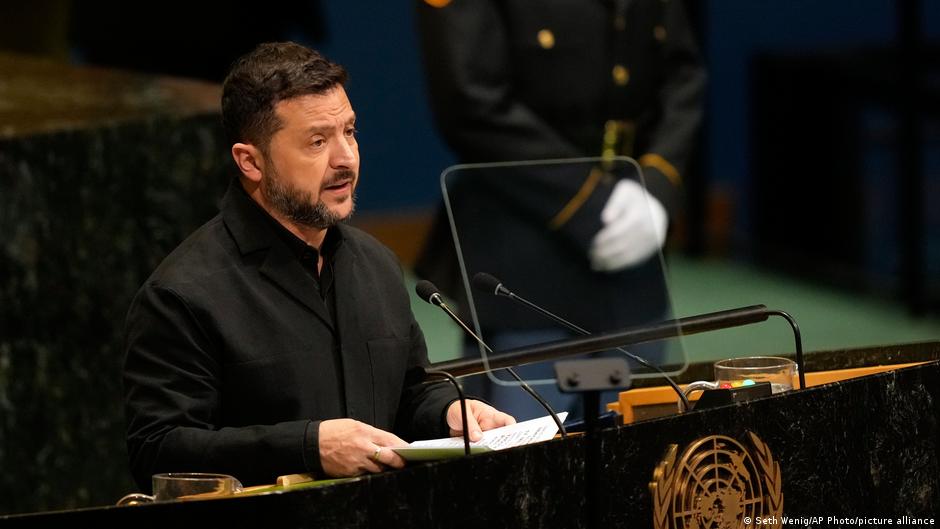
Zelensky told the UN that Putin is spreading the idea of war globally, while arguing Russia’s oil revenues and manpower are under mounting strain.

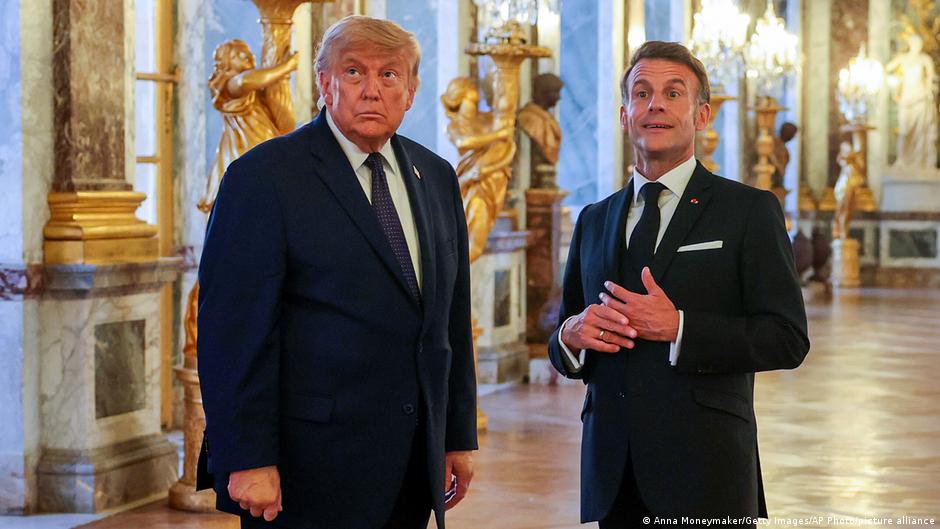
Macron said he and Trump are coordinating on a moratorium for strikes on Ukraine’s infrastructure and on stronger air defenses for Kyiv.

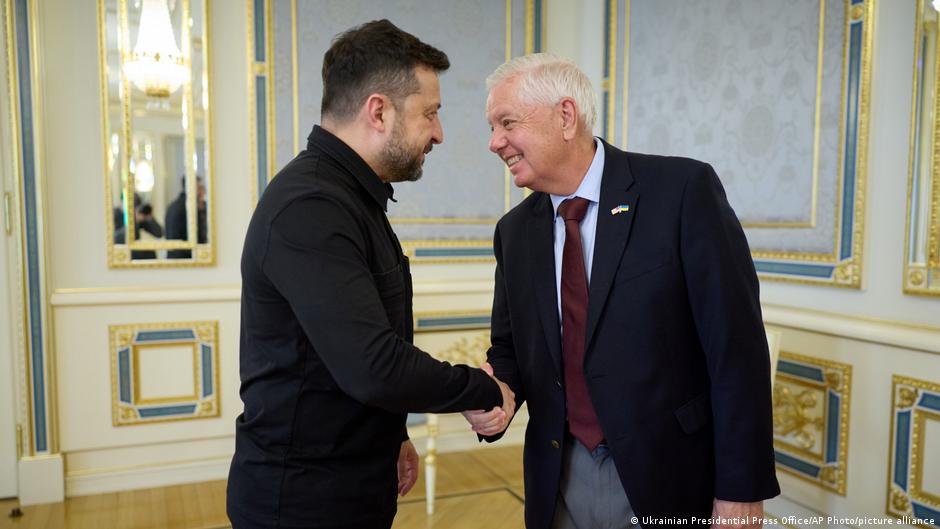
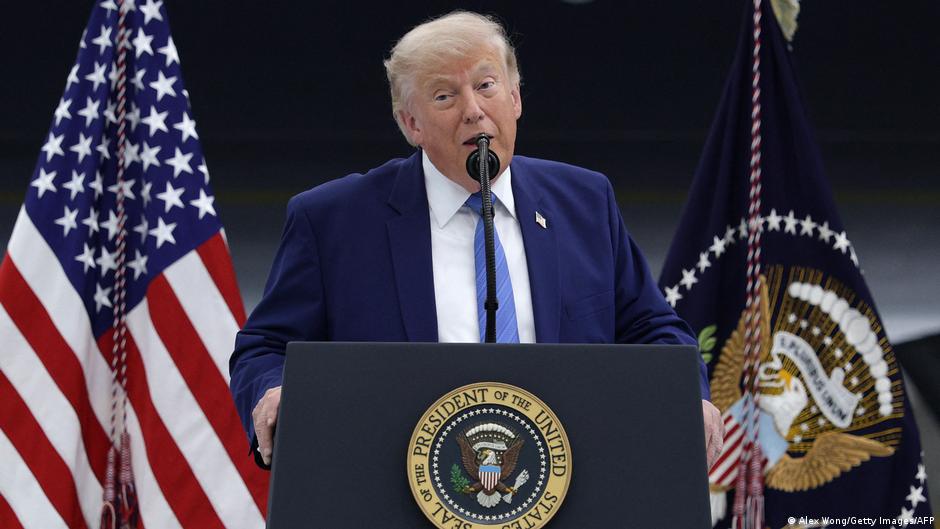
Trump signed the Graham sanctions law, giving the White House broad tariff powers over Russian energy buyers and sanctions evasion networks.

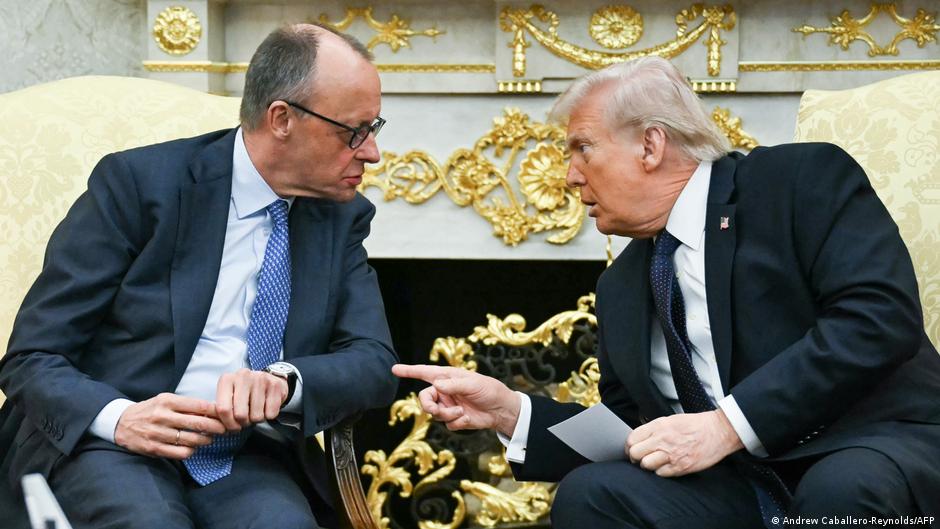
Merz says Germany must adapt as ties with Washington worsen, framing the strain as a security challenge and an opening for reform.

Saudi Arabia’s East-West pipeline outage could cut global oil supply by 4 percent if repairs drag on, raising strategic questions for Riyadh.

Houthi control of Mocha heightens risks around Bab el-Mandeb, a Red Sea route central to oil supply, shipping decisions and U.S. Iran strategy.

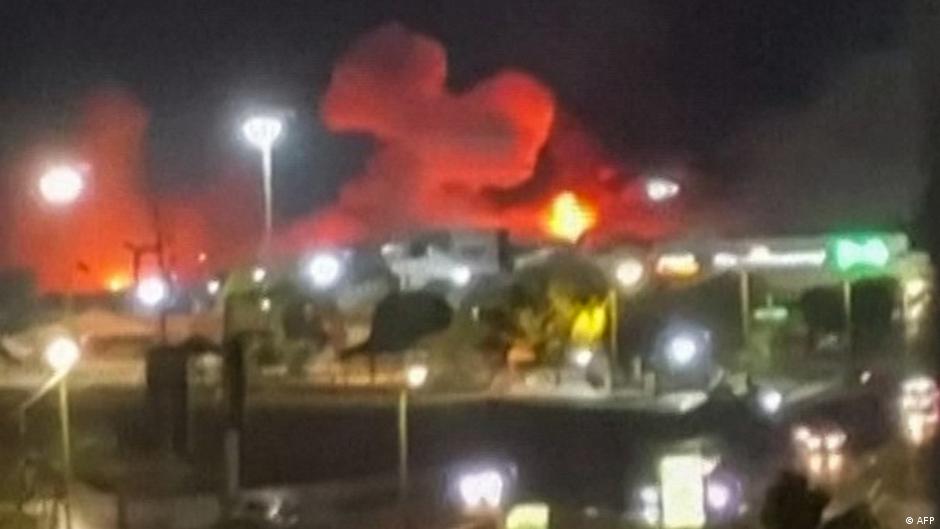
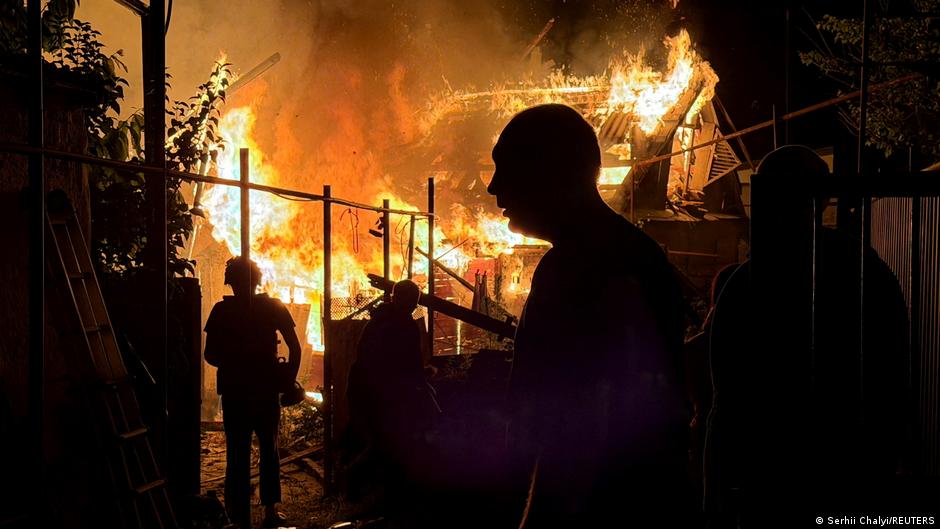
A drone attack on Novorossiysk reportedly caused fires at a fuel oil terminal and residential building, renewing concerns over Russia’s key export hub.

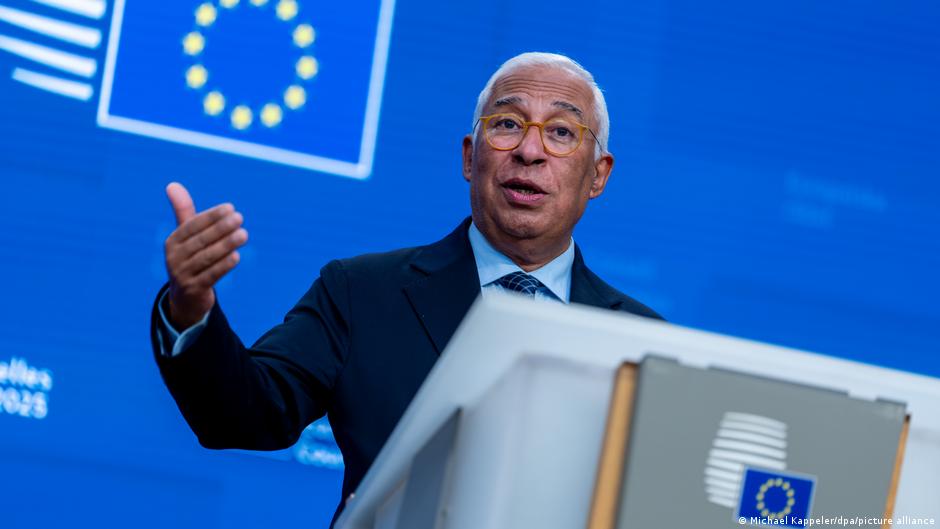
European Council President António Costa reiterates the EU's enduring support for Ukraine, emphasizing sanctions on Russia and Ukraine's future EU integration amid ongoing war and reconstruction.

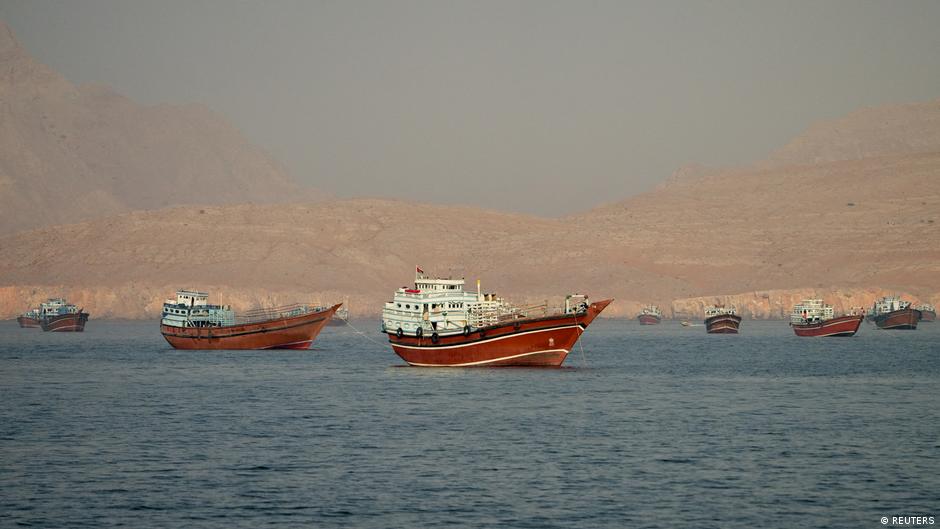
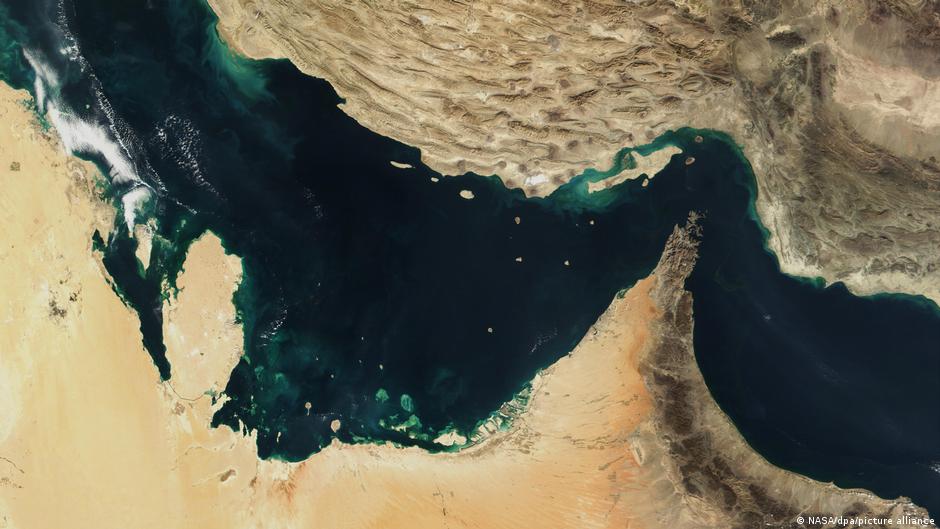
President Trump threatens Oman with bombing if it disrupts US-Iran talks over the Strait of Hormuz, as regional tensions and military actions escalate in the Gulf.

A Ukrainian drone attack on Belgorod injured 13 people and damaged residential buildings near the local FSB office and thermal power plant, raising concerns over critical infrastructure security.

NATO is considering deploying tactical nuclear weapons in Finland, Poland, and Lithuania amid rising security concerns from Russia’s actions in Eastern Europe.

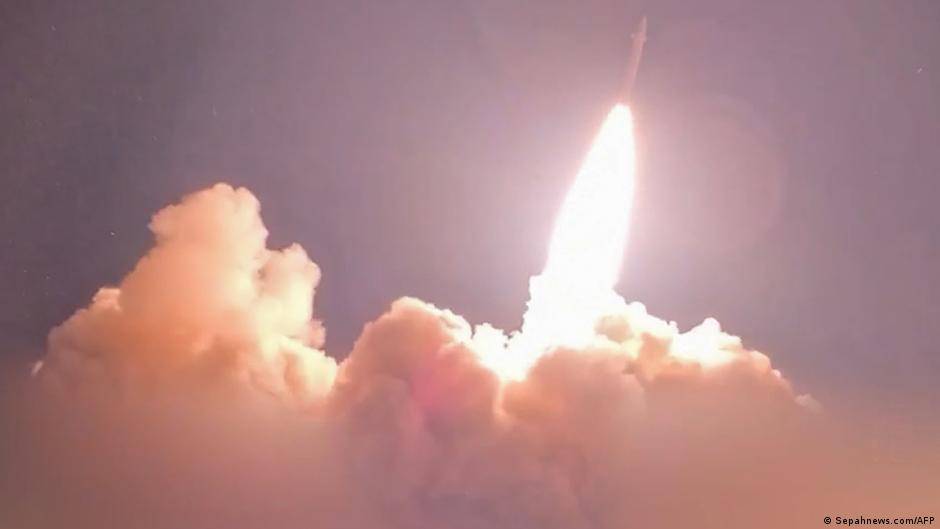
US forces intercepted ballistic missiles launched by Iran targeting Middle East bases, signaling renewed regional tensions amid strategic resource considerations.

The U.S. Senate advances a bipartisan sanctions bill empowering the President to impose steep tariffs on Russia, impacting energy trade and corporate risk strategies.

Ukraine's Zelensky warns Russia plans to expand military mobilization in fall 2026 and may enlist 30,000 North Korean troops, signaling increased conflict intensity and geopolitical risks.

Russia's oil and gas revenues in July may rise 60% year-on-year due to higher global prices, despite ongoing sanctions and a year-to-date revenue decline.

The US military has conducted ten consecutive days of strikes against Iranian targets, escalating tensions in the Persian Gulf as Tehran retaliates with drone and missile attacks.

US forces continue nightly strikes against Iran, with Iranian counterattacks targeting US bases and disrupting critical energy shipping routes in the Strait of Hormuz.

US military strikes on Iranian infrastructure escalate tensions, prompting Iranian retaliation and regional security alerts, with significant implications for global energy markets.

The US is negotiating to restore an Iraq-Syria oil pipeline to bypass the Strait of Hormuz, aiming to reduce Iran's influence and secure alternative energy export routes.

The US has launched strikes against Iran to prevent attacks on civilian shipping in the Strait of Hormuz, escalating tensions with significant business and geopolitical implications.

Iran held a closed funeral for Ayatollah Ali Khamenei amid regional conflict and leadership uncertainty, with his son and successor Mojtaba absent from public view.

The US has launched new military strikes against Iranian targets to limit Tehran's interference with shipping in the Strait of Hormuz, escalating tensions after tanker attacks.

The US military launched strikes on Iranian targets following attacks on tankers in the Strait of Hormuz, alongside renewed sanctions on Iranian oil, escalating tensions and complicating Gulf security.

The US extends NIS's operational license amid delays in MOL’s acquisition of Gazprom’s 56% stake, allowing Serbia’s key oil refinery to continue functioning under sanctions.

The U.S. and Iran agreed to halt attacks until June 30 ahead of talks on restoring navigation through the Strait of Hormuz, a vital energy corridor facing ongoing security challenges.

US forces conducted air strikes on Iranian military infrastructure in response to drone attacks on commercial oil tankers near the Strait of Hormuz, escalating regional tensions.

Russia's aviation fuel imports from Belarus surged nearly fourfold amid domestic refinery disruptions and export bans, prompting strategic shifts in energy supply management.

The US conducted airstrikes on Iranian military sites after Iran attacked a Singapore-flagged cargo ship in the Strait of Hormuz, escalating tensions and impacting global trade routes.

Russia’s maritime oil exports have reached a 2026 peak amid US sanctions shifts and rising competition from Iran, but falling prices and refinery attacks threaten revenue growth.

Russian regions are facing fuel rationing due to Ukrainian drone strikes on oil refineries, with over 50 areas imposing gasoline sales limits amid operational disruptions.

Russian forces struck Zaporizhzhia on June 23, injuring two civilians and damaging homes and infrastructure amid escalating military operations in Ukraine.

The US and Iran agreed to create a communication channel to prevent incidents in the Strait of Hormuz, with a 60-day roadmap to finalize agreements.

The US may impose transit fees for ships passing through the Strait of Hormuz if Iran negotiations fail, linking military strategy with economic policy in a key global trade route.

US intelligence warns Israeli PM Netanyahu may seek to disrupt the US-Iran deal due to security concerns over Hezbollah and domestic election considerations.

US envoy Steven Whitkoff travels to Switzerland for delayed nuclear talks with Iran amid regional conflicts and strategic diplomatic efforts.

The EU has initiated confidential talks with Kremlin officials to prepare for potential peace negotiations in Ukraine, reflecting strategic diplomatic efforts amid ongoing conflict.

Pakistan announces the immediate reopening of the Strait of Hormuz after US and Iran sign a memorandum to end hostilities and lift port blockades.

European leaders back the US-Iran agreement, stressing swift action, nonproliferation, and restoring navigation through the strategic Strait of Hormuz to stabilize markets.

US airstrikes on Iran reignited conflict, prompting Tehran to close the Strait of Hormuz and target US bases, raising global energy and trade concerns.

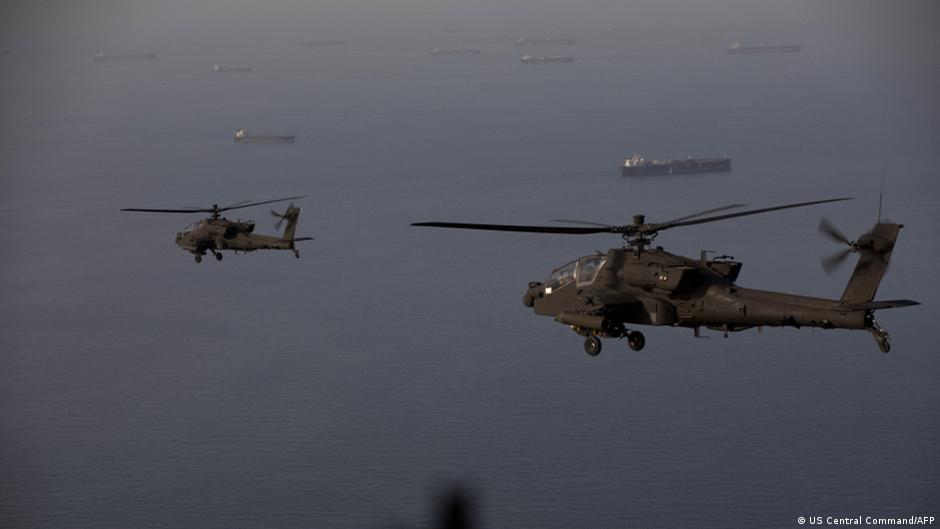
US forces launched targeted strikes on Iranian air defense sites after Tehran downed an Apache helicopter, heightening tensions near the strategic Strait of Hormuz.

US forces shot down four Iranian drones threatening the Strait of Hormuz and struck Iranian radar stations, underscoring escalating regional tensions affecting global energy routes.

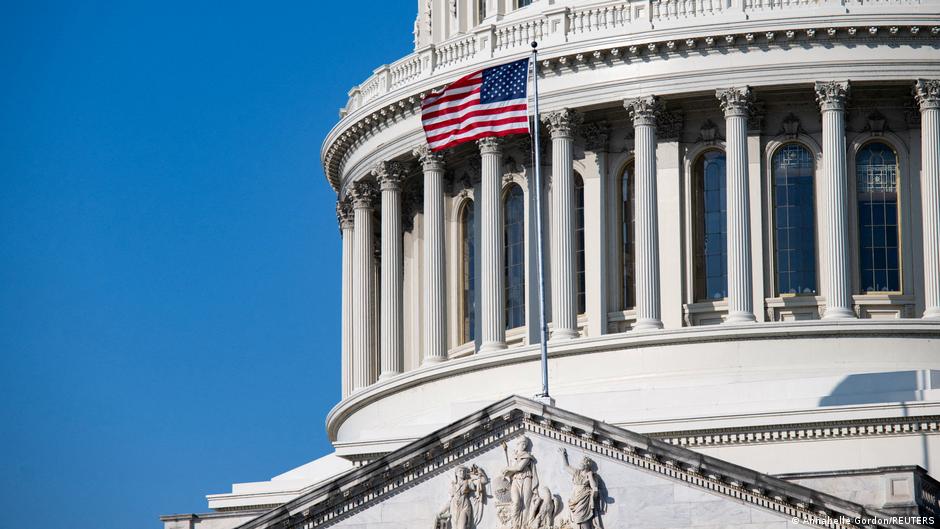
The U.S. House has passed a resolution restricting President Trump’s authority to wage war on Iran without Congress approval, signaling bipartisan congressional oversight amid ongoing conflict.

Russian forces launched intensified missile and drone strikes on Kyiv, including potential use of the 'Oreshnik' ballistic missile, escalating military pressure on Ukraine's capital.

The UK has issued an indefinite license permitting imports of diesel and kerosene derived from Russian oil via third countries, signaling a strategic shift amid global energy challenges.