Houthi Capture of Mocha Raises Boardroom Risks Around Red Sea Oil Routes
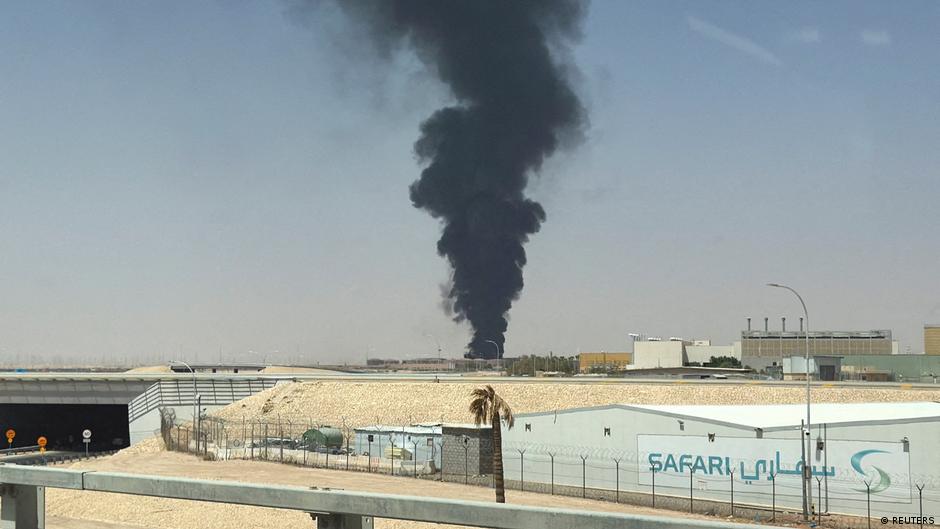
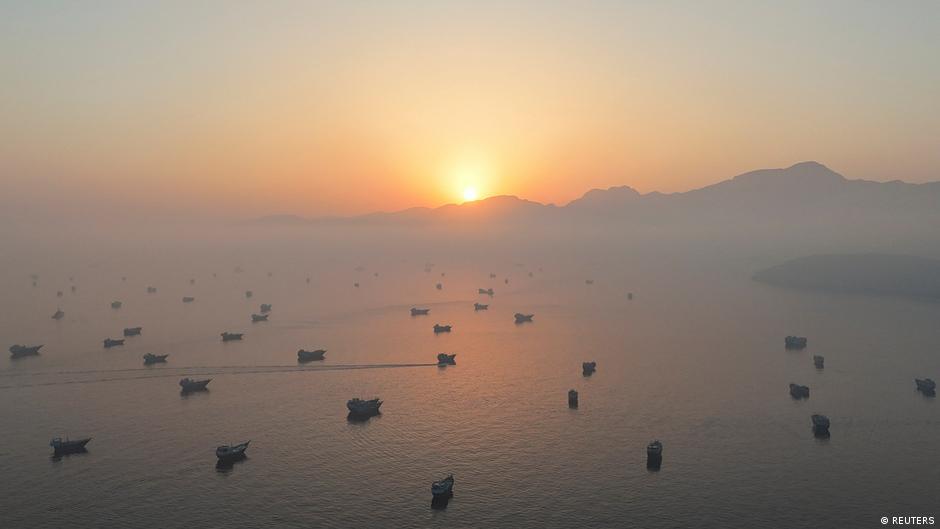
Houthi control of Mocha heightens risks around Bab el-Mandeb, a Red Sea route central to oil supply, shipping decisions and U.S. Iran strategy.

Houthi control of Mocha heightens risks around Bab el-Mandeb, a Red Sea route central to oil supply, shipping decisions and U.S. Iran strategy.

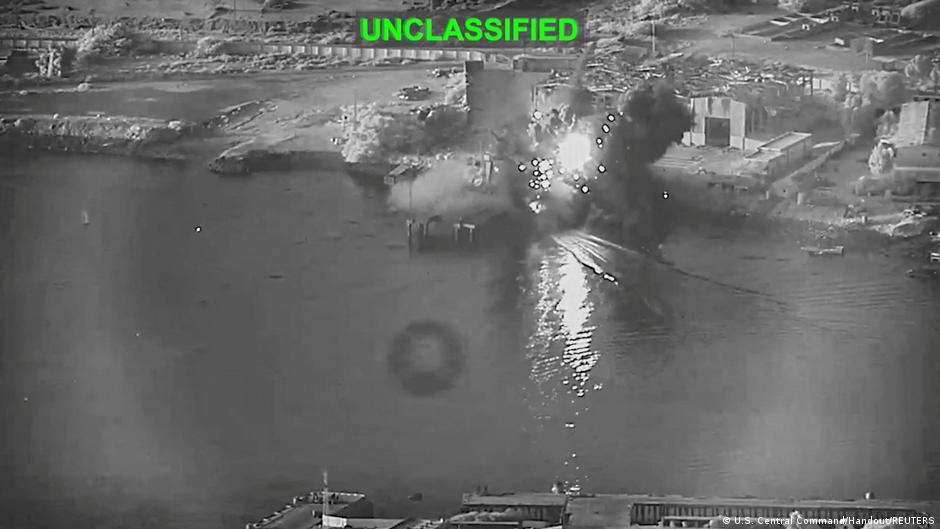
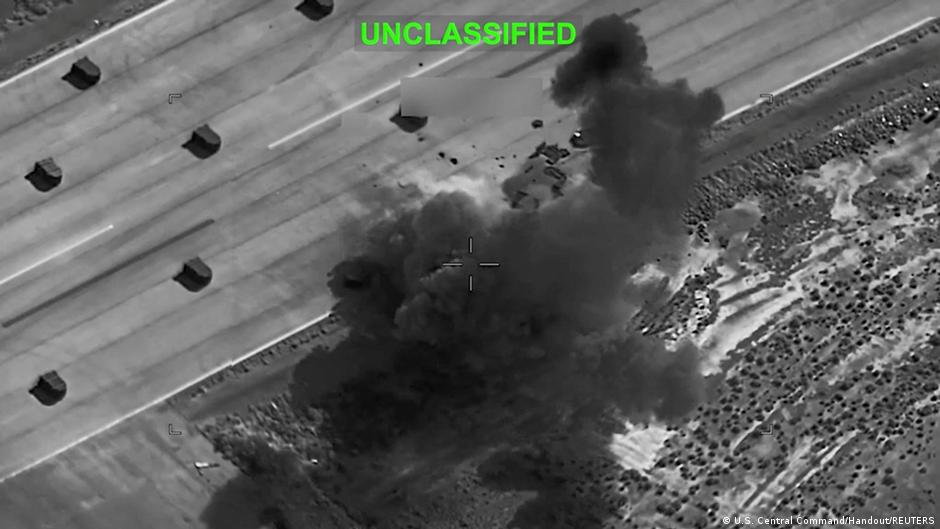
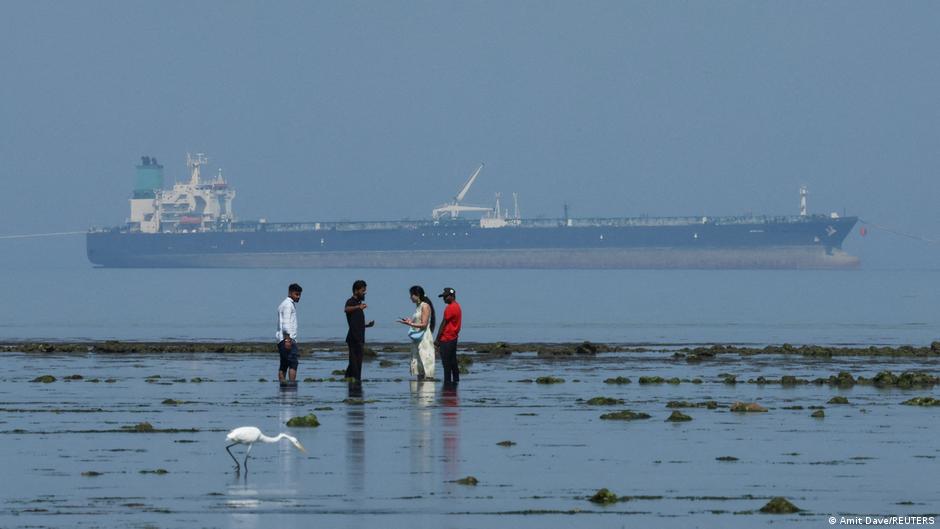
CENTCOM said U.S. forces destroyed five Iranian oil tankers after ballistic missile attacks on a Navy ship, escalating risks around Hormuz.

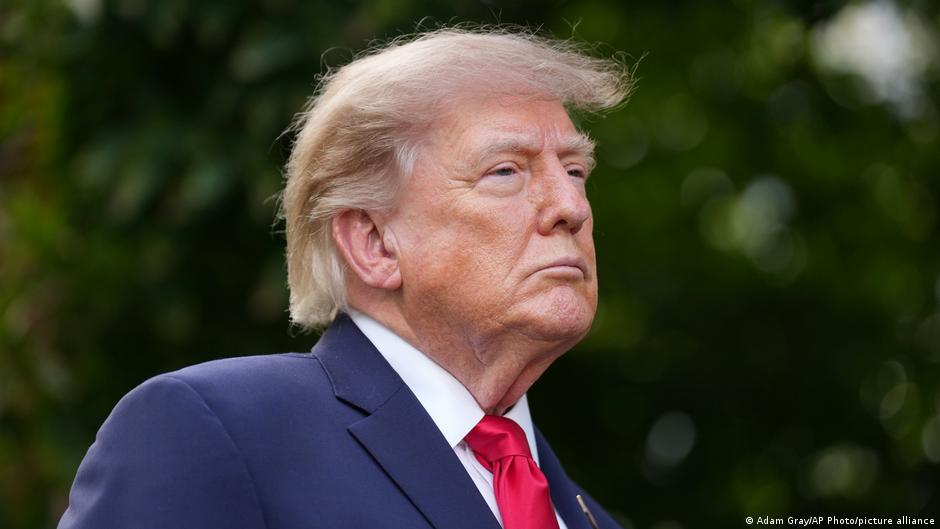
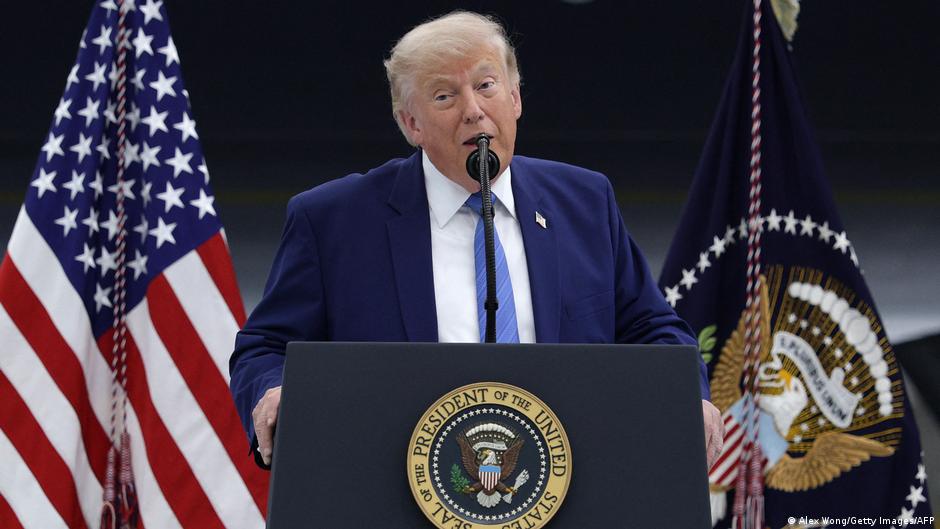
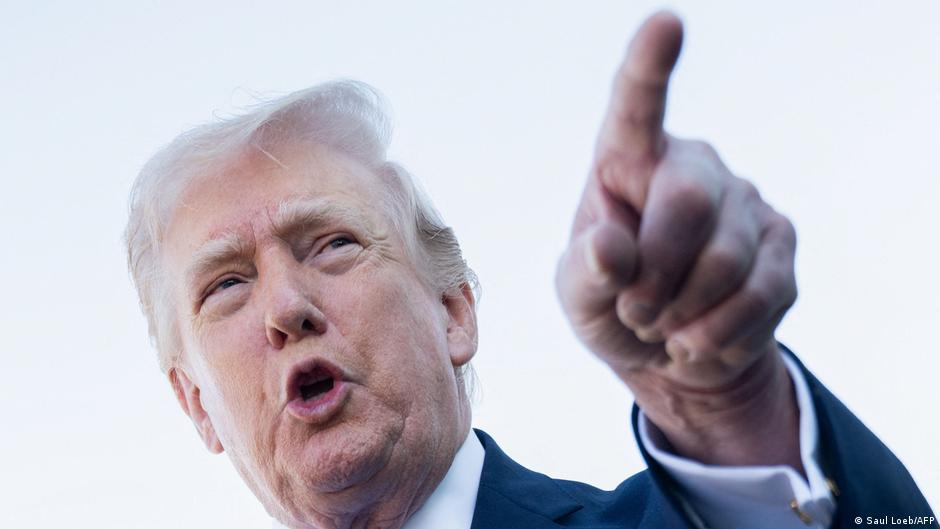
President Trump threatens Oman with bombing if it disrupts US-Iran talks over the Strait of Hormuz, as regional tensions and military actions escalate in the Gulf.
Qatar denies detaining Iranian pilots after airspace violations, amid conflicting Iranian claims and ongoing Middle East tensions.
President Trump plans to declare the Strait of Hormuz U.S. territory, signaling indefinite military deployment amid ongoing U.S.-Iran tensions over the strategic waterway.

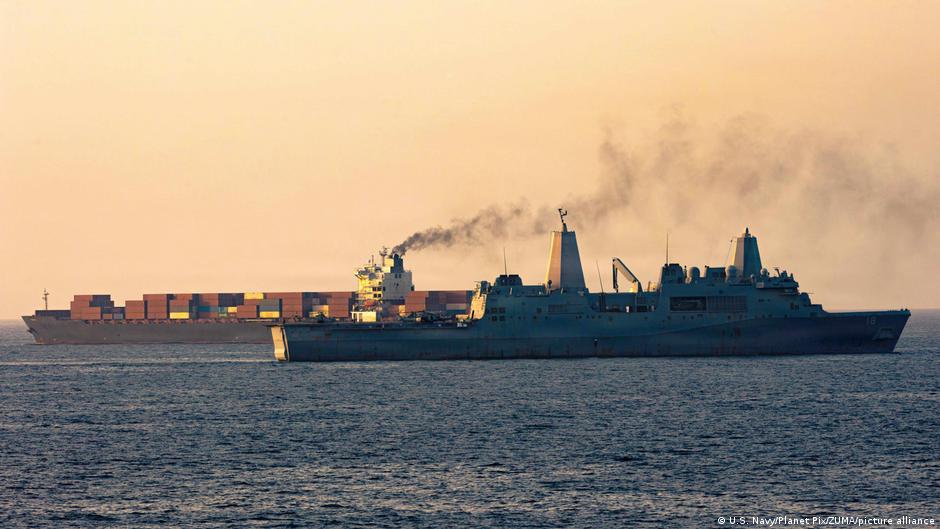
US forces disabled the steering of a Panamanian-flagged container ship attempting to breach Iran's blockade, reinforcing US control over the Strait of Hormuz amid rising tensions.

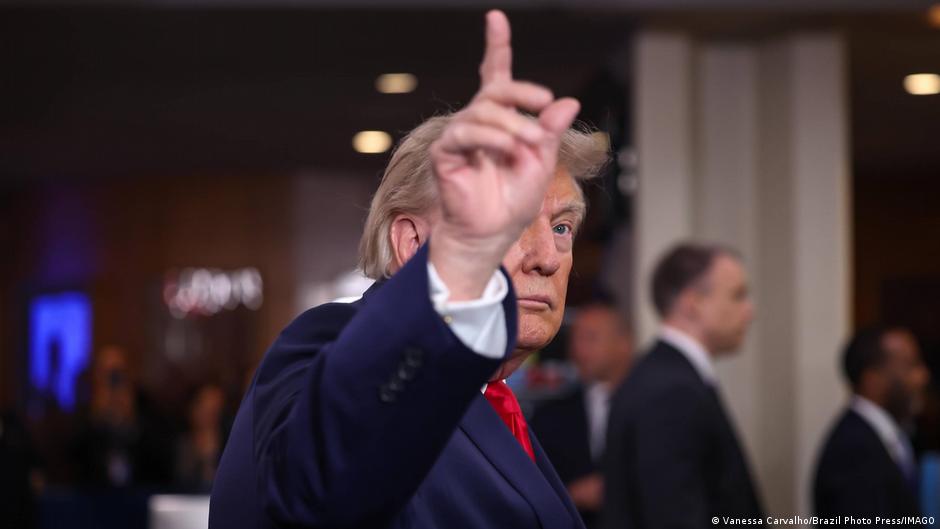
President Trump announces new U.S.-Iran negotiations starting August 3, postponing military strikes to focus on diplomatic solutions amid ongoing tensions.

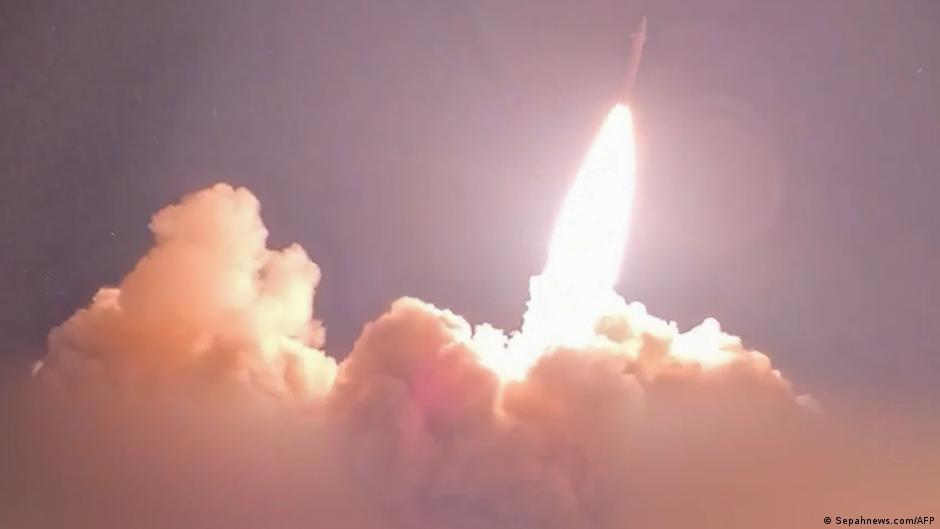
US forces intercepted ballistic missiles launched by Iran targeting Middle East bases, signaling renewed regional tensions amid strategic resource considerations.

Iran’s Revolutionary Guards attack a Greek-owned oil tanker in the Strait of Hormuz, signaling increased maritime risks and strategic shifts affecting global oil transport.

The US military has conducted its 11th consecutive night of strikes on Iranian military targets to curb threats to commercial shipping in the Strait of Hormuz amid escalating hostilities.

The US military has conducted ten consecutive days of strikes against Iranian targets, escalating tensions in the Persian Gulf as Tehran retaliates with drone and missile attacks.

US military casualties in the Iran conflict have risen to 17, with recent fatalities occurring during explosive ordnance disposal in Iraq amid escalating retaliatory strikes.

US forces continue nightly strikes against Iran, with Iranian counterattacks targeting US bases and disrupting critical energy shipping routes in the Strait of Hormuz.

US military strikes on Iranian infrastructure escalate tensions, prompting Iranian retaliation and regional security alerts, with significant implications for global energy markets.

US military launches targeted strikes on Iranian ports and infrastructure, prompting retaliatory attacks on American bases and signaling a complex strategic standoff in the Persian Gulf.

The US is negotiating to restore an Iraq-Syria oil pipeline to bypass the Strait of Hormuz, aiming to reduce Iran's influence and secure alternative energy export routes.

The US has launched strikes against Iran to prevent attacks on civilian shipping in the Strait of Hormuz, escalating tensions with significant business and geopolitical implications.

The US launched a third wave of strikes on Iran after the IRGC attacked a civilian container ship in the Strait of Hormuz, leading to the strategic waterway's closure and escalating regional tensions.

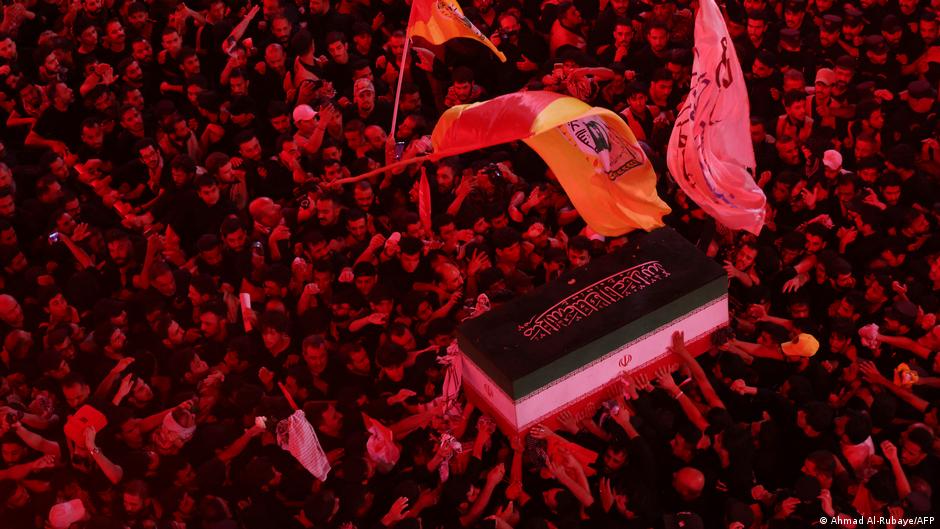
Iran held a closed funeral for Ayatollah Ali Khamenei amid regional conflict and leadership uncertainty, with his son and successor Mojtaba absent from public view.

The US has launched new military strikes against Iranian targets to limit Tehran's interference with shipping in the Strait of Hormuz, escalating tensions after tanker attacks.

The US military launched strikes on Iranian targets following attacks on tankers in the Strait of Hormuz, alongside renewed sanctions on Iranian oil, escalating tensions and complicating Gulf security.

The U.S. and Iran agreed to halt attacks until June 30 ahead of talks on restoring navigation through the Strait of Hormuz, a vital energy corridor facing ongoing security challenges.

US forces conducted air strikes on Iranian military infrastructure in response to drone attacks on commercial oil tankers near the Strait of Hormuz, escalating regional tensions.

The US conducted airstrikes on Iranian military sites after Iran attacked a Singapore-flagged cargo ship in the Strait of Hormuz, escalating tensions and impacting global trade routes.

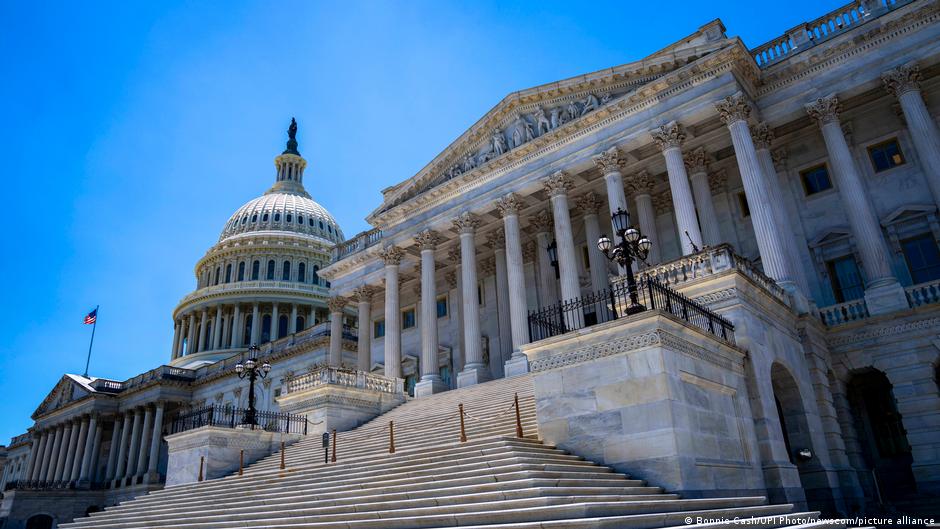
The U.S. Senate passed a resolution urging withdrawal of troops from conflict zones involving Iran, signaling bipartisan concern over ongoing hostilities and highlighting congressional oversight in foreign policy.

Russia’s maritime oil exports have reached a 2026 peak amid US sanctions shifts and rising competition from Iran, but falling prices and refinery attacks threaten revenue growth.

The US and Iran agreed to create a communication channel to prevent incidents in the Strait of Hormuz, with a 60-day roadmap to finalize agreements.

The US may impose transit fees for ships passing through the Strait of Hormuz if Iran negotiations fail, linking military strategy with economic policy in a key global trade route.

The US lifts its naval blockade of the Strait of Hormuz, reopening a vital oil passage and setting a 60-day negotiation period aimed at a broader peace deal with Iran.

Pakistan announces the immediate reopening of the Strait of Hormuz after US and Iran sign a memorandum to end hostilities and lift port blockades.

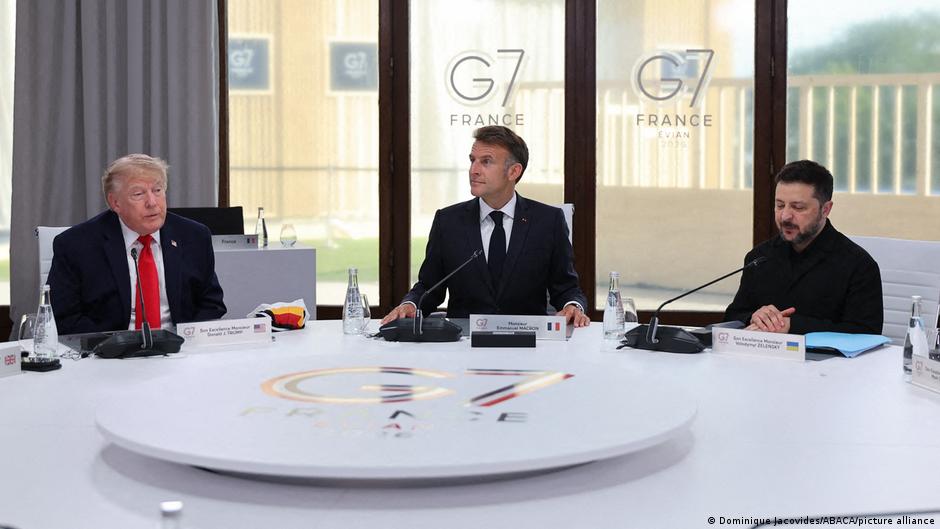
G7 leaders commit to new sanctions on Russian energy and expand military aid to Ukraine, aiming to intensify economic pressure and support Ukraine's defense capabilities.

European leaders back the US-Iran agreement, stressing swift action, nonproliferation, and restoring navigation through the strategic Strait of Hormuz to stabilize markets.

Intelligence reports reveal Iran restored much of its missile arsenal during a ceasefire, potentially with recent Russian missile deliveries, complicating U.S. strategic decisions.

The UAE reportedly unblocked billions in Iranian assets to halt missile attacks, though the Foreign Ministry denies it. This move coincides with nearing US-Iran peace talks.

President Trump halted planned airstrikes on Iran amid promising negotiations, signaling a potential multinational nuclear agreement with significant regional and business implications.

US airstrikes on Iran reignited conflict, prompting Tehran to close the Strait of Hormuz and target US bases, raising global energy and trade concerns.

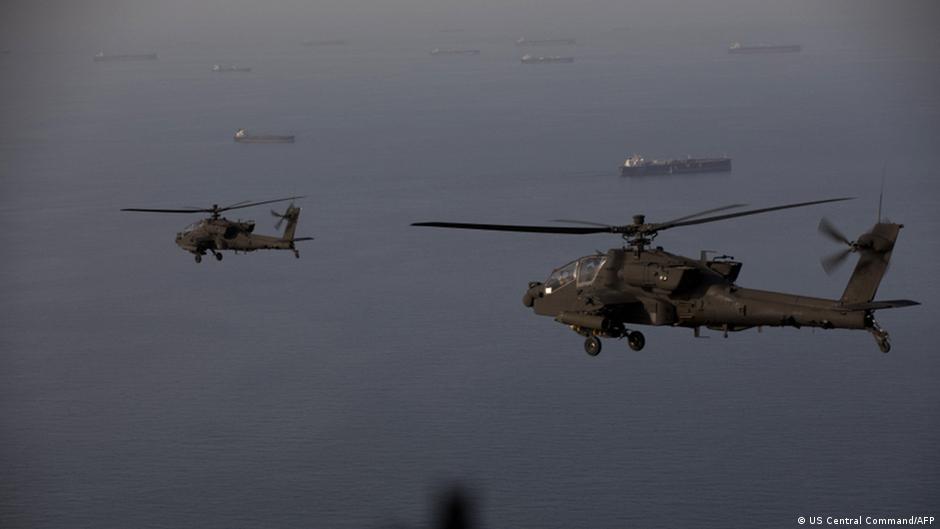
US forces launched targeted strikes on Iranian air defense sites after Tehran downed an Apache helicopter, heightening tensions near the strategic Strait of Hormuz.

US forces shot down four Iranian drones threatening the Strait of Hormuz and struck Iranian radar stations, underscoring escalating regional tensions affecting global energy routes.

The U.S. House has passed a resolution restricting President Trump’s authority to wage war on Iran without Congress approval, signaling bipartisan congressional oversight amid ongoing conflict.

CENTCOM covertly aided around 70 commercial ships through the Iran-blockaded Strait of Hormuz, balancing maritime commerce flow with regional security risks amid ongoing U.S.-Iran tensions.

The U.S. disabled a Gambian-flagged ship en route to Iran amid intense enforcement of the Strait of Hormuz blockade, highlighting rising risks for maritime and defense sectors.

The UK has issued an indefinite license permitting imports of diesel and kerosene derived from Russian oil via third countries, signaling a strategic shift amid global energy challenges.

President Trump delayed a planned military strike on Iran following diplomatic appeals from Gulf leaders and ongoing negotiations aiming for a nuclear agreement.

Donald Trump reveals China’s renewed interest in buying U.S. oil and soybeans, hinting at shifting trade dynamics and potential influence on Iran amid recent talks with Xi Jinping.

US President Donald Trump and Chinese President Xi Jinping held a ceremonial meeting in Beijing to discuss Iran, Taiwan, and trade relations, signaling efforts to strengthen bilateral ties.

US intelligence reveals Iran retains about 70% of its missile capabilities, challenging official claims of Tehran's military defeat and raising strategic and logistical concerns for US defense.

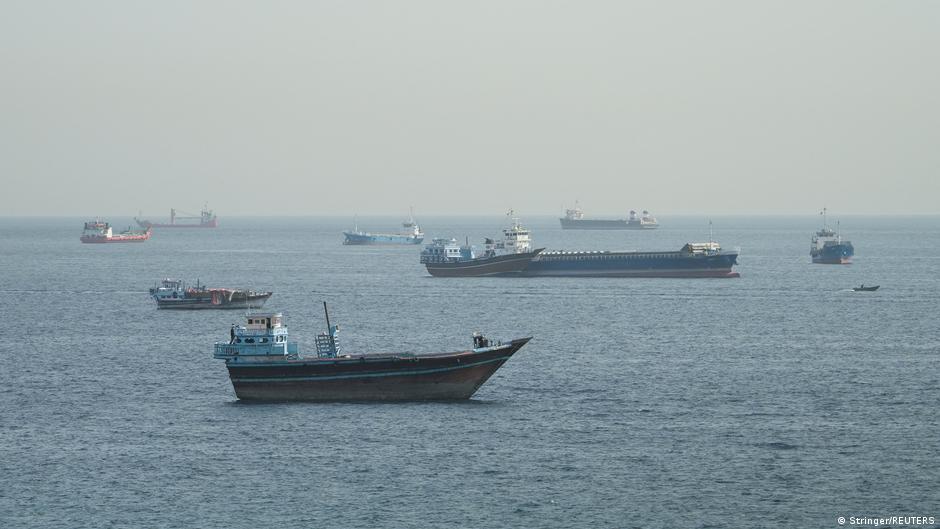
Iran mandates detailed vessel information declaration for tankers passing through the Strait of Hormuz amid escalating US-Iran tensions and potential transit fees.

President Trump announces promising US-Iran negotiations with potential nuclear agreement; businesses should monitor evolving sanctions and geopolitical risks.

Global oil stocks fell by a record 200 million barrels in April despite declining demand, driven by Middle East conflicts and supply disruptions, signaling rising prices ahead.

Iran launched a significant missile and drone attack on UAE targets, breaking a month-long ceasefire and prompting strong international condemnation and strategic reassessments.